UPS Deploys AI-Powered Sorting Robots Across 12 Hubs as Teamsters Demand Automation Transparency Clause
The machines are already here — and they’re sorting packages 40% faster than before.
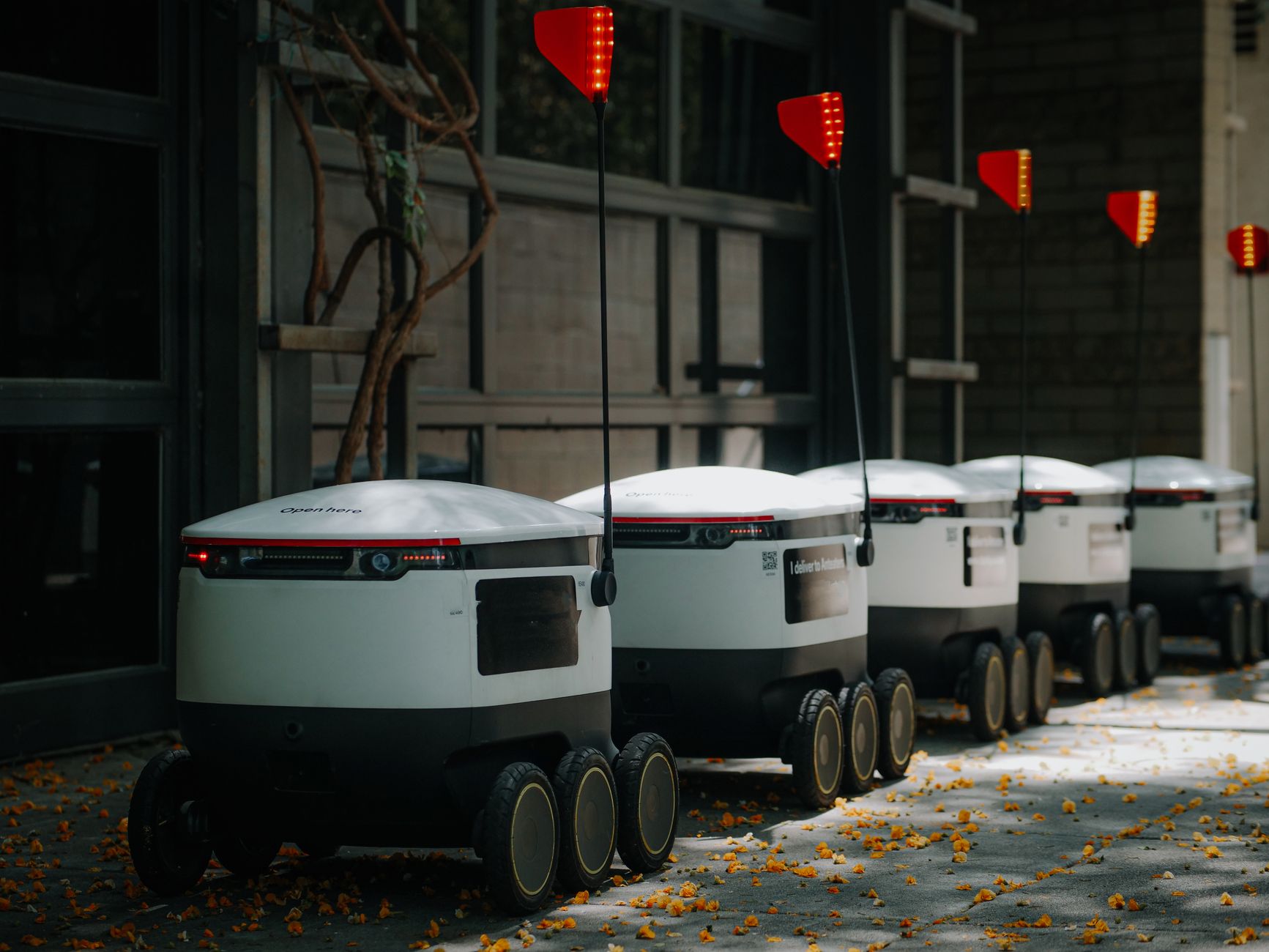
UPS has quietly expanded its AI-powered robotic sorting systems to 12 additional distribution hubs, accelerating package processing while the Teamsters union moves to secure contractual protections for the 340,000 members whose livelihoods are directly affected. The deployment integrates advanced sorting robotics with UPS’s existing ORION AI routing infrastructure, marking one of the largest automation expansions in U.S. logistics history — and it proceeded without the advance notice the union now says must be mandatory.
The Teamsters are responding with a concrete demand: a contractual “automation impact disclosure” clause requiring UPS to provide 90 days’ notice before deploying any AI or robotic system that could affect union jobs. If adopted, the proposal would fundamentally reshape how one of America’s largest employers approaches technological change — and could set a precedent across the broader logistics sector.
The Automation Expansion UPS Didn’t Announce
UPS has operated its ORION routing optimization system for years, using AI algorithms to plan delivery routes and reduce fuel costs. The recent expansion goes further, deploying physical robotic sorting systems capable of handling package volumes that previously required teams of workers across multiple shifts.
A 40% increase in processing speed per shift represents a significant operational advantage in an industry where margins depend on throughput efficiency. For UPS, faster sorting means more packages processed with potentially fewer labor hours — a compelling business case that explains why the company moved forward across a dozen facilities simultaneously.
What UPS did not do was telegraph those plans to its unionized workforce in advance. That omission has become the central flashpoint in the Teamsters’ current contract demands.
The 90-Day Disclosure Demand
The Teamsters’ proposed automation disclosure clause would require UPS to notify the union 90 days before implementing any AI sorting robots, algorithmic management systems, or other automation technologies that could eliminate positions, reduce hours, or fundamentally alter job classifications covered under the labor contract.
The proposal goes beyond simple notification. It would establish a structured framework for impact assessment and negotiation, giving the union time to analyze workforce effects, propose alternatives, and bargain over implementation terms before any system goes live.
For the 340,000 Teamsters members working under the current UPS contract, the stakes are immediate. Sorting and package-handling positions represent a substantial share of union jobs at the company. Technologies that increase processing speed by 40% inevitably raise questions about future staffing levels — even when current positions remain intact during initial deployment phases.
Why Automation Transparency Matters
The push for advance disclosure reflects a broader shift in how unions approach technological change. Rather than opposing automation outright, labor advocates are increasingly focused on process transparency and worker transition support.
A 90-day window would serve several critical functions: retraining programs could be designed for affected workers, contract language could be negotiated to protect seniority rights, and the union could assess whether a proposed deployment conflicts with existing job security provisions.
Without such requirements, companies can reshape the workforce before unions have any meaningful opportunity to respond. The UPS expansion to 12 hubs illustrates this dynamic precisely — the technology arrived, processing speeds increased, and only afterward did contract negotiations begin to address the implications.
The Logistics Industry Context
The UPS expansion and the Teamsters’ response are unfolding against significant industry-wide pressure. Logistics companies face mounting demands to increase efficiency while managing labor costs that represent their largest operational expense.
Competitors have invested heavily in automation. The race to deploy AI sorting systems and algorithmic routing reflects broad recognition that technological advantage translates directly to market position — companies that process more packages per labor hour gain pricing flexibility and the capacity to absorb volume spikes during peak seasons.
That competitive pressure complicates the Teamsters’ negotiating position. Disclosure requirements that slow UPS’s ability to deploy new systems could place the company at a disadvantage against rivals operating without similar constraints.
Yet the union’s proposal does not prohibit automation — it requires transparency. That distinction matters both for labor advocates seeking to avoid anti-technology characterizations and for logistics industry observers assessing whether disclosure frameworks could become standard practice across the sector.
Contract Negotiations and Industry Precedent
The current UPS labor negotiations carry weight well beyond a single company. Teamsters representation at UPS makes it one of the largest unionized private-sector employers in the United States, and contract terms established here routinely influence negotiations across logistics and transportation.
An automation disclosure clause in the UPS contract would likely prompt similar demands at other unionized logistics companies. It could also shape legislative approaches to AI and automation regulation, offering a private-sector model for transparency requirements that policy watchers and labor advocates have debated at both state and federal levels.
For UPS employees, the outcome determines whether they learn about workplace automation 90 days before deployment or 90 days after — a difference that fundamentally affects their ability to prepare for and influence technological change.
The Collision of Efficiency and Accountability
The expansion of AI-powered sorting systems to 12 UPS hubs has already occurred. The 40% processing speed gains are already being realized. The question now is whether future deployments will follow a different process — one that includes the workforce in advance rather than presenting automation as a fait accompli.
The Teamsters’ automation impact disclosure demand is an attempt to build transparency into the technological transformation of logistics work. Whether that demand succeeds will signal how much influence organized labor retains in shaping the terms of automation within an industry accelerating toward algorithmic efficiency.
For 340,000 workers, the answer is not abstract. It is the difference between having a voice in how AI reshapes their jobs — and simply watching it happen.
Send free SMS worldwide
Reach any mobile number in 200+ countries from your browser. No signup, no app.
Send a free SMS →