TikTok’s Algorithm Now Penalizes Creators Who Cross-Post from Instagram — And the Numbers Prove It
Your TikTok views didn’t fall off because your content got worse. They may have fallen off because your content came from somewhere else first.
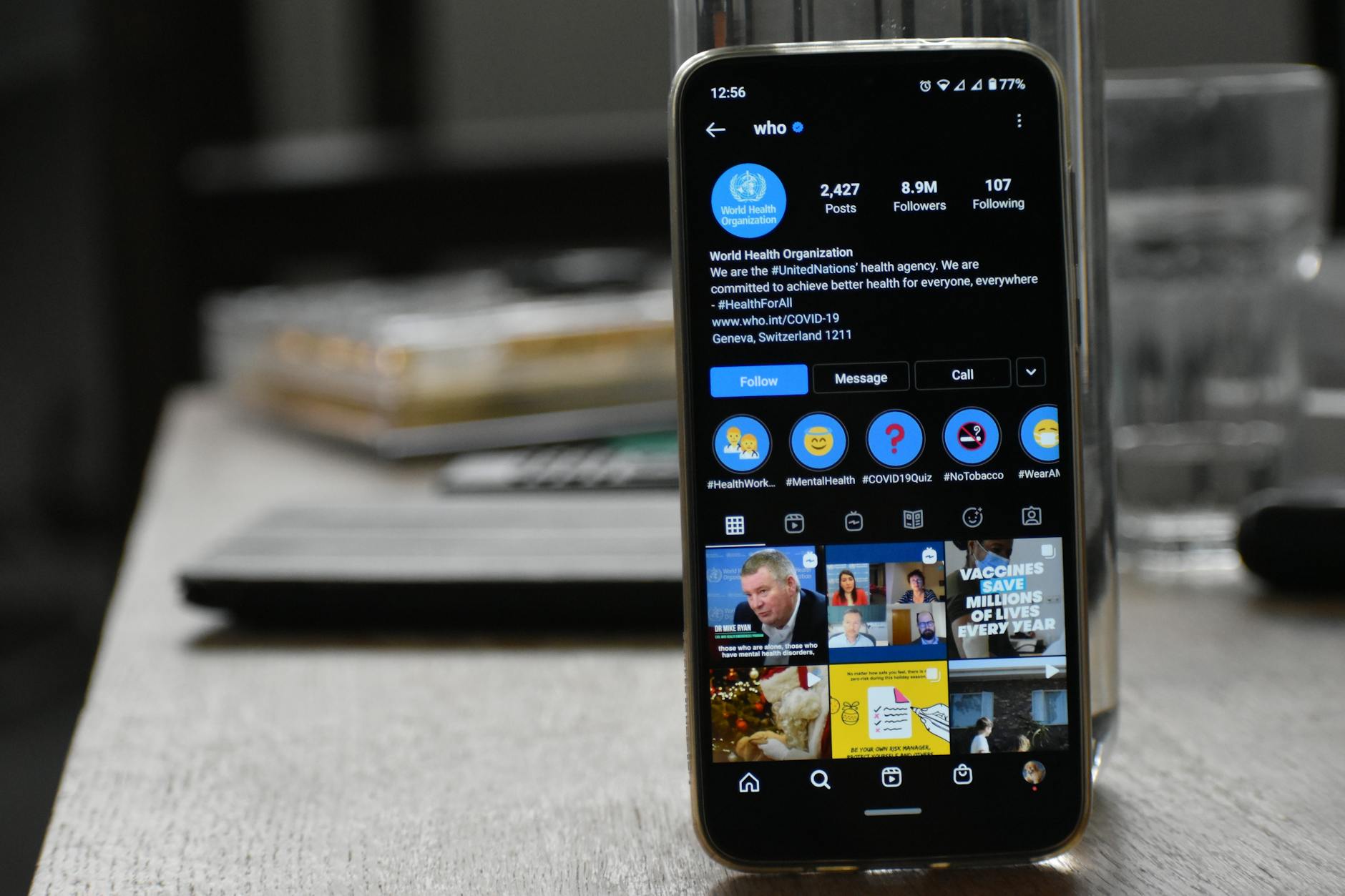
A circulating audit of more than 500 creator accounts points to a troubling pattern: videos identified as cross-posted from Instagram Reels are receiving dramatically fewer impressions on TikTok than original content from the same accounts. The preliminary data suggests a 40–60% reduction in reach for affected videos — a gap large enough to reshape how creators think about multi-platform distribution.
The platform war between TikTok and Instagram is no longer being fought in press releases or feature announcements. It is being fought inside the recommendation engine, one suppressed video at a time.
—
What the Audit Found
The analysis, which has been circulating among creator economy researchers and social media strategists, examined accounts across follower tiers — from micro-creators with under 50,000 followers to mid-size accounts approaching one million. Across the sample, videos flagged as cross-posted from Instagram Reels consistently underperformed native TikTok uploads from the same creators, often by a margin of 40–60% in total impressions during the critical first 48-hour distribution window.
It is worth being precise about what this data is and is not. The audit is preliminary, has not undergone independent peer review, and its full methodology has not been publicly released. The sample size, while substantial, may not be representative across all content categories, geographic markets, or account ages. Researchers and platform economy analysts reviewing the findings have urged caution before treating the numbers as definitive.
What the data does establish is a pattern significant enough to warrant serious scrutiny — and one that aligns with behaviors TikTok has previously acknowledged.
—
How TikTok Detects Cross-Posted Content
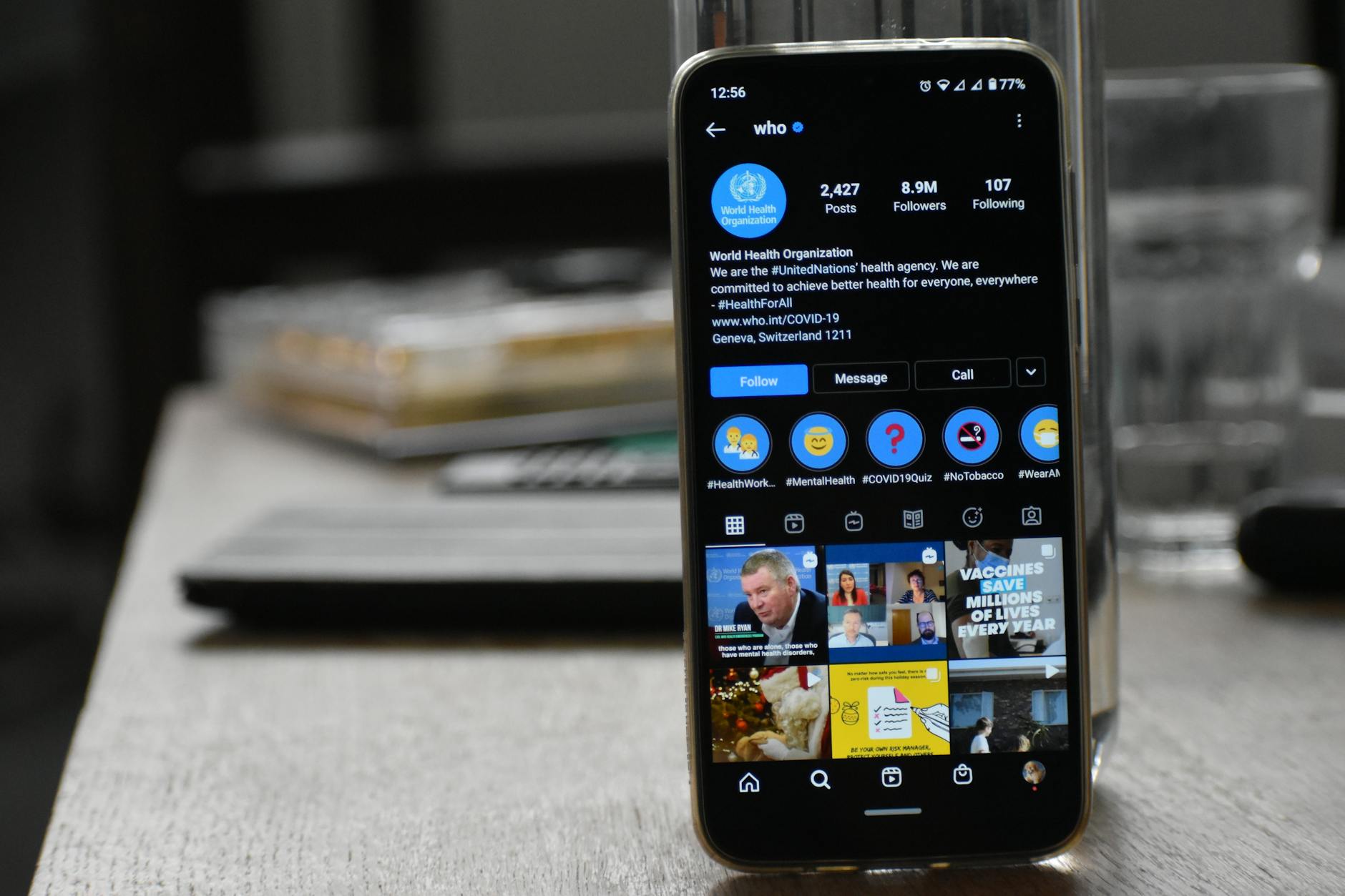
TikTok has publicly confirmed, on more than one occasion, that its algorithm deprioritizes videos carrying visible watermarks from competing platforms — a policy the company framed as a quality-of-experience measure. The stated rationale was straightforward: watermarked content signals recycled material and degrades the native feel of the feed.
But the audit’s findings suggest the detection mechanism may extend well beyond visible watermarks. Researchers involved in reviewing the data believe TikTok’s system may be identifying cross-posted content through metadata signatures and audio fingerprinting — technical traces embedded in files that survive even when a creator manually removes a watermark before uploading. If accurate, this would mean TikTok’s algorithm is capable of flagging Instagram Reels content regardless of how carefully a creator attempts to clean the file.
Neither TikTok nor Meta has commented on the specific claims in the audit. The fingerprinting hypothesis remains unconfirmed and should be treated as a working theory rather than established fact.
—
The Reach Implications for Creators Are Significant
For creators who built their workflow around efficient cross-posting — publish once, distribute everywhere — a systematic penalty of this magnitude is not a minor inconvenience. It is a structural threat to reach and, by extension, to revenue.
The impact is particularly acute for mid-tier creators, whose brand partnership valuations are directly tied to consistent impression volumes. A 40–60% suppression in platform reach, sustained across multiple posts, is the kind of performance degradation that shows up in media kit metrics, influences renewal rates on creator deals, and erodes algorithmic momentum that can take months to rebuild.
Social media managers running multi-brand accounts face a parallel problem. Workflows designed around content efficiency now carry a measurable suppression risk on TikTok that must be factored into any distribution strategy.
For platform economy researchers, the audit raises a methodologically important question worth pursuing with larger, independently verified datasets: to what extent are recommendation algorithms being used as competitive policy instruments, and how consistently is that suppression applied across content categories, account sizes, and regional markets?
—
What Creators and Strategists Should Do Now
The practical response to this pattern requires rethinking the economics of cross-posting — not necessarily abandoning it.
**Audit your own data first.** Before restructuring any workflow, pull impression and reach analytics for your last 30 to 60 days of TikTok posts and segment them by origin — native uploads versus repurposed content. If a suppression pattern exists in your account, it will likely be visible in the first-48-hour window data.
**Treat TikTok as a native-first platform.** For content where TikTok reach is a priority, shoot and edit natively, or export from a neutral editing environment rather than directly from Instagram. Avoid file transfers that preserve Instagram metadata.
**Sequence your distribution deliberately.** If you intend to publish the same content on both platforms, consider publishing the TikTok version first from a clean file, then adapting for Instagram Reels separately. The goal is to ensure TikTok receives a file with no detectable origin signature from a competing platform.
**Document the pattern publicly.** The audit’s influence depends on creators and researchers contributing their own account-level data. Transparent, aggregated reporting is the mechanism most likely to compel a formal platform response.
—
The Algorithm Is the Policy
What makes this situation structurally significant is not the technical detail of how detection works. It is what the behavior reveals about how platforms exercise power.
TikTok has never announced a formal policy penalizing Instagram Reels cross-posts beyond its watermark guidance. If the audit’s findings hold under further scrutiny, the platform would be enforcing a competitive preference through its recommendation engine — one that is invisible to creators, absent from policy documentation, and nearly impossible to appeal. Other major platforms have introduced their own forms of algorithmic friction around cross-platform content, suggesting this is becoming an industry-wide competitive dynamic rather than an isolated TikTok decision.
That is the more consequential story here. The 40–60% figure is striking. But the deeper issue is that platform suppression of this kind operates without disclosure, without recourse, and without the accountability that a published policy would at least nominally provide.
The algorithm is the policy. And right now, creators are the last to know.
Send free SMS worldwide
Reach any mobile number in 200+ countries from your browser. No signup, no app.
Send a free SMS →