OpenAI’s New Memory Architecture Lets ChatGPT Remember Everything — And That’s Raising Serious Privacy Alarms
Your AI assistant now remembers your children’s names, your medical conditions, your work projects, and your political views — indefinitely. OpenAI’s expanded persistent memory feature transforms ChatGPT from a stateless chatbot into a continuously learning companion that builds a detailed profile of each user across unlimited conversations. While the company touts hyper-personalized responses as the headline benefit, cybersecurity experts and privacy advocates are raising alarms about what they describe as a high-value data honeypot — one with unclear deletion guarantees and murky retention policies.
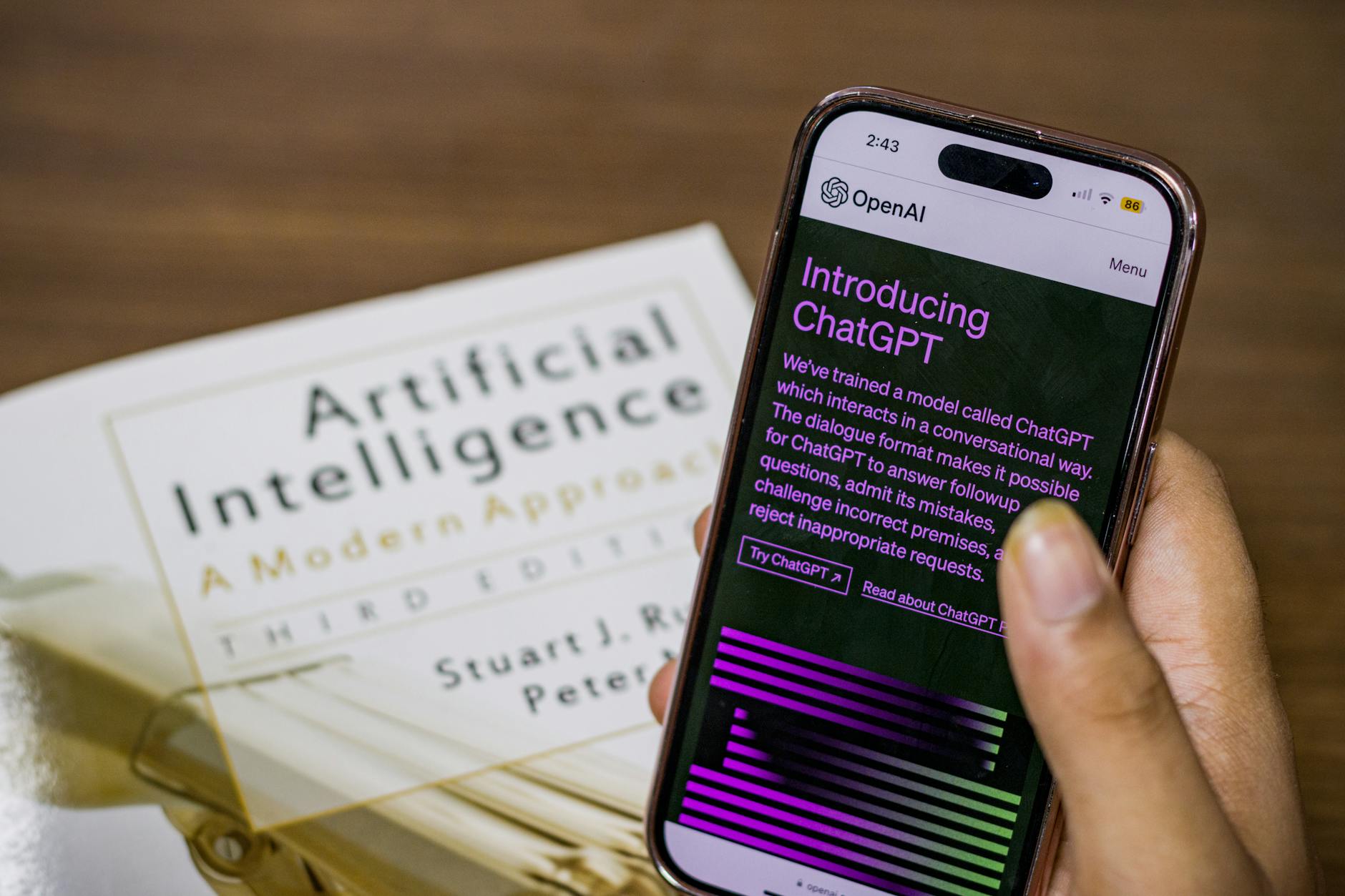
How ChatGPT Memory Actually Works
OpenAI’s persistent memory system operates fundamentally differently from traditional session-based chatbots. Rather than discarding context when a conversation ends, ChatGPT now continuously extracts and stores key details — personal preferences, professional context, family information, health details, and behavioral patterns — in a backend profile tied to each user account.
According to OpenAI’s documentation, the feature works automatically in the background. The system identifies information it deems relevant and adds it to a user’s persistent profile without requiring explicit commands. Users can view some of what has been stored through a dedicated memory management interface, but the full scope of what the AI retains, and how that data is structured internally, remains opaque.
The feature enables genuinely useful personalization. ChatGPT can remember that you are a Python developer working in healthcare, that you prefer concise answers, or that you are planning a trip to Japan in June. But that convenience carries a significant tradeoff: every sensitive detail you have ever shared now resides in OpenAI’s infrastructure indefinitely.
The Privacy Honeypot Problem
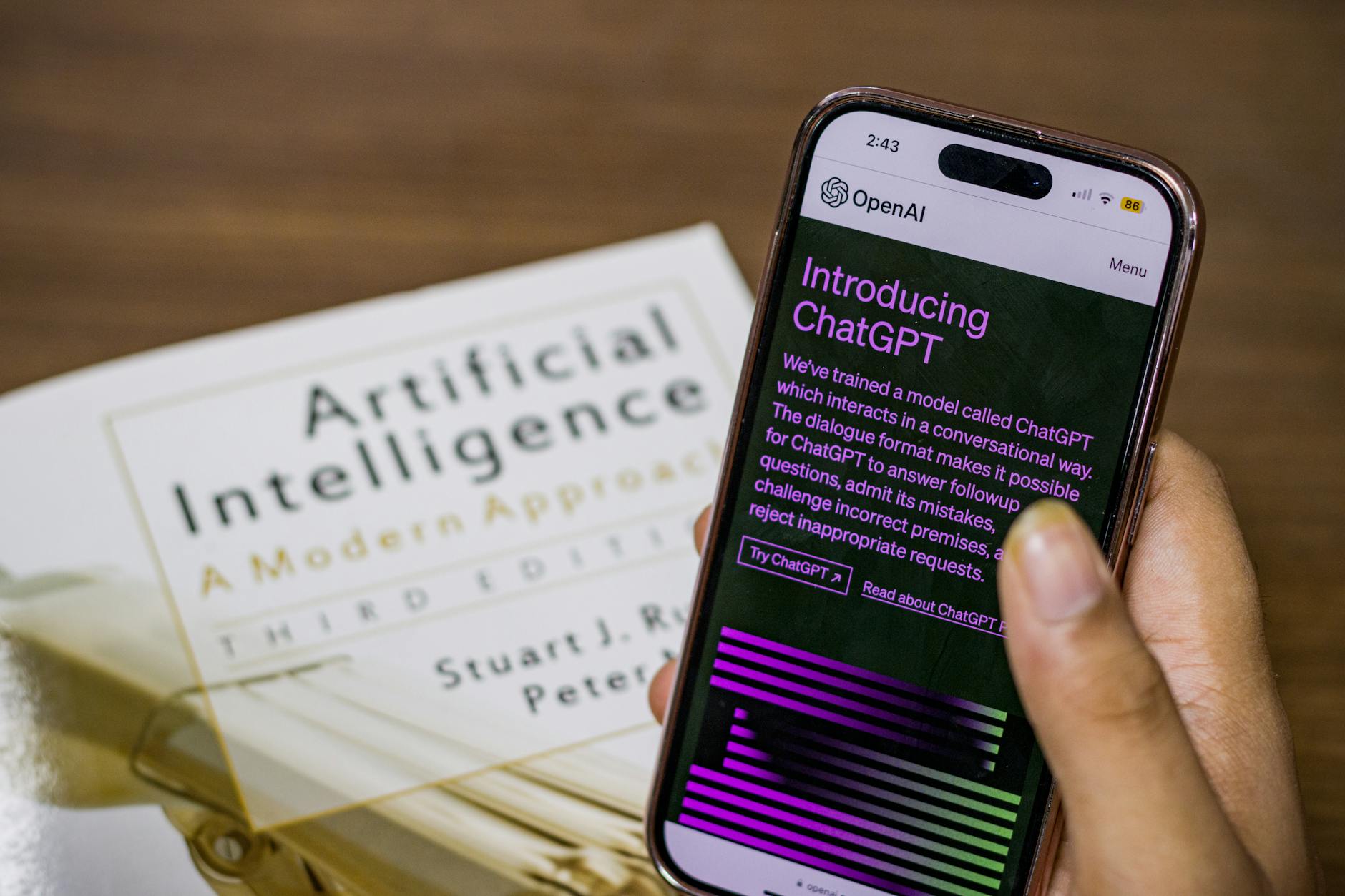
The core concern is not simply that OpenAI stores user data — most online services do. The issue is the unprecedented depth and breadth of what is being retained. Researchers at the Electronic Frontier Foundation have noted that conversational AI systems capture far more intimate details than traditional web services, because users interact with them like confidential advisors — discussing health concerns, relationship problems, financial situations, and proprietary business information.
This creates what security professionals call a high-value target. A single breach of OpenAI’s memory systems could expose years of deeply personal conversations for millions of users simultaneously. Unlike a compromised credit card database, where stolen information has established remediation paths, there is no way to effectively “cancel” leaked personal histories or recalled intimate disclosures.
The AI data retention model also introduces novel legal vulnerabilities. Court subpoenas and national security letters could compel OpenAI to produce comprehensive user profiles assembled from years of conversations. Employment disputes, divorce proceedings, and criminal investigations could all potentially access this trove of persistent data — effectively turning a user’s AI assistant into an involuntary witness against them.
What Enterprise IT Teams Need to Know
For organizations evaluating ChatGPT Enterprise or permitting employee use of the consumer product, the persistent memory feature creates significant compliance exposure across several dimensions:
– **Data residency concerns:** User data stored in ChatGPT memory may not satisfy requirements that sensitive information remain within specific geographic boundaries or on-premises infrastructure. – **Retention policy conflicts:** Many regulated industries mandate data deletion after defined periods; OpenAI’s privacy policies do not clearly specify retention limits for persistent memory. – **Access control gaps:** Organizations currently lack granular controls over what information employees share with ChatGPT or how long that information is retained. – **Audit trail limitations:** Existing memory management tools do not provide the detailed logging that enterprise compliance teams require for regulatory audits.
Analysis from the International Association of Privacy Professionals identifies the indefinite retention model as particularly problematic for organizations subject to GDPR’s data minimization requirements, CCPA’s consumer deletion rights, or HIPAA’s strict controls on protected health information. Companies operating in regulated industries may need to prohibit persistent memory features entirely or restrict ChatGPT use to temporary chat modes.
Managing Your Exposure: Imperfect Options
OpenAI provides several tools for managing ChatGPT memory, but each comes with meaningful limitations.
**Manual memory deletion** allows users to remove specific stored items through the settings interface. However, it remains unclear whether deletion removes data from all backend systems — including analytics pipelines, model training datasets, or backup archives. OpenAI’s privacy documentation does not provide detailed technical guarantees about the full scope of what deletion actually covers.
**Temporary Chat mode** disables memory for individual conversations. OpenAI states these sessions are not used for training and are not stored in a user’s memory profile, but the company’s privacy policy still permits temporary retention for unspecified “trust and safety” purposes.
**Complete memory reset** purges an entire memory profile, but this option eliminates all accumulated personalization and does not address data that may already have been incorporated into other systems.
The fundamental problem is one of asymmetric information: users cannot verify what has been deleted, what is retained in aggregate form, or how memory data flows through OpenAI’s broader infrastructure. Transparency, in other words, stops at the interface.
The Regulatory Reckoning Ahead
OpenAI’s persistent memory architecture is arriving precisely as regulators worldwide intensify scrutiny of AI data practices. The European Union’s AI Act includes specific provisions on transparency and data governance for general-purpose AI systems. California’s proposed AI safety legislation would require clear disclosure of data retention practices and meaningful user control mechanisms.
Privacy advocates argue that current controls fall short of genuine informed consent — users cannot meaningfully understand what is being stored, how it is used beyond immediate conversation context, or what deletion actually entails. The Internet Society has called for mandatory retention limits and third-party auditing of AI data retention systems.
For individual ChatGPT users, the calculus is becoming increasingly difficult. The personalization benefits are real, but so are the risks. Until OpenAI provides more transparent technical guarantees around data retention, deletion scope, and access controls, enabling persistent memory remains a calculated bet that sensitive information will stay secure — indefinitely.
The Bottom Line
OpenAI’s expanded persistent memory represents a fundamental shift in how AI systems handle user data. The technology enables unprecedented personalization, but it also creates an unprecedented privacy liability.
For individual users, the decision to enable ChatGPT memory should be made with clear awareness that doing so builds a comprehensive, open-ended record of your interactions. For enterprises, the feature demands rigorous evaluation against data governance policies and applicable regulatory requirements.
The broader industry trend toward persistent, cross-session memory is unlikely to reverse — the competitive advantages are too significant for any major player to abandon. But without stronger technical guarantees, clearer retention policies, and robust regulatory frameworks, millions of users will continue entrusting their most sensitive information to systems that still have more open questions than definitive answers about long-term data protection.
Send free SMS worldwide
Reach any mobile number in 200+ countries from your browser. No signup, no app.
Send a free SMS →