Federal Agencies Confirm Coordinated Breach Exposed 4.7 Million Americans’ Healthcare Records Across Three States
A vulnerability left unpatched for more than a year has produced one of the most consequential healthcare data breaches in recent memory.
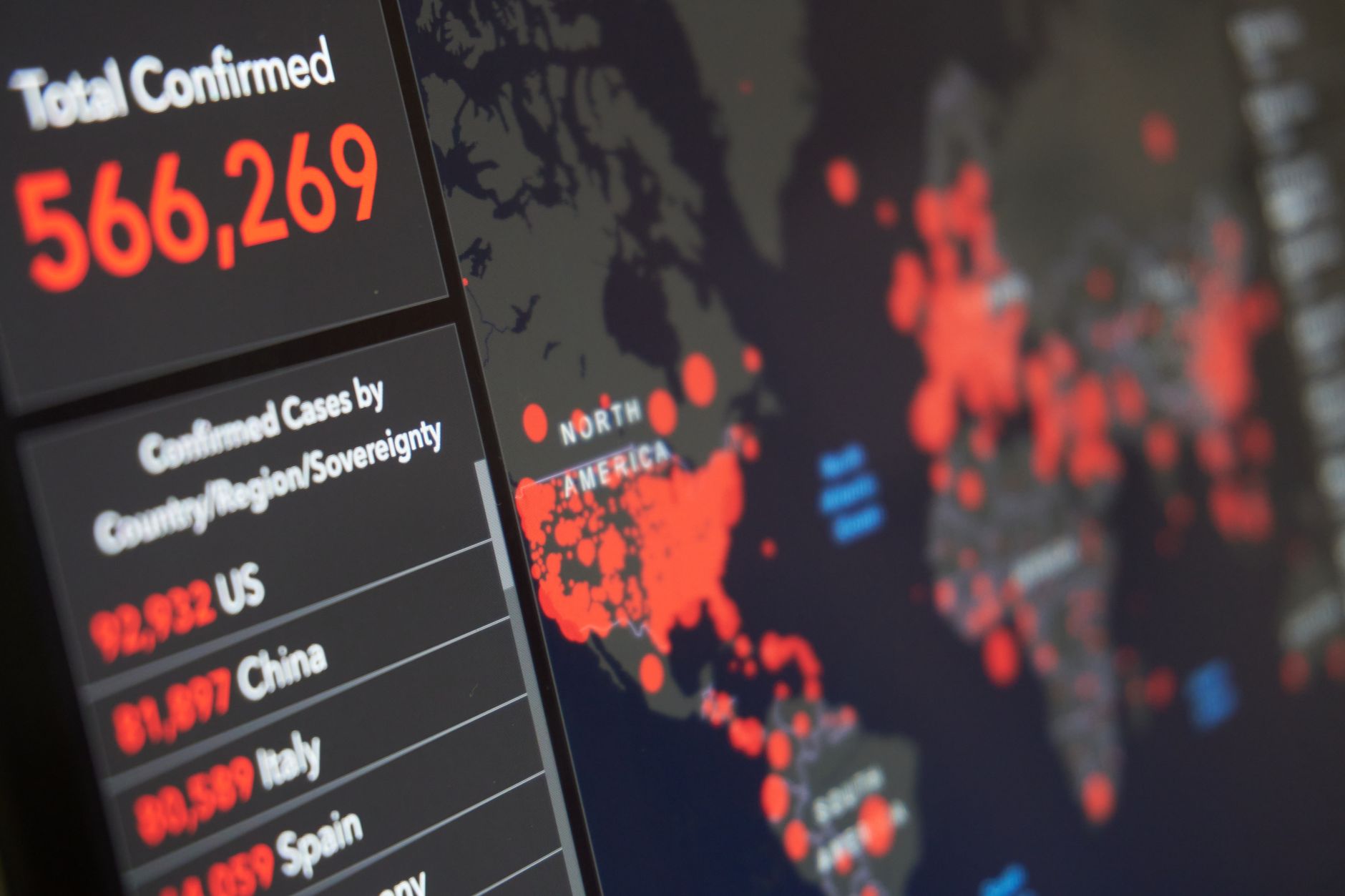
The Cybersecurity and Infrastructure Security Agency (CISA) and the Department of Health and Human Services (HHS) have jointly confirmed that a coordinated ransomware campaign struck regional hospital networks across Ohio, Georgia, and Arizona, compromising the records of approximately 4.7 million Americans. The exposed data includes Social Security numbers, prescription histories, insurance information, and other sensitive personal health identifiers — the kind of information that enables identity theft, insurance fraud, and targeted phishing for years after an initial breach.
What makes this incident particularly serious is not only its scale. It is the fact that the vulnerability the attackers exploited had already been identified, documented, and flagged in a 2023 federal advisory — one the affected organizations never acted on.
—
What Happened: A Coordinated Attack Across Three States
Federal investigators confirmed that threat actors executed a multi-stage ransomware campaign targeting the network infrastructure of regional hospital systems in three states simultaneously. The coordination points to a sophisticated, well-resourced group capable of managing parallel intrusions — not opportunistic actors striking one target at a time.
The attackers gained initial access by exploiting a known vulnerability in VPN remote access infrastructure that many healthcare organizations rely on to connect clinical staff, remote administrators, and third-party vendors. Once inside, they moved laterally through hospital networks, exfiltrating patient records before deploying ransomware payloads designed to encrypt critical systems and maximize operational disruption.
CISA confirmed that the specific VPN vulnerability exploited had been included in a 2023 advisory urging organizations — particularly those in critical infrastructure sectors — to apply available patches without delay. The affected hospital networks had not done so.
—
The Data Exposed: Why This Breach Carries Long-Term Risk
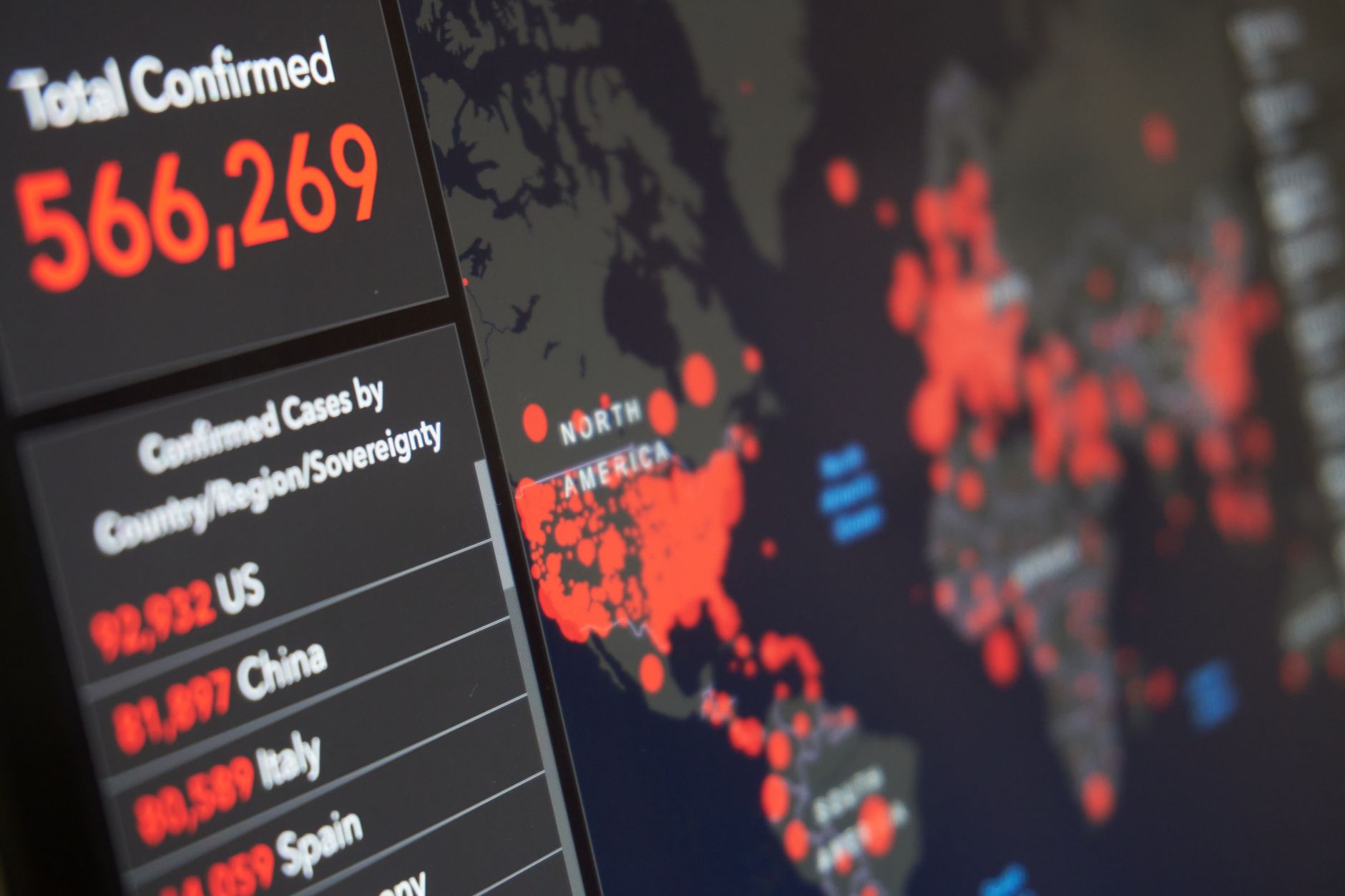
Not all healthcare data breaches carry equal weight. This one sits near the top of the risk scale.
The compromised records contained a combination of protected health information (PHI) and personally identifiable information (PII) that together create a detailed profile of each affected individual. Social Security numbers paired with prescription histories can be used to commit medical identity theft — a crime in which fraudsters obtain prescriptions, medical devices, or insurance reimbursements in a victim’s name. This form of fraud is notoriously difficult to detect and can take years to fully resolve.
HHS has indicated that notification processes are underway in compliance with HIPAA’s Breach Notification Rule, which requires covered entities to inform affected individuals within 60 days of discovering a breach. Patients in Ohio, Georgia, and Arizona who received care at the affected facilities should monitor official communications from their healthcare providers and watch for suspicious activity on their insurance accounts and credit reports.
—
The Unpatched VPN Vulnerability: A Preventable Failure
The technical root cause of this breach is both straightforward and avoidable. CISA’s 2023 advisory explicitly identified the exploited VPN vulnerability, provided technical details about the exposure, and outlined remediation steps including patch application and configuration hardening.
For hospital IT administrators, the implication is clear: advisory compliance is not optional. In healthcare environments, where legacy systems, limited IT staffing, and operational continuity concerns routinely delay patching cycles, known vulnerabilities can persist far longer than they should. Ransomware groups targeting high-value sectors actively scan for organizations running systems flagged in public advisories. An unaddressed CISA advisory is, in effect, an open invitation.
Organizations that have not audited their VPN infrastructure against current entries in CISA’s Known Exploited Vulnerabilities (KEV) catalog should treat that audit as an immediate operational priority.
—
Federal Response and What Comes Next
CISA and HHS have both issued updated guidance following the confirmed breach. CISA is urging all healthcare and public health sector organizations to review their remote access infrastructure, enforce multi-factor authentication across all VPN and administrative access points, and ensure patch management programs are actively tracking KEV catalog updates.
HHS, through its Office for Civil Rights (OCR), is expected to open investigations into whether the affected hospital networks maintained adequate security practices under HIPAA’s Security Rule. Organizations found to have disregarded documented vulnerability advisories may face significant civil monetary penalties, given both the scale of the exposure and the sensitivity of the data involved.
Congressional oversight committees focused on critical infrastructure and healthcare cybersecurity have already signaled interest in hearings to examine the breach and assess whether current federal frameworks adequately incentivize timely remediation at the institutional level.
—
What Patients and Organizations Should Do Now
**For patients:** If you received care at a hospital in Ohio, Georgia, or Arizona and receive a breach notification, treat it seriously. Place a credit freeze with all three major credit bureaus, review your insurance explanation-of-benefits statements for unfamiliar claims, and consider enrolling in identity monitoring services if offered by the affected provider.
**For hospital IT administrators:** Conduct an immediate audit of all remote access infrastructure against the CISA KEV catalog. Prioritize VPN patching, enforce multi-factor authentication without exception, and establish a formal process for tracking and remediating federal vulnerability advisories within defined timeframes.
**For policymakers:** This breach illustrates the gap between advisory issuance and institutional action. Voluntary compliance frameworks have demonstrable limits. Regulatory mechanisms that establish enforceable remediation timelines for critical vulnerabilities in healthcare settings warrant serious legislative attention.
—
A Preventable Crisis With Lasting Consequences
The breach affecting 4.7 million Americans was not the result of a zero-day exploit or an unanticipated attack technique. It was the result of a known vulnerability, a published warning, and an institutional failure to act. CISA identified the risk. HHS maintains frameworks requiring security diligence. The affected organizations had both the information and the obligation to respond — and did not.
Ransomware groups targeting healthcare infrastructure are not slowing down. They are becoming more coordinated, more deliberate, and more precise in selecting victims who have demonstrated a pattern of leaving known vulnerabilities unaddressed. For every hospital network, regional health system, and healthcare IT team, the question is no longer whether attackers are scanning their unpatched systems. It is how long they are willing to wait before those attackers find what they are looking for.
Send free SMS worldwide
Reach any mobile number in 200+ countries from your browser. No signup, no app.
Send a free SMS →