Columbus City Council Votes to Redirect $38 Million in Federal Infrastructure Funds After Water System Audit Reveals Pipe Failures
When auditors handed Columbus officials a report identifying 214 miles of lead-adjacent water mains at elevated failure risk, the question was no longer whether to act — it was how quickly.
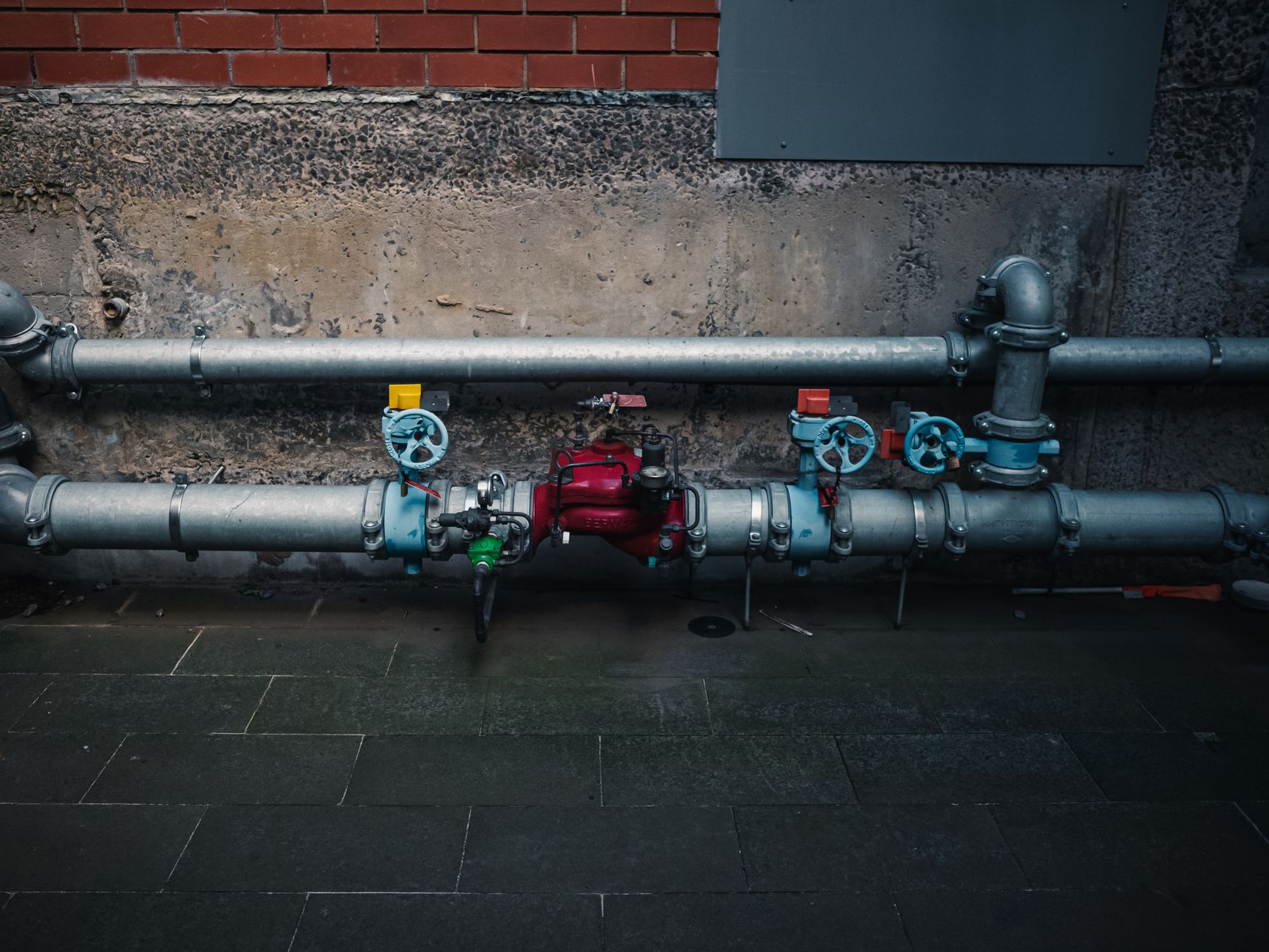
The answer came swiftly. In a 6-3 vote, Columbus City Council approved a resolution redirecting $38 million in federal infrastructure funds away from planned road resurfacing projects and toward emergency pipe replacement across 11 neighborhoods on the city’s east and south sides. The decision represents one of the most significant shifts in Columbus water infrastructure spending in recent memory and sets an 18-month deadline for Phase 1 completion.
—
What the Audit Found
The independent audit, commissioned earlier this year amid growing concerns about aging underground systems, painted a stark picture of the city’s water distribution network. Investigators flagged 214 miles of water mains as lead-adjacent — meaning the pipes either contain lead components, connect to lead service lines, or run through corridor segments where lead contamination risk is materially elevated.
Critically, auditors did not simply catalog the presence of older materials. They assessed structural integrity and assigned failure-risk scores based on pipe age, soil corrosivity, pressure history, and maintenance records. The segments flagged in the report were not merely old — they were assessed as actively vulnerable to rupture or accelerated leaching under current operating conditions.
For residents in the affected zip codes, that distinction matters enormously. A failing water main does not just disrupt service. It can introduce contaminants into the supply, damage private property, and destabilize road surfaces above the break — compounding the very infrastructure problems the redirected road funds were originally meant to address.
—
The Council Vote and What It Means
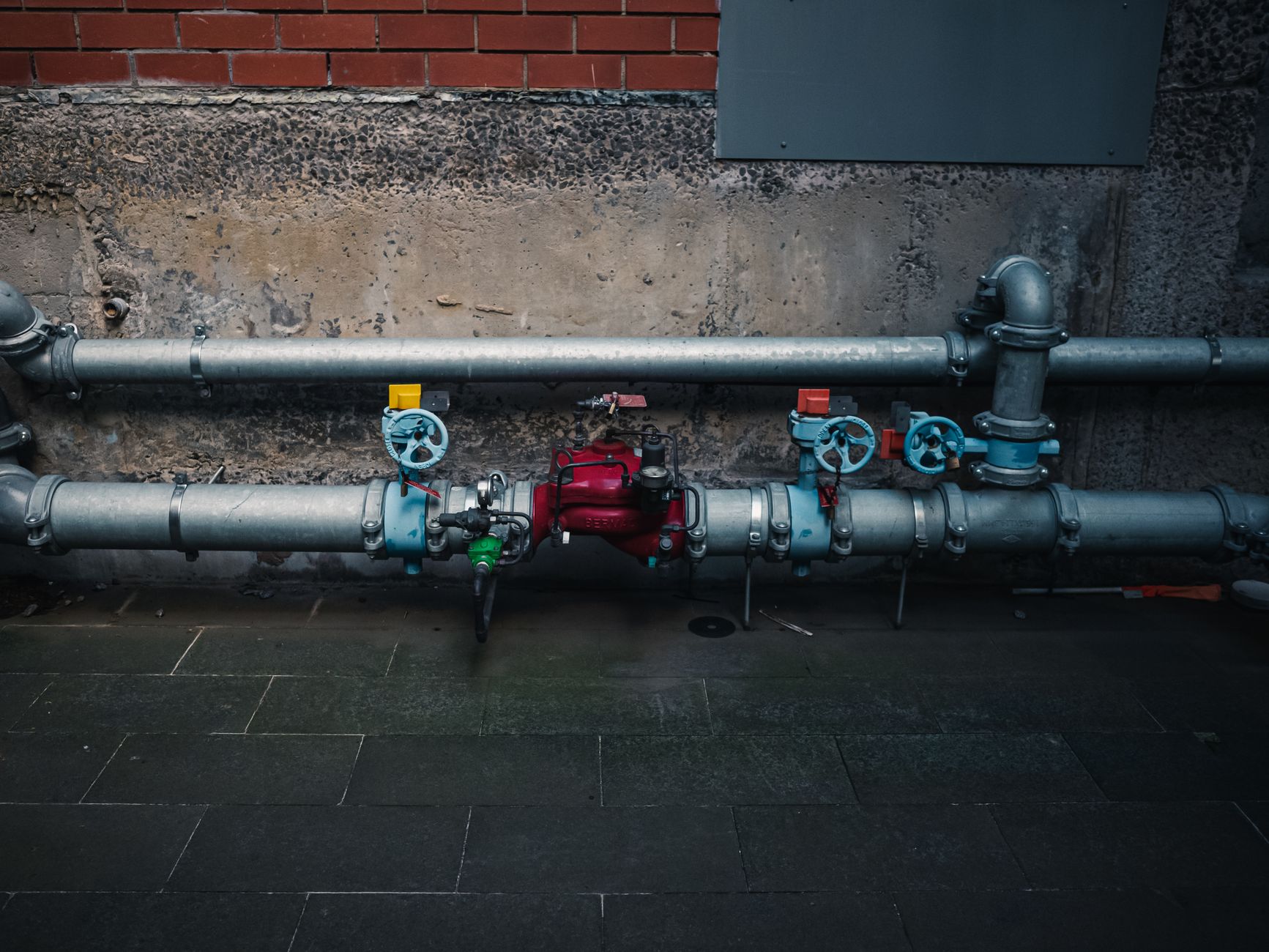
The 6-3 vote was not without friction. Council members who opposed the reallocation raised concerns about the consequences for road resurfacing projects already promised to constituents in other parts of the city. Delaying those projects, critics argued, shifts one infrastructure burden onto different neighborhoods — a zero-sum tradeoff that warrants broader public deliberation.
Supporters countered that the risk calculus is not equivalent. Deteriorating pavement is a quality-of-life issue. Failing lead pipes are a public health emergency. When federal infrastructure funds are available, they argued, the council has both the authority and the obligation to prioritize accordingly.
The majority prevailed, and the reallocation now moves into the implementation phase. City administrators are expected to publish a detailed project map identifying the specific mains scheduled for replacement in Phase 1, along with contractor procurement timelines and resident notification procedures.
—
Which Neighborhoods Are Affected
The 11 neighborhoods targeted in Phase 1 are concentrated on Columbus’s east and south sides — areas that have historically received less infrastructure investment relative to the city’s growth corridors to the north and northwest. While a finalized block-by-block breakdown has not yet been released, residents in these communities can expect construction activity, temporary service interruptions, and street-level disruption over the next 18 months.
For homeowners in the affected areas, the pipe replacement program raises an important parallel question about the condition of private service lines connecting city mains to individual properties. Municipal replacement of public water mains does not automatically address lead service lines on private property, which remain the homeowner’s legal responsibility in most jurisdictions. Residents are encouraged to contact Columbus Public Utilities to request a service line material assessment for their address.
—
The Federal Funding Context
The $38 million being redirected originates from federal infrastructure allocations made available through recent federal investment in water and transportation systems. Repurposing these funds for water main replacement rather than road resurfacing is legally permissible under the applicable grant frameworks, provided the city meets documentation and reporting requirements — a process city administrators say is already underway.
The reallocation also positions Columbus to potentially access additional federal dollars specifically designated for lead pipe remediation. Under current federal guidelines, municipalities that demonstrate proactive lead service line replacement programs can qualify for supplemental funding. Columbus water infrastructure advocates have identified this as a secondary benefit of the council’s decision: acting decisively now may unlock resources that make Phase 2 and Phase 3 work more financially viable.
—
What Comes Next
The 18-month timeline for Phase 1 is ambitious. Large-scale water main replacement in dense urban environments requires coordination across multiple city departments, utility companies, and private contractors. Pipe material supply chains, permitting timelines, and seasonal construction windows will all factor into whether the city meets its target.
Council members who supported the measure have indicated they expect quarterly progress reports and public briefings, giving residents in affected neighborhoods the opportunity to track construction milestones and raise concerns. That accountability structure will be essential — not only for this project, but for building the public trust necessary to sustain what will likely become a multi-phase, multi-year commitment to Columbus water infrastructure renewal.
—
A Turning Point, Not a Finish Line
The 6-3 vote is a meaningful decision, but it is not a solution. Two hundred fourteen miles of at-risk pipe represent a problem that $38 million and 18 months cannot fully resolve. What the council has established is a precedent: that audit findings carry weight, that federal infrastructure funds can be redirected when public health demands it, and that the east and south sides of Columbus are not afterthoughts in the city’s infrastructure planning.
For residents in the affected neighborhoods, the next 18 months will test whether that precedent holds. For city council members, Ohio municipal policy observers, and urban infrastructure advocates across the state, Columbus now stands as a case study in how mid-sized American cities respond when the ground beneath them — quite literally — begins to give way.
Send free SMS worldwide
Reach any mobile number in 200+ countries from your browser. No signup, no app.
Send a free SMS →