UPS Deploys 1,200 Autonomous Sorting Robots Across 14 Hubs as Teamsters Contract Enters Year Two
The robots arrived quietly. While Teamsters members were still digesting the hard-won wage increases and air conditioning provisions of their 2023 contract with UPS, the company was rolling out 1,200 autonomous sorting robots across 14 distribution hubs. The expansion has reduced overnight sort staffing by 17% at pilot facilities, according to internal logistics data. Now, as the contract enters its second year, union members and labor analysts are asking whether the automation language they fought for is strong enough to protect 340,000 workers whose roles increasingly overlap with machines.
The Scale of UPS’s Automation Expansion Since Ratification
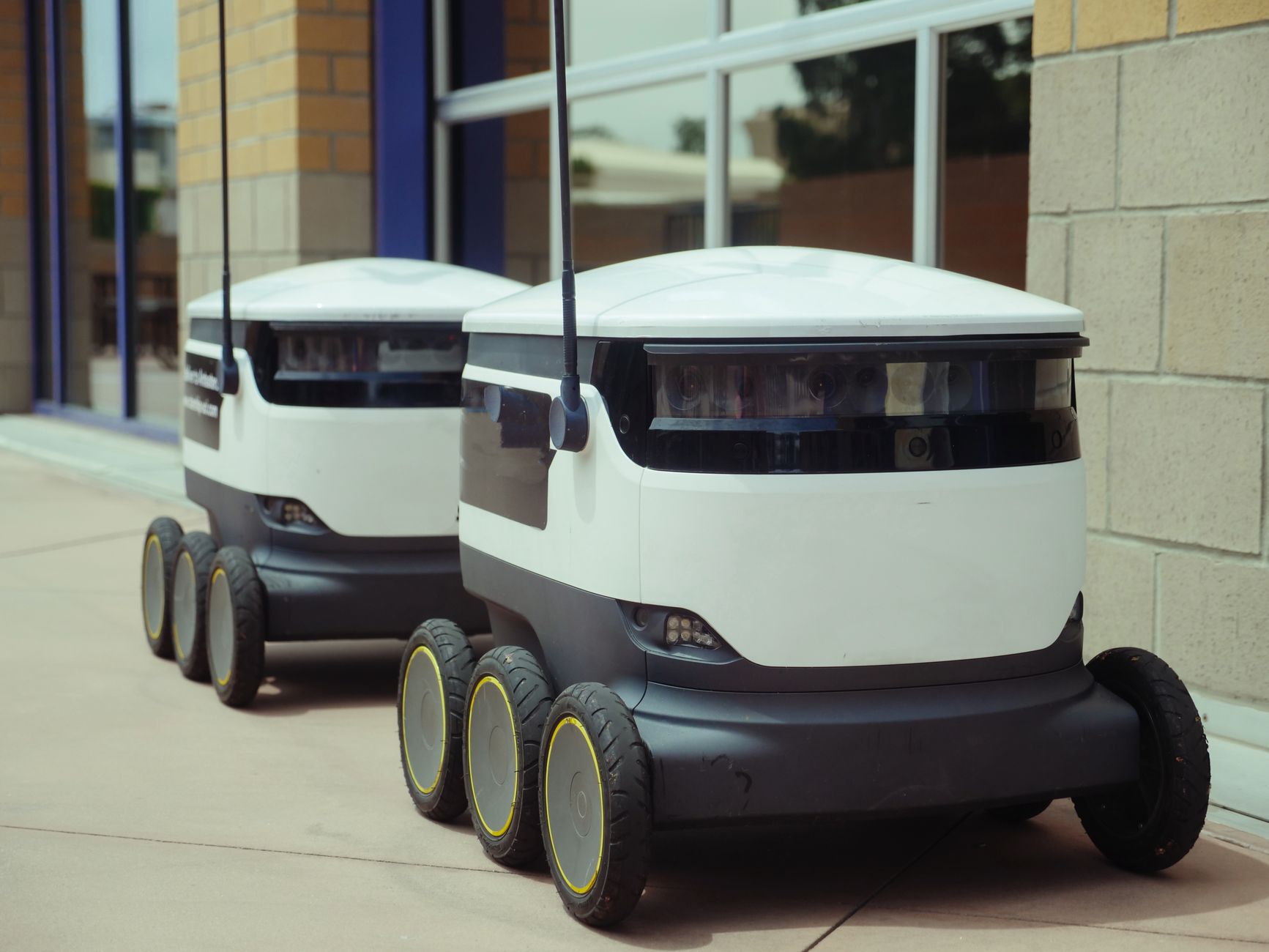
The deployment represents one of the largest expansions of warehouse robotics in the logistics sector since the Teamsters contract was ratified in August 2023. The 1,200-unit rollout spans UPS’s domestic network, targeting overnight and twilight sort operations—the windows when package volume peaks and labor costs run highest.
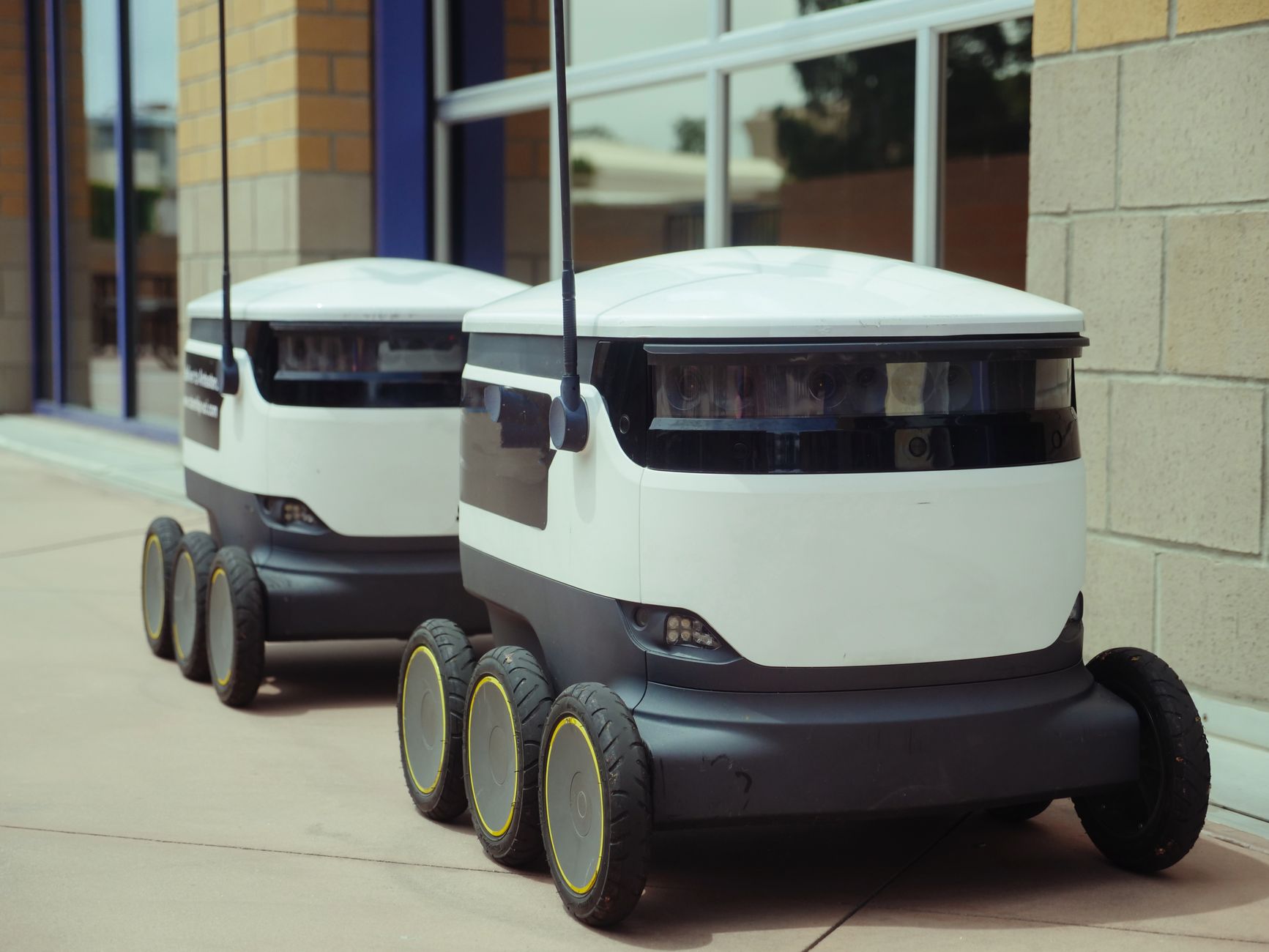
These autonomous systems navigate warehouse floors independently, transporting sorted packages between conveyor lines and loading zones. That work has traditionally been performed by package handlers, who make up a substantial portion of UPS’s Teamsters workforce. The technology itself is not new to UPS; the company has been piloting automated sorting systems since 2019. What has changed is the velocity and scale of deployment in the contract’s second year.
The 17% staffing reduction at pilot facilities, drawn from internal logistics data, represents the first concrete evidence of how UPS automation is reshaping workforce composition under the current agreement. The company has not publicly disclosed which hubs are operating with reduced sort crews, but the data suggests a pattern that extends beyond isolated test sites.
What the Teamsters Contract Actually Says About Automation
The 2023 Teamsters contract includes automation language, but its protections are procedural rather than prohibitive. The agreement requires UPS to notify the union of planned automation installations and allows for impact bargaining over implementation. It does not, however, grant the union veto power over automation decisions or guarantee that displaced workers will be reassigned to equivalent roles.
Article 6 of the National Master Agreement addresses technological change, requiring advance notice and mandating that the company meet with union representatives to discuss the impact on bargaining unit work. The contract stops short of requiring one-for-one job replacement or restricting the pace of automation deployment.
During negotiations, this framework was considered a meaningful win—particularly when compared to non-union logistics competitors, where automation proceeds without any worker input. Yet the 1,200-robot expansion and its accompanying staffing reductions suggest the notification-and-negotiation model may offer less friction to automation than many members anticipated.
Labor Displacement in Real Time
The 17% reduction in overnight sort staffing at facilities with expanded automation raises immediate questions about where those workers went. The internal logistics data does not specify whether the reduction resulted from attrition, transfers to other shifts, or layoffs—a distinction that matters enormously to affected workers and to the union’s ability to enforce contract protections.
For Teamsters members in sort operations, the concern is not abstract. Package handlers who once moved 200 to 300 packages per hour manually now work alongside systems capable of sustaining higher throughput with fewer human touchpoints. As automation density increases, the remaining human roles tend to shift toward exception handling, maintenance support, and quality control—work that may require different skills and offer different career trajectories than traditional sort positions.
The displacement pattern at UPS mirrors broader trends across unionized logistics and manufacturing, where automation clauses in collective bargaining agreements have struggled to keep pace with the speed of technological adoption. What makes the UPS case particularly significant is its scale: 340,000 Teamsters members work under this contract, making it one of the largest private-sector union agreements in North America and a potential template for how other unions approach warehouse robotics.
Industry Context and Union Response
UPS is not alone in accelerating warehouse automation. Amazon, DHL, and FedEx have all expanded robotic sorting and transport systems over the past two years. But UPS’s Teamsters workforce makes its automation trajectory uniquely consequential for organized labor.
The Teamsters have not remained passive. Local unions at several UPS facilities have filed information requests seeking details on automation plans and staffing impacts, using the contract’s notification provisions to press the company for transparency. At the national level, union leadership has indicated that automation protections will be a priority in the next contract cycle, though specific proposals have not been made public.
Labor policy analysts are watching closely. The UPS situation is becoming a reference point for unions negotiating first-time automation language and for those seeking to strengthen existing provisions. The central question is whether notification-based frameworks can effectively protect workers, or whether unions need to pursue harder limits on the pace of automation, mandatory retraining programs, or contract language that ties technology adoption directly to job guarantees.
What Comes Next
As the Teamsters contract moves through its second year, the 1,200-robot deployment will serve as a live test of whether current labor protections can accommodate rapid technological change without eroding the workforce that secured them. The 17% staffing reduction at pilot facilities is not yet a crisis, but it is a signal—one that suggests the automation clauses negotiated in 2023 may need significant reinforcement before the next contract cycle begins.
For the 340,000 Teamsters members whose work overlaps with these systems, the question is no longer whether UPS automation will reshape their jobs. It is whether their union contract can shape that transformation in return. The answer will matter not just to UPS workers, but to every union in every industry where warehouse robots are becoming standard equipment.
Send free SMS worldwide
Reach any mobile number in 200+ countries from your browser. No signup, no app.
Send a free SMS →