Burna Boy’s Afrobeats Empire: How a $120M Touring Business Is Reshaping African Entertainment Economics
He sold out Madison Square Garden. He headlined Coachella. Now Burna Boy is doing something far more consequential than filling arenas — he’s building the infrastructure that could permanently shift how wealth flows through African entertainment.
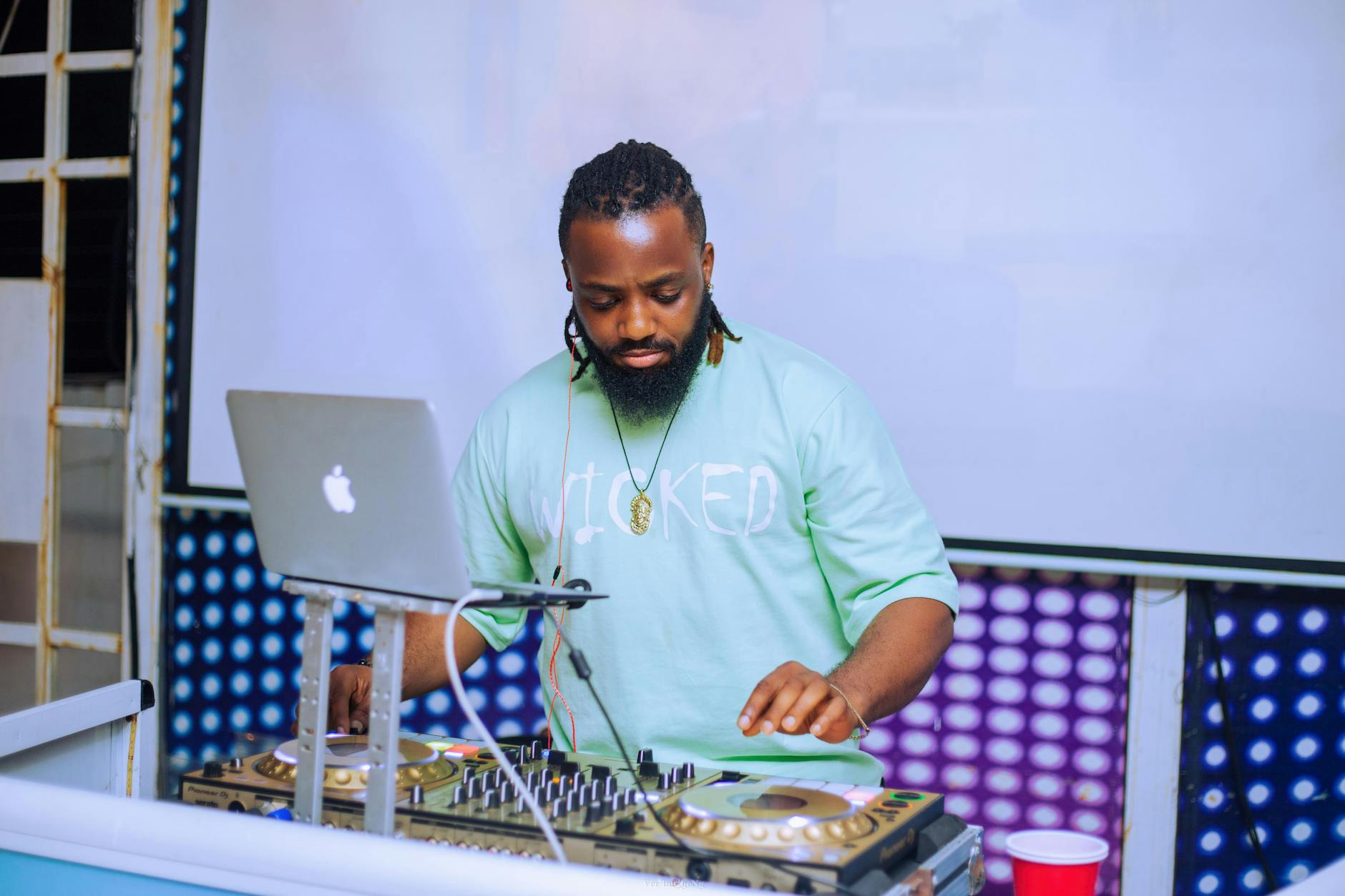
His 2024 world tour generated an estimated $120 million in gross revenue. His newly launched Lagos-based record label has already signed six emerging artists. In crossing both thresholds, Burna Boy has reached territory few artists from the continent have ever entered. He is no longer simply a performer. He is a vertically integrated entertainment business — and the model he’s assembling carries serious implications for the Nigerian music industry and well beyond it.
—
The Touring Machine Behind the Numbers
Live touring has always been the most reliable income stream for artists operating at the top of the market, and Burna Boy’s 2024 run demonstrated just how dominant Afrobeats has become on the global stage. Multi-night sellouts across North America, Europe, and Australia confirmed what streaming data had been signaling for years: the genre’s audience is no longer concentrated in Lagos or London. It is everywhere.
What distinguishes his touring operation from a typical arena run is the degree of vertical control his team has pursued. From production design to merchandise logistics, the infrastructure around his live business has been built to limit third-party extraction and maximize margin retention. For artists from markets where label deals have historically captured the majority of upside, that kind of operational ownership represents a genuine structural shift.
The $120 million figure, impressive in isolation, becomes more significant when you consider how little of that revenue would have remained within the African entertainment ecosystem under older industry arrangements.
—
The Streaming Royalty Gap Nobody Wants to Talk About
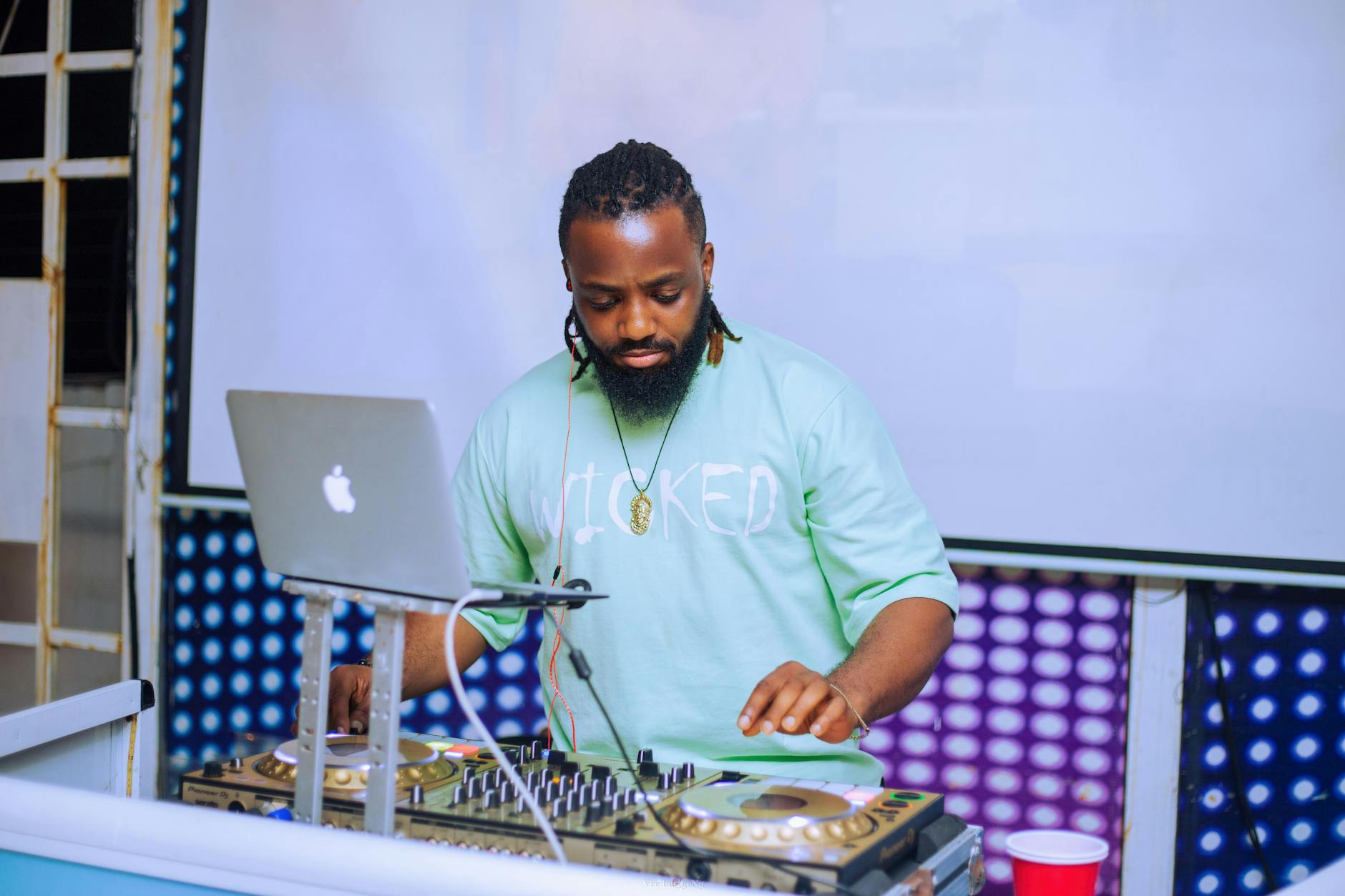
Touring revenue tells one part of the story. Streaming royalties tell another — and it is a far more complicated one.
Afrobeats ranks among the fastest-growing genres on every major platform. Nigerian music exports have driven billions of streams globally over the past five years. Yet the royalty infrastructure governing how that listening translates into artist income was designed for Western markets, Western currencies, and Western consumption patterns.
Streams originating from Nigeria, Ghana, or Kenya are typically valued at a fraction of what the same play generates from a listener in the United States or Germany. The per-stream rate disparity between Tier 1 and Tier 3 markets means an artist whose fanbase is concentrated in Africa can generate enormous cultural impact while receiving comparatively modest royalty income. This is not a new problem — but the commercial success of artists like Burna Boy is forcing it into sharper focus.
The conversation is no longer theoretical. It is a business problem with measurable dollar consequences, and the artists who understand it best are the ones now building around it rather than waiting for platforms to act.
—
Building the Lagos Infrastructure Play
The launch of Burna Boy’s Lagos-based record label signals a deliberate effort to capture more of the value chain from within. Rather than licensing talent to multinational labels and watching the economics flow outward, the model inverts that logic entirely.
A Lagos-anchored label can develop artists closer to their cultural source, retain master rights, and build catalog assets that appreciate over time. It can also function as a production and distribution hub for a region where independent infrastructure has historically lagged far behind the talent it produces.
This is the vertically integrated play in full: touring generates cash flow, the label generates catalog, and catalog generates licensing, sync, and long-term royalty income. Each layer reinforces the others, and critically, each layer keeps more money circulating within the African entertainment economy rather than exiting it.
For music business investors watching this space, the signal is unambiguous. The smart money is no longer betting solely on individual artists. It is betting on the infrastructure those artists are building.
—
What This Means for the Next Generation
The economic model Burna Boy is assembling has implications that extend well beyond his own career. When one of the most commercially successful Afrobeats artists in history demonstrates that you can control your masters, operate your own label, and gross nine figures on a world tour without surrendering the majority of your upside to legacy intermediaries, it changes the negotiating posture of every Nigerian artist who follows.
It also changes what investors and partners are willing to fund. African diaspora audiences — long the connective tissue between continental talent and global markets — are increasingly positioned as both consumers and capital allocators within this ecosystem. Appetite for African entertainment investment is growing, and the infrastructure taking shape in Lagos, Accra, and Nairobi is becoming sophisticated enough to absorb it.
—
The Bigger Picture
Burna Boy’s rise is not just a success story. It is a proof of concept.
It proves that Afrobeats can sustain a nine-figure touring business. It proves that Nigerian artists can build and own the infrastructure around their work rather than simply feeding it into systems designed to benefit others. And it proves that the economics of African entertainment are not fixed — they are being actively rewritten by artists willing to operate like executives.
The royalty gap is real. The structural disadvantages are real. But so is the momentum. And for the first time in the genre’s modern history, the people with the most at stake are also the ones with the most leverage.
That is what makes this moment different. And that is why the business world should be paying close attention.
Send free SMS worldwide
Reach any mobile number in 200+ countries from your browser. No signup, no app.
Send a free SMS →