UPS Deploys AI Sorting Robots at 6 Major Hubs — Teamsters Say It Violates Automation Clause in 2023 Contract
The packages keep moving. The workers are watching — and so are their lawyers.
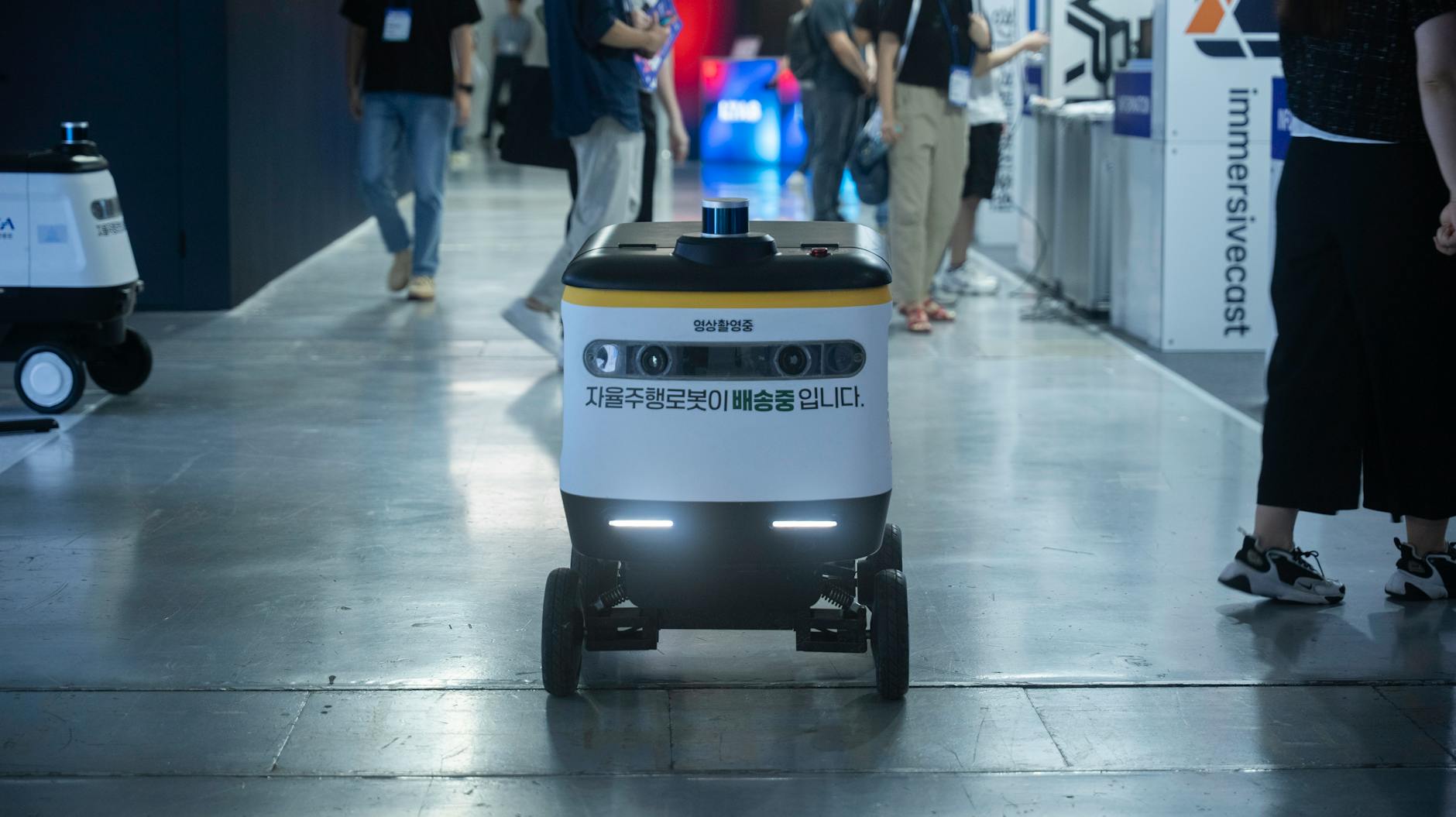
United Parcel Service has quietly rolled out AI-powered robotic sorting systems across six major distribution hubs, including facilities in Louisville and Atlanta, capable of processing up to 140,000 packages per hour at a single location. The Teamsters union contends that UPS did so without proper notification, in direct violation of automation language negotiated into the landmark 2023 collective bargaining agreement. What began as a logistics upgrade is now shaping into one of the most consequential labor disputes of the AI era — with a potential $1.4 billion grievance battle hanging in the balance.
—
What UPS Deployed — and Where
The rollout centers on AI sorting robots that use computer vision and machine learning to read labels, assess package dimensions, and route shipments across conveyor networks at speeds that far exceed manual sorting capacity. The systems have been installed at hubs in Louisville, Atlanta, and four additional cities that handle some of the company’s highest daily package volumes.
At peak throughput, a single equipped hub can process up to 140,000 packages per hour — a significant leap over traditional automated belt systems. UPS has framed the deployment as an operational efficiency investment, part of a broader push to modernize its network and relieve margin pressure in its domestic package segment.
The company has not publicly disclosed the full scope of the rollout. Internal communications reviewed by labor representatives suggest the installations proceeded with limited advance notice to local union leadership.
—
What the 2023 Contract Actually Says
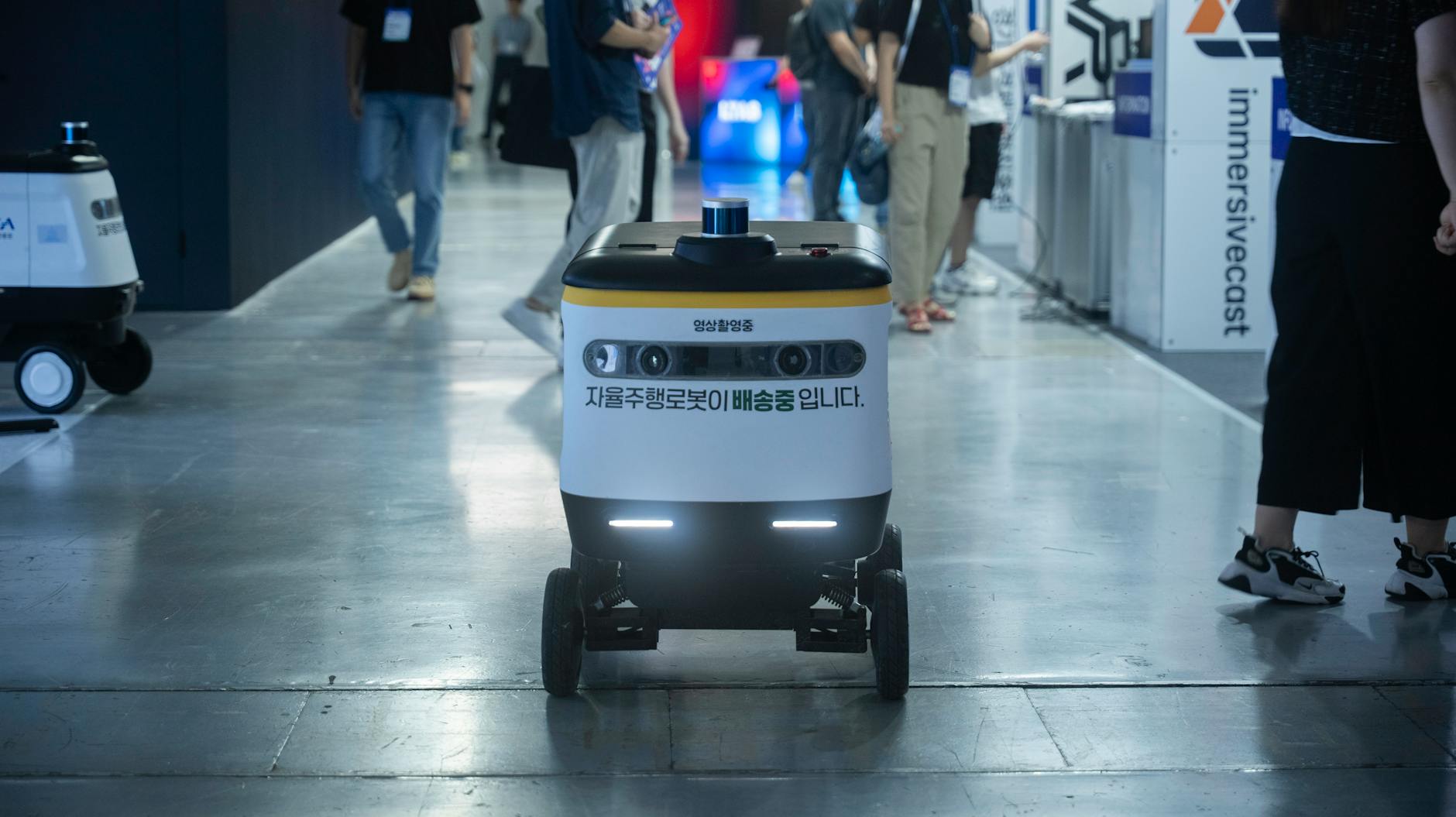
The 2023 Teamsters-UPS agreement was celebrated as a historic win for organized labor. It secured substantial wage increases, eliminated the controversial two-tier driver classification, and — critically — included negotiated language governing automation notification. That language requires UPS to inform the union in advance when new automated systems are introduced that could affect bargaining unit work.
The Teamsters argue that the AI sorting deployments trigger that notification requirement and that UPS failed to comply. The union’s position is that warehouse automation of this scale and capability — systems that directly perform work previously done by dues-paying members — cannot be introduced unilaterally, regardless of how UPS classifies the technology internally.
UPS has not publicly confirmed or denied whether it provided the required notice. The company has historically maintained that certain technology upgrades fall within its management rights under the contract.
—
The $1.4 Billion Grievance Calculation
The $1.4 billion figure reflects the cumulative financial exposure UPS could face if arbitrators side with the Teamsters across all six affected hubs. The calculation accounts for back pay, benefit contributions, and remediation costs tied to work hours that union members argue were displaced or diminished by the AI systems without proper contractual process.
Labor grievances of this magnitude are rare but not unprecedented in the logistics sector. What makes this case distinct is the technology at its center. Unlike earlier generations of warehouse automation — conveyor upgrades, barcode scanners, basic robotic arms — AI sorting robots operate with a level of adaptive decision-making that blurs the line between a productivity tool and a worker replacement. That distinction carries enormous weight in contract interpretation.
The grievance process under the Teamsters-UPS agreement involves multiple arbitration steps, meaning a final resolution could take months or years. But the filing itself sends a clear signal to every major employer with a unionized workforce that is currently weighing AI deployment timelines.
—
Why This Case Is Bigger Than UPS
Labor attorneys, AI policy researchers, and executives across the logistics, manufacturing, and retail sectors are watching this dispute closely — because its outcome will help define what existing labor contracts actually mean in the age of applied AI.
Most collective bargaining agreements were written before large-scale warehouse automation reached its current capability threshold. Notification clauses, work preservation language, and management rights provisions were negotiated with a different technological landscape in mind. The Teamsters’ challenge forces a reckoning with how those provisions apply when the automation in question is not a faster conveyor belt but a system that perceives, decides, and acts.
If the Teamsters prevail, it will establish a precedent that AI deployments in unionized facilities require meaningful advance engagement with labor — not merely internal technology approvals. If UPS prevails, it could give employers grounds to argue that AI systems fall outside traditional automation notification frameworks, accelerating deployment timelines across industries.
Several major unions representing workers in warehousing, food processing, and automotive manufacturing are monitoring the arbitration closely and consulting legal counsel about the implications for their own contracts.
—
The Workforce Stakes on the Ground
For the workers inside those six hubs, the dispute is less about legal precedent and more about job security. Sorting roles have historically provided stable, well-compensated entry points into the UPS workforce — positions that feed into driving and supervisory tracks covered by strong union protections.
The introduction of AI sorting robots does not necessarily eliminate jobs overnight. But it reduces the number of workers needed per shift, reshapes the nature of remaining tasks, and alters the long-term hiring trajectory at affected facilities. Union members have raised concerns about gradual workforce reduction through attrition — a strategy that avoids layoffs while steadily shrinking the bargaining unit.
—
A Contract Clause Becomes a Flashpoint
The 2023 Teamsters-UPS agreement was meant to serve as a model for how labor and management could negotiate durable terms during a period of rapid technological change. The AI sorting dispute suggests that peace may have been more fragile than either side acknowledged.
The automation notification clause was not an oversight — it was a hard-won provision that union negotiators inserted precisely because they anticipated this moment. Whether that language holds against UPS’s deployment decisions will determine not just the outcome of a single labor grievance, but the credibility of negotiated AI guardrails in every contract that follows.
The packages keep moving. The precedent is still being written.
Send free SMS worldwide
Reach any mobile number in 200+ countries from your browser. No signup, no app.
Send a free SMS →