UPS Deploys AI-Powered Sorting Robots at 12 Major Hubs, Teamsters Demand Workforce Impact Audit
In warehouses from Louisville to Ontario, packages now glide through sorting lines guided by robotic arms and machine vision systems, moving 40% faster than human-operated lines. Over the past eight months, UPS has deployed AI-powered sorting robots across 12 major distribution hubs in a rollout that has largely escaped public scrutiny — until now.
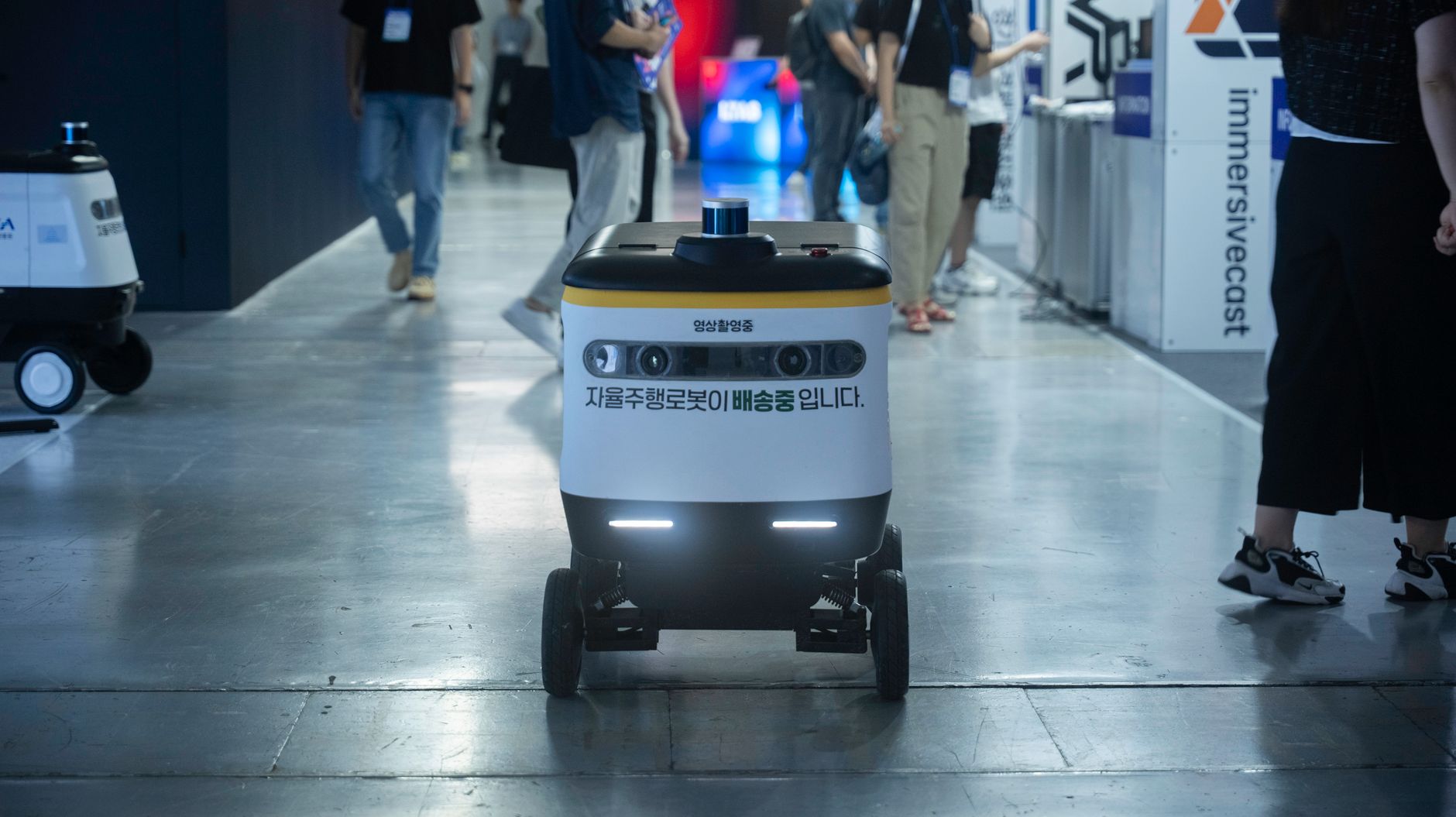
The Teamsters union, representing 340,000 UPS workers nationwide, is demanding a federally mandated workforce impact audit before the company expands the technology further. Union officials warn that without intervention, the automation push could displace approximately 1,200 workers by the first quarter of 2026.
The Technology Behind the Speed Gains
The AI sorting systems combine computer vision, robotic arms, and predictive algorithms to identify, sort, and route packages with minimal human oversight. Unlike earlier generations of conveyor automation, these systems adapt to package irregularities in real time — handling boxes of varying sizes, weights, and label orientations without manual intervention.
The 40% processing speed improvement represents a significant operational advantage in an industry where margins depend on throughput efficiency. During peak shifts, facilities equipped with the new systems can process thousands of additional packages per hour compared to traditional sorting operations.
UPS has confirmed the deployment across 12 hubs but has not publicly identified all locations. Facilities in major logistics corridors are believed to have been prioritized, targeting high-volume nodes where speed gains translate most directly into competitive advantage.
Teamsters Push for Federal Oversight
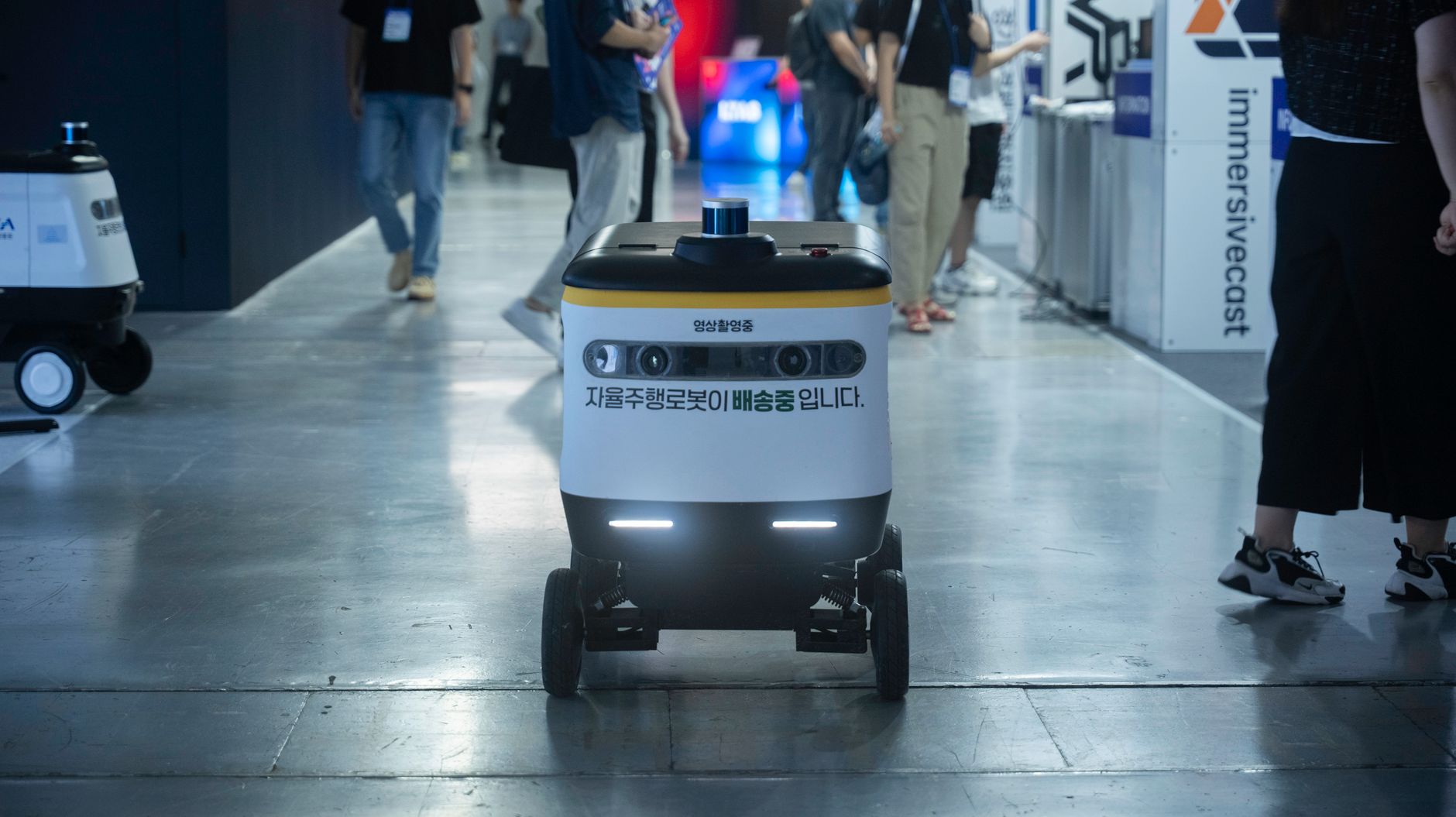
The Teamsters are not opposing automation outright — they are demanding transparency and worker protections before any further expansion. The union’s call for a labor audit centers on three core demands:
**Comprehensive job impact assessment**: A detailed analysis of how many positions will be eliminated, reclassified, or created across each affected facility and job category.
**Retraining and transition guarantees**: Binding commitments to retrain displaced workers for new roles within UPS, with wage and benefit protections maintained throughout any transition period.
**Federal oversight mechanism**: Independent auditing by the Department of Labor or a designated agency to verify compliance with any negotiated workforce protections.
The union argues that displacement at this scale — 1,200 jobs represents roughly 0.35% of UPS’s Teamsters-represented workforce — warrants government scrutiny, particularly given the accelerating pace of automation across logistics and warehousing.
“This isn’t about stopping progress,” one union official stated in recent member communications. “It’s about ensuring workers aren’t left behind when companies deploy technologies that fundamentally reshape how work gets done.”
The Broader Context of Logistics Automation
UPS’s expansion is part of an industry-wide shift. Logistics companies face mounting pressure to reduce costs and increase speed in an era of same-day delivery expectations and thin profit margins. Automation offers a path to both — but the workforce implications are substantial.
The deployment of AI sorting robots follows years of incremental automation in package handling, from conveyor systems to barcode scanners. What distinguishes the current generation is autonomy: these systems make real-time decisions and adjust operations without human input, reducing the need for workers to monitor and intervene.
For Teamsters members, the concern extends beyond immediate job losses. Automation can also reshape the nature of remaining work, potentially eroding skill requirements, wages, and long-term bargaining power. The union’s push for a formal audit reflects a broader strategic goal — establishing the precedent that large-scale automation rollouts should trigger mandatory review processes rather than proceed without public accountability.
What a Labor Audit Would Entail
A federally mandated impact audit, as envisioned by the Teamsters, would likely require UPS to document current staffing levels at affected facilities, project future staffing needs under full automation, and identify specific job categories at risk. The audit would also assess whether displaced workers could be absorbed into other roles, either at the same facilities or elsewhere within the UPS network.
Such audits are rare in the private sector, though precedents exist in industries that have undergone major technological transitions. The Teamsters are effectively arguing that the scale and speed of logistics automation justify treating it as a significant labor market event requiring regulatory oversight — comparable in seriousness to mass layoffs or plant closures.
Whether federal agencies have the authority or appetite to mandate such audits remains an open question. The union may also be positioning for leverage ahead of future contract negotiations, using the prospect of regulatory intervention to secure stronger automation language in collective bargaining agreements.
The Stakes for Workers and Industry
The UPS deployment is shaping up as a test case for how automation disputes will unfold across blue-collar industries. If the Teamsters succeed in securing an audit or stronger contractual protections, it could embolden unions in warehousing, manufacturing, and transportation to demand similar safeguards.
For UPS, the business case for AI sorting robots is straightforward: faster processing, lower labor costs, and competitive positioning against rivals investing heavily in the same technology. But the company also depends on a stable relationship with the Teamsters, whose members remain essential to operations that cannot yet be fully automated — package delivery chief among them.
The outcome of this dispute will likely hinge on whether the union can generate sufficient political pressure for federal intervention, or effectively leverage the issue at the bargaining table. For the 1,200 workers potentially facing displacement by early 2026, the stakes are immediate and personal.
Automation’s Reckoning in the Warehouse
The quiet expansion of UPS automation across 12 hubs has forced a public reckoning over who benefits from technological progress and who absorbs its costs. The Teamsters’ demand for a workforce impact audit directly challenges the assumption that companies can deploy labor-replacing technology without accountability or oversight.
As AI sorting robots demonstrate their value in speed and efficiency, the question is no longer whether automation will reshape logistics work — it is whether workers will have a meaningful voice in how that transformation unfolds. The answer may determine not just the future of 1,200 jobs at UPS, but the template for automation disputes across American industry.
Send free SMS worldwide
Reach any mobile number in 200+ countries from your browser. No signup, no app.
Send a free SMS →