India’s MeitY Proposes Mandatory AI Watermarking for All Synthetic Media — Platforms Have 90 Days to Comply
Every deepfake video that slips through a platform’s content filters, every AI-generated voice clip impersonating a politician, every synthetic image flooding a WhatsApp group before an election — India’s regulators have seen enough. The Ministry of Electronics and Information Technology is now moving to make invisible accountability visible, one watermark at a time.
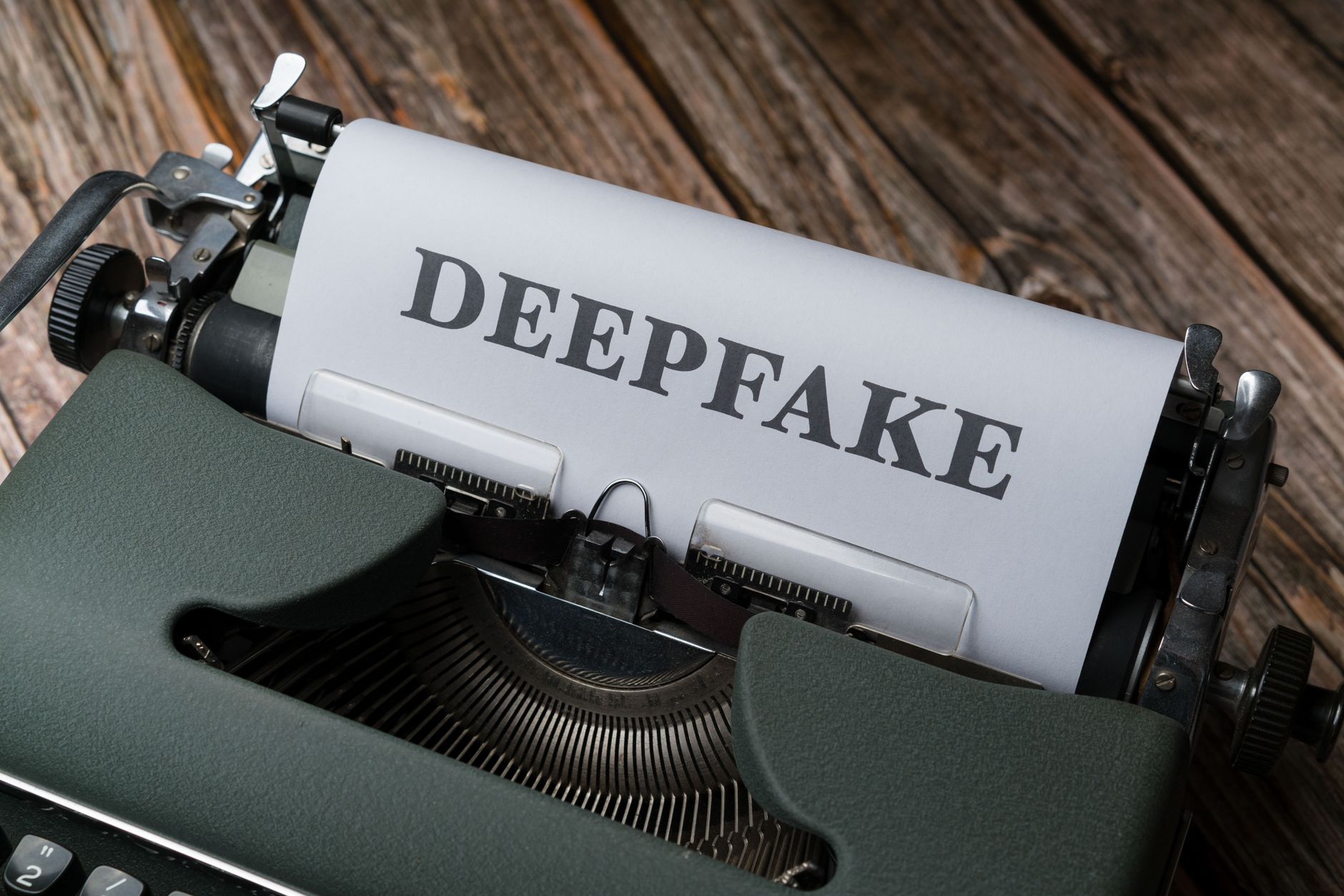
MeitY has circulated a draft rule that would require all AI-generated images, audio, and video distributed on Indian platforms to carry machine-readable watermarks. The deadline for platform compliance is set for Q4 2026, and the financial consequences for falling short are severe: fines of up to ₹50 crore per violation. For global giants like Meta and Google, and for homegrown platforms like ShareChat, the clock is already ticking.
What the Draft Rule Actually Proposes
At its core, the MeitY AI watermarking proposal targets synthetic media at the point of distribution, not just creation. Under the draft framework, any platform operating in India that hosts or transmits AI-generated content would be required to ensure that content carries an embedded, machine-readable identifier — one that persists through screenshots, re-uploads, and format conversions.
The rule draws a distinction between content created using generative AI tools and content that is merely edited using AI-assisted features. Fully synthetic outputs — images, audio clips, and video generated from scratch by AI models — would fall squarely within scope. The watermarks would need to meet technical standards specified by MeitY, likely aligned with emerging global frameworks such as the Coalition for Content Provenance and Authenticity (C2PA) protocol.
Platforms would have 90 days from the rule’s formal notification to implement compliant systems — a timeline that industry observers are already calling aggressive.
Why India Is Moving Now
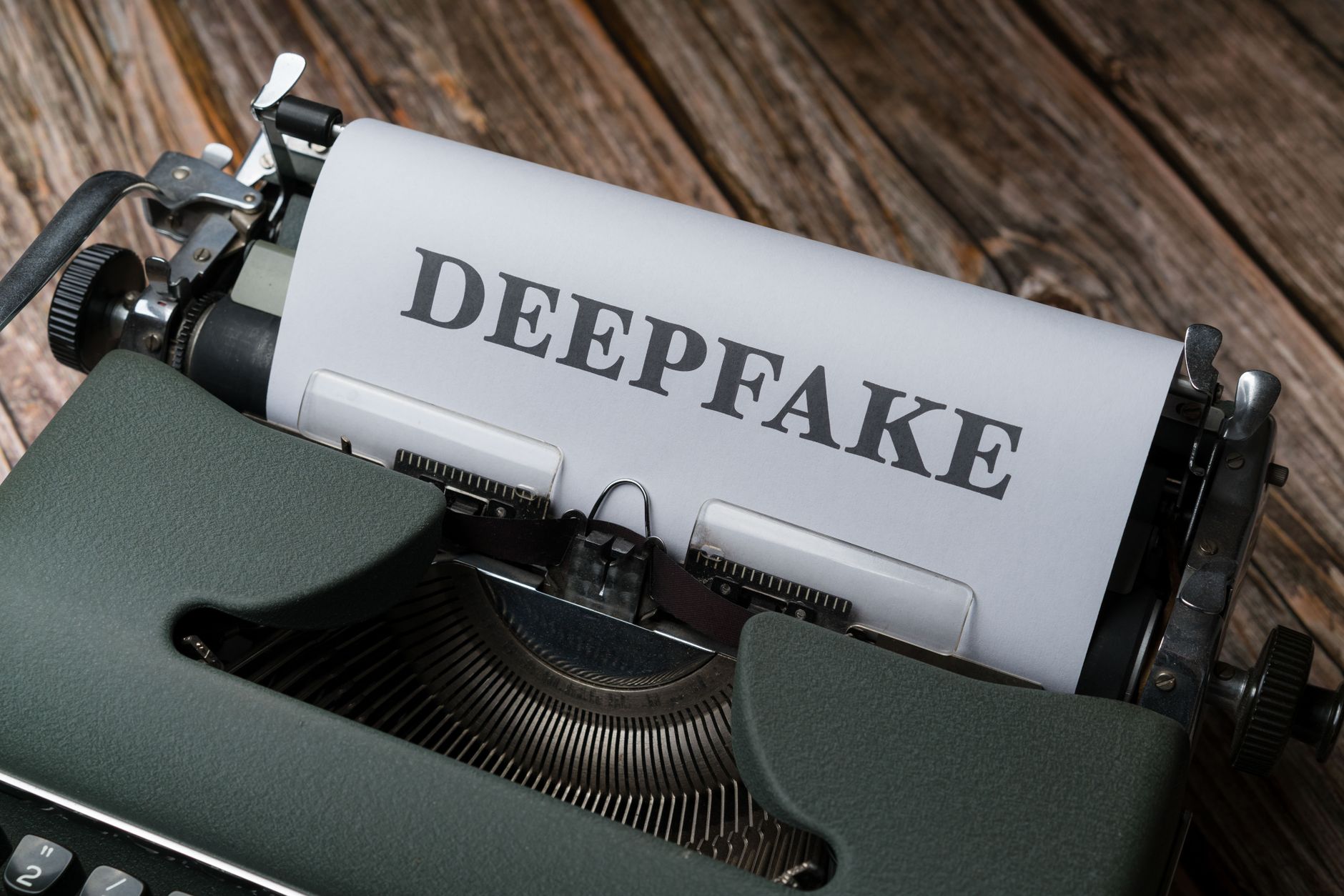
India’s push for synthetic media regulation is not happening in a vacuum. The country has witnessed a sharp rise in AI-generated misinformation targeting elections, public figures, and religious communities. Deepfake videos of political leaders making fabricated statements have circulated widely on social media, often reaching millions of users before takedowns occur.
Indian AI policy has been evolving rapidly since the government’s 2023 advisory to platforms on generative AI risks, but that guidance carried no enforcement mechanism. The proposed watermarking mandate represents a structural shift — moving from voluntary best practices to binding legal obligations backed by financial penalties.
The timing also reflects global momentum. The European Union’s AI Act includes provisions on synthetic media transparency. China has enforced deepfake labeling rules since 2022. The United States has seen a wave of state-level legislation. India’s regulators appear determined not to be the last major democracy to establish a legal floor for synthetic media accountability.
Who Faces the Most Pressure
The compliance burden falls unevenly across the ecosystem. For large platforms, the challenge is less about technical capability and more about retrofitting existing content pipelines at scale.
Meta, which operates Facebook, Instagram, and WhatsApp in India — one of its largest markets globally — already labels some AI-generated content using C2PA-compatible signals. However, extending that coverage to all synthetic media distributed through its systems, including content generated by third-party tools and uploaded by users, represents a significant operational undertaking.
Google faces similar complexity across YouTube and its broader suite of consumer products. The company has invested in SynthID, its own AI watermarking technology developed through Google DeepMind, but deployment across all content types and user-generated uploads remains an open engineering challenge.
For ShareChat and its short-video platform Moj, the compliance question is both technical and a matter of business model. A significant portion of content on these platforms is created using AI-powered filters and generation tools built directly into the apps. Ensuring that every piece of synthetic output carries a compliant watermark — without degrading user experience or reducing content velocity — will require meaningful product investment.
Smaller AI developer studios and content creation startups operating in India face a different kind of pressure: they may need to integrate watermarking at the generation layer, before content ever reaches a distribution platform.
The Technical and Legal Fault Lines
Platform compliance will not be straightforward, and the draft has already surfaced several contested questions.
First, there is the question of watermark robustness. Machine-readable watermarks can be stripped or degraded through compression, re-encoding, or deliberate adversarial attacks. Critics argue that without minimum technical standards for watermark persistence, the rule risks becoming a compliance checkbox rather than a genuine accountability mechanism.
Second, the 90-day implementation window has drawn concern from both global platforms and Indian startups. Building detection pipelines, integrating with content management systems, and training moderation teams is not a quarter-length project for platforms operating at hundreds of millions of users.
Third, jurisdictional questions remain unresolved. If a user in India uploads content generated by a foreign AI tool that does not embed watermarks, who bears liability — the user, the platform, or the tool provider? The draft rule’s current language places the obligation on the distributing platform, which may create friction with how liability is typically allocated under India’s existing IT Act framework.
What Comes Next
MeitY is expected to open the draft rule for public consultation before formal notification. Industry bodies representing both global technology companies and Indian startups are preparing submissions, and the coming months will likely see significant lobbying around technical standards, the compliance timeline, and the penalty structure.
The broader significance of this moment extends beyond any single regulation. India is home to one of the world’s largest and fastest-growing digital populations. The standards it sets for synthetic media will influence how AI-generated content is governed not only within its borders, but across Global South markets that frequently follow India’s regulatory lead.
For platforms, developers, and creators operating in this space, the message from MeitY is unambiguous: synthetic media without accountability is no longer a policy gray area in India. The watermark is coming — and the fine for ignoring it is not a rounding error.
Send free SMS worldwide
Reach any mobile number in 200+ countries from your browser. No signup, no app.
Send a free SMS →