India’s IT Ministry Issues 72-Hour AI Compliance Deadline to Major Platforms Over Deepfake Election Content
**As India’s election season intensifies, the government has drawn a hard line: remove AI-generated deepfakes targeting candidates within 72 hours — or face fines, liability, and the threat of being blocked entirely.**
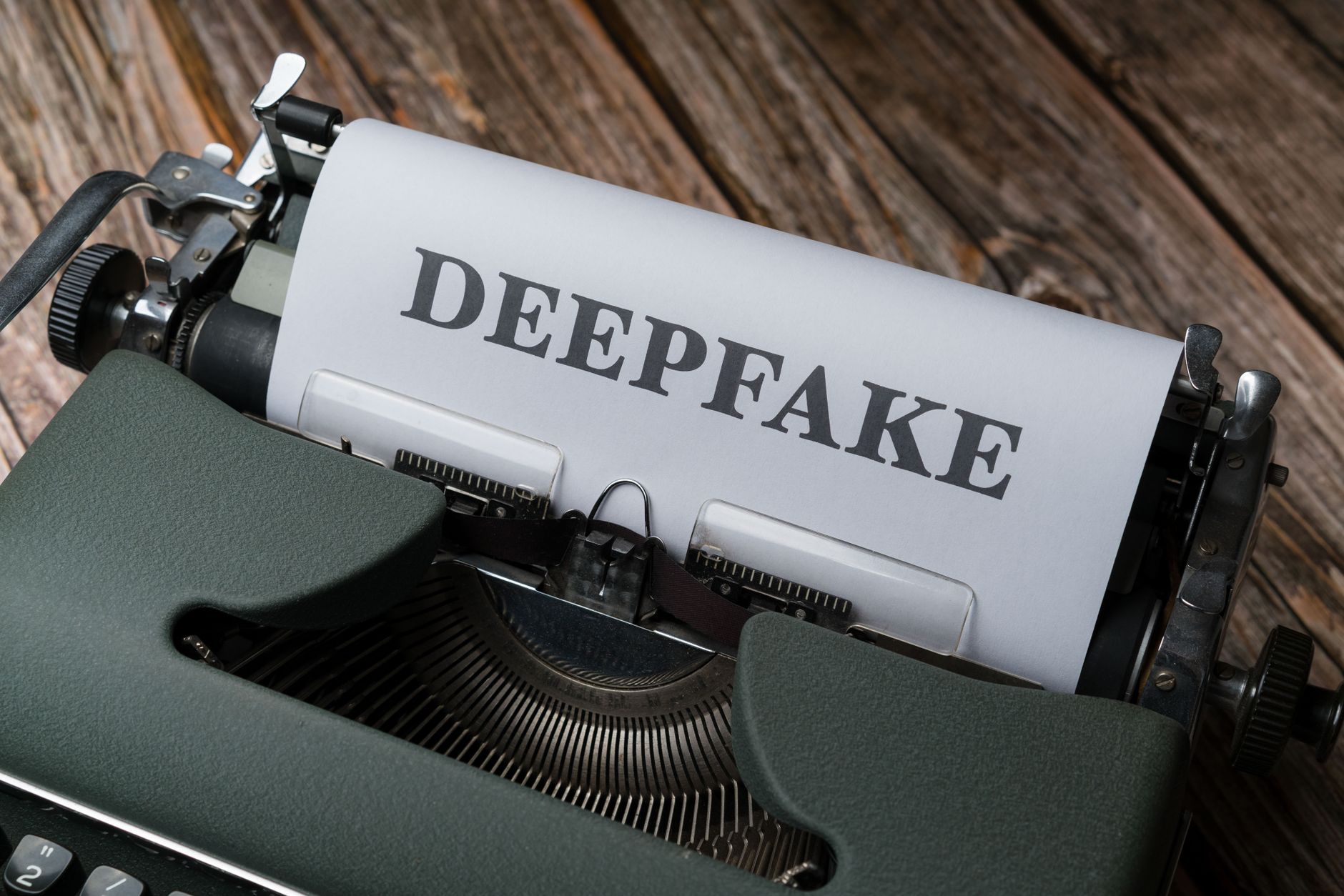
The Ministry of Electronics and Information Technology (MeitY) has issued formal compliance notices to Google, Meta, and X, demanding the swift removal of AI-generated deepfake content that misrepresents election candidates. Backed by provisions under the Information Technology Act and the IT (Intermediary Guidelines and Digital Media Ethics Code) Rules, 2021, the notices represent one of the most assertive moves yet in India’s evolving approach to AI regulation.
—
What the Notices Demand
The 72-hour compliance window requires platforms to identify, flag, and remove deepfake videos, audio clips, and synthetic images that falsely depict political candidates — whether fabricating speeches, altering appearances, or manufacturing endorsements. Platforms must also report back to MeitY confirming the content has been taken down and provide details on the mechanisms used to detect such material.
Failure to comply carries serious consequences. Under the amended IT Rules, platforms that do not act within the stipulated timeframe risk losing their “safe harbour” protections — the legal shield that ordinarily insulates intermediaries from liability for third-party content. Beyond that, non-compliant platforms face fines of up to ₹50 crore and, in extreme cases, an outright ban from operating within Indian territory.
—
Why Deepfakes Pose a Specific Threat to Indian Elections
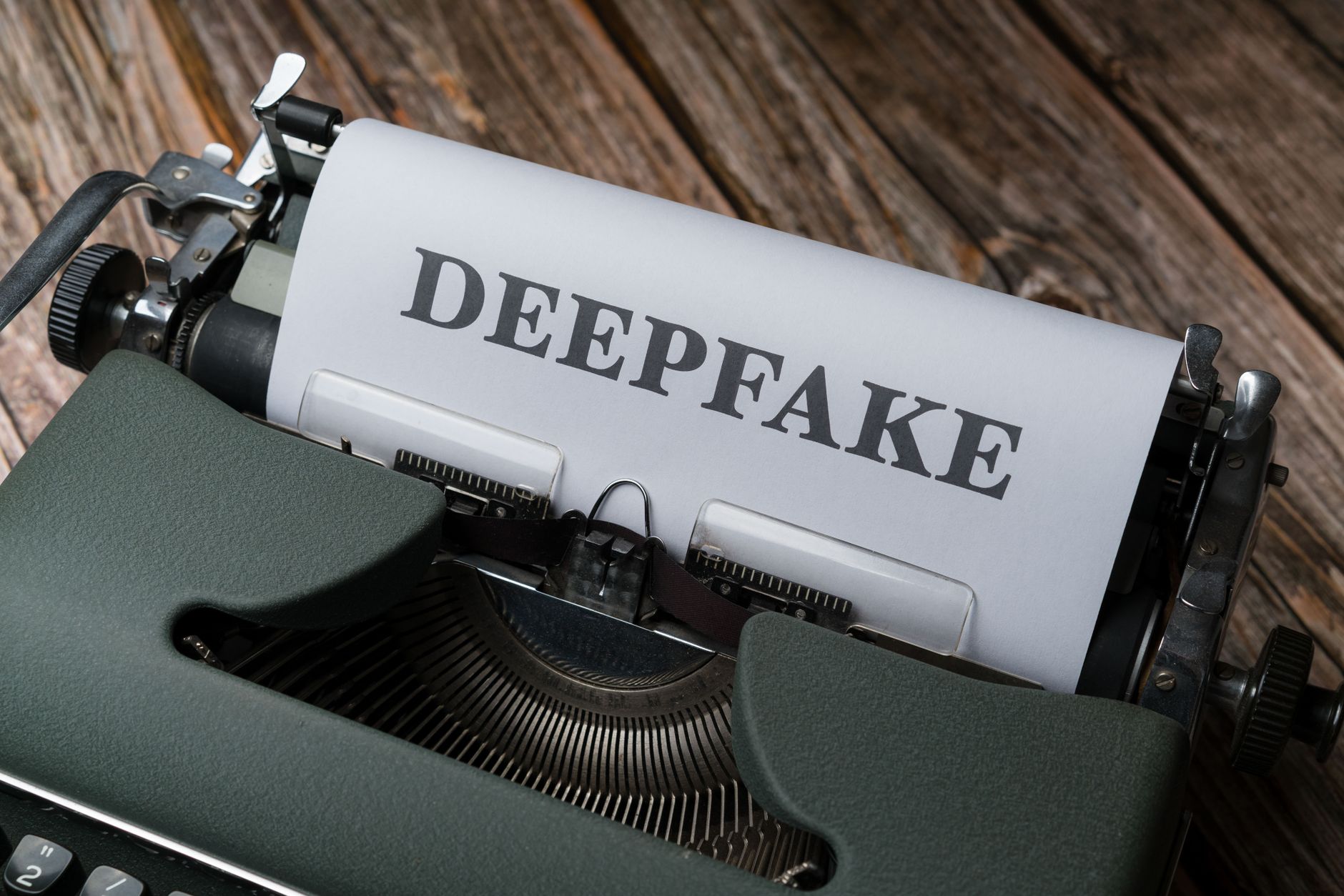
India’s electoral landscape — the largest democratic exercise in the world — is uniquely vulnerable to AI-generated disinformation. With hundreds of millions of voters spread across diverse linguistic regions, a single viral deepfake can travel far faster than any fact-check. The concern is not hypothetical. Synthetic media depicting political figures making inflammatory statements or false promises has already surfaced on social media platforms during recent state elections.
The threat is compounded by the growing accessibility of generative AI tools. What once required sophisticated production resources can now be produced with a smartphone app and a few minutes of source footage. For bad actors seeking to suppress voter turnout, incite communal tension, or damage a candidate’s reputation in the final hours before polling, deepfakes represent a low-cost, high-impact weapon.
—
The Legal Framework Behind the Action
MeitY’s action draws on existing provisions within the IT Act, 2000, and the 2021 Intermediary Guidelines, which classify major social media platforms as “significant social media intermediaries” — a designation that carries heightened due diligence obligations. The ministry has previously issued advisories warning platforms about AI-generated content, but this notice marks a clear shift from guidance to enforcement.
The compliance notice also references the Election Commission of India’s Model Code of Conduct, which prohibits content that misrepresents candidates or spreads misinformation during the election period. By linking platform obligations to electoral law, MeitY is effectively establishing a dual accountability structure — one that operates through both technology regulation and the protection of democratic processes.
—
Platform Responses and the Pressure to Act
Google, Meta, and X have each developed internal policies addressing synthetic and manipulated media, but enforcement has been inconsistent. Critics argue that algorithmic amplification routinely outpaces moderation, allowing deepfake content to accumulate millions of views before it is removed. The 72-hour window is designed to compress that gap — though it also raises legitimate questions about the scalability of human review processes during a high-volume election period.
India’s approach to AI regulation has historically relied on a combination of platform self-governance and reactive government intervention. This notice signals a more proactive posture. Industry observers note that the threat of losing safe harbour protections is particularly significant: it would effectively transform platforms from passive hosts into active publishers in the eyes of the law, dramatically increasing their legal exposure for content that remains live beyond the deadline.
—
What This Means for Voters and Democratic Integrity
For ordinary Indian voters, the practical implication is clear: content encountered on social media during the election period should, in theory, be subject to faster and more rigorous scrutiny. But the effectiveness of the notice depends entirely on enforcement — and on whether platforms have the technical infrastructure to detect AI-generated content at scale across India’s many languages.
Civil society organisations and digital rights groups have broadly welcomed the intent behind the notice while raising important concerns about transparency. Who determines what qualifies as a deepfake? What appeals process exists for content that is wrongly flagged? And will the same standards apply uniformly across political parties and candidates, regardless of their relationship with the ruling government?
These are not abstract questions. The answers will shape public trust in both the platforms and the electoral process itself.
—
A Defining Moment for AI Governance in India
India’s 72-hour ultimatum to Big Tech is more than an election-season measure — it is a signal about the direction of AI governance at a critical juncture. As countries worldwide grapple with how to regulate synthetic media, India is opting for direct regulatory intervention backed by credible financial and operational consequences.
Whether platforms meet the deadline, and whether MeitY follows through on enforcement if they do not, will determine the credibility of this framework for years to come. A platform ban may be a drastic outcome, but the willingness to invoke it reflects a government that is no longer content to treat deepfake disinformation as a problem for platforms to manage alone.
The integrity of India’s democracy — and the precedent set for AI governance globally — may well depend on what happens in the next 72 hours.
Send free SMS worldwide
Reach any mobile number in 200+ countries from your browser. No signup, no app.
Send a free SMS →