Burna Boy’s $10M Stadium Deal Signals a New Era of African Artists Owning Their Live Revenue Infrastructure
For decades, the most powerful move in the Western music business wasn’t writing a hit — it was owning the room where the hit gets performed. Burna Boy appears to have read that playbook carefully.
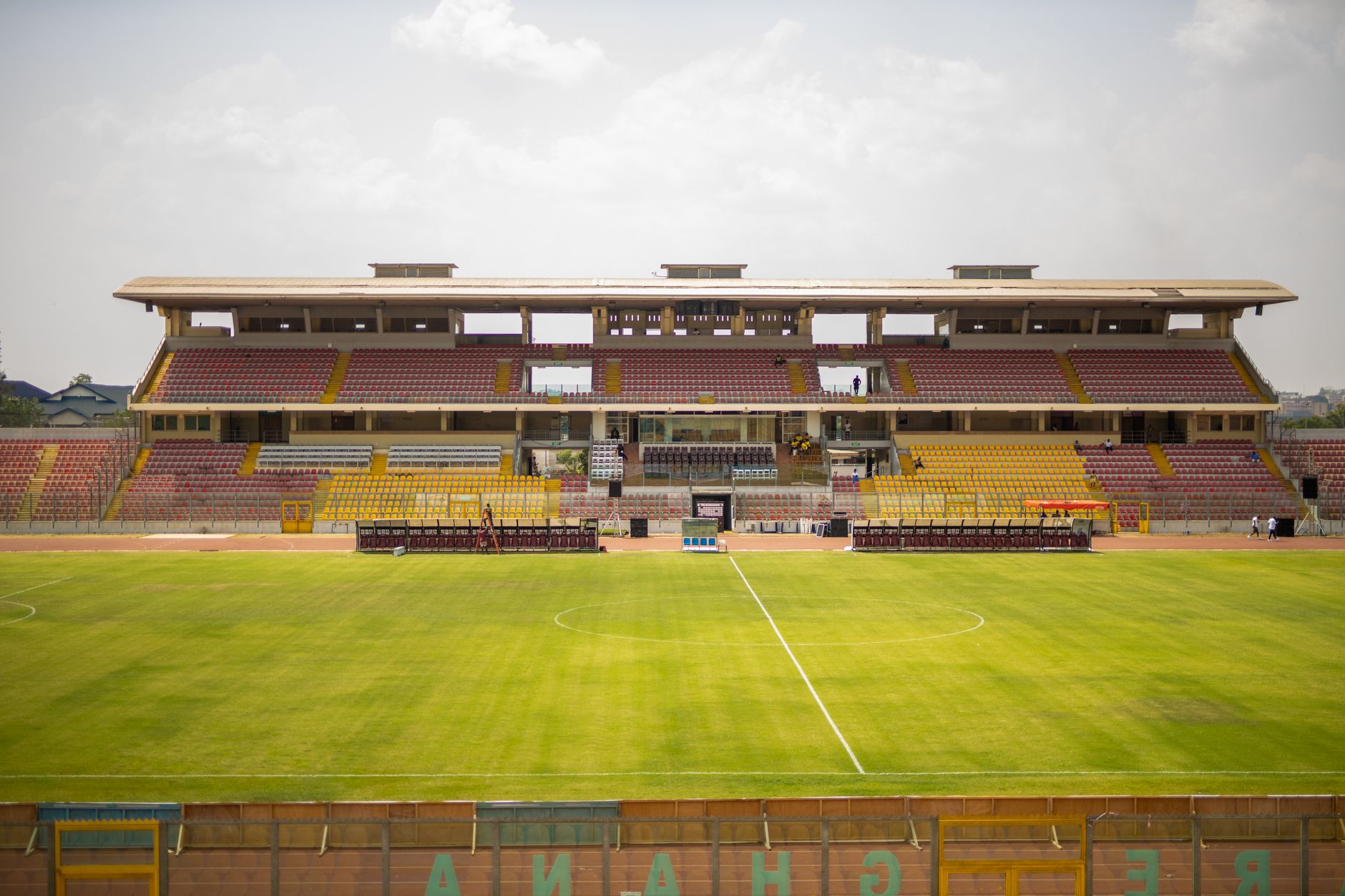
Reports of the Grammy-winning Afrobeats superstar taking a co-ownership stake in a Lagos entertainment venue complex, valued at approximately $10 million, represent something far more significant than a celebrity vanity investment. This is a structural bet on who captures value in the African live music economy — and a signal that the continent’s biggest artists are done leaving margin on the table.
—
The Economics Behind the Move
Touring has always been the primary income engine for artists in markets where streaming payouts remain fractional. But touring fees and venue ownership are entirely different financial instruments.
When an artist collects a performance fee, they are selling labor. When an artist owns or co-owns a venue, they collect rent, ticketing commissions, food and beverage margins, sponsorship premiums, and long-term real estate appreciation — every time *anyone* performs, not just themselves.
For Burna Boy, whose global touring profile already commands some of the highest guarantees of any African artist in history, adding venue infrastructure to his portfolio means converting brand equity into a compounding asset rather than a one-time transaction. The live revenue implications extend well beyond his own concert calendar.
—
Jay-Z’s Tidal Playbook, Rewritten for Lagos
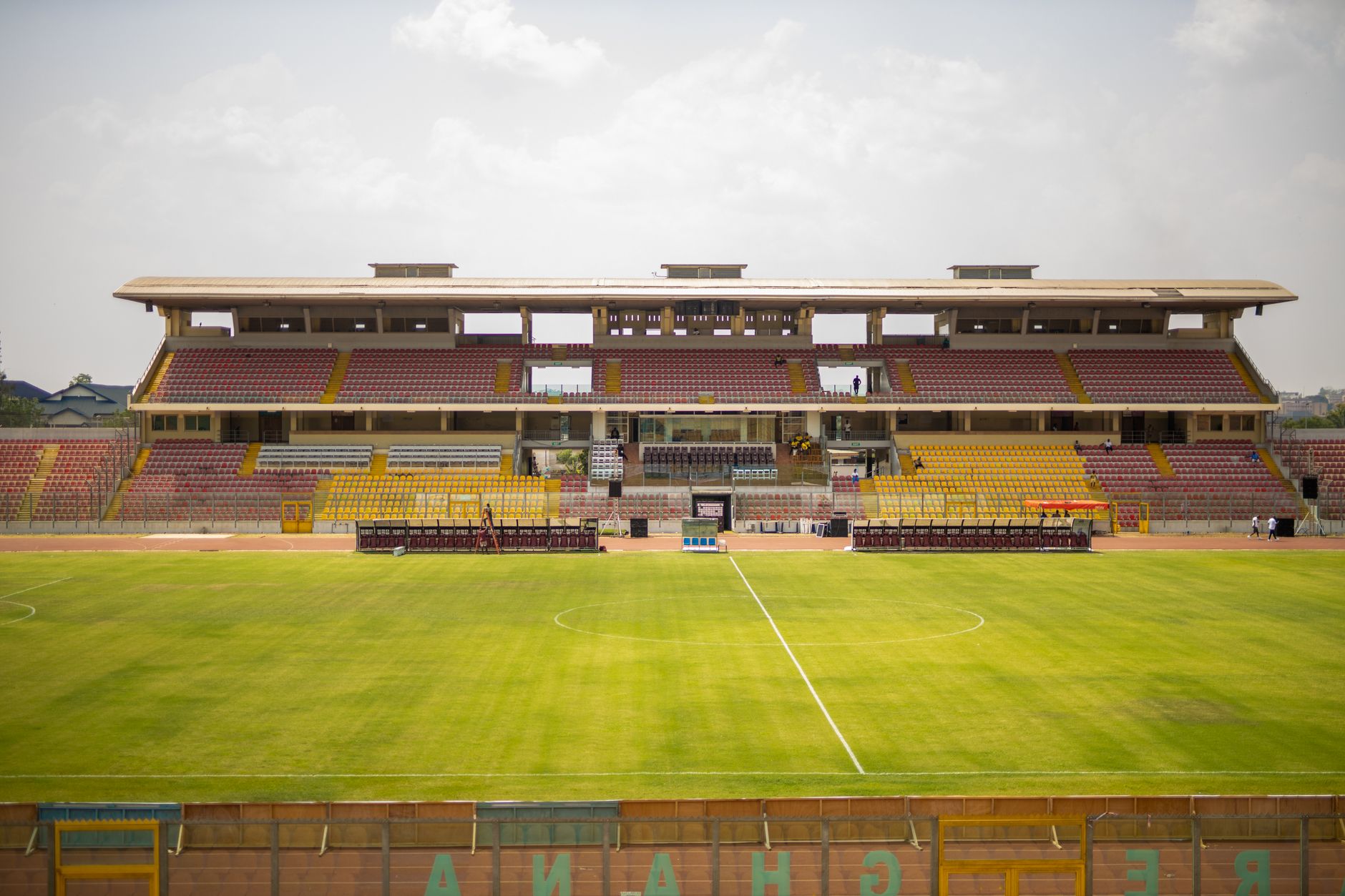
The comparison to Jay-Z is instructive, though the context demands its own framing. When Jay-Z acquired Tidal in 2015 and later sold a significant stake to Square, the strategic logic was vertical integration — owning a distribution layer so that artist revenue didn’t have to flow entirely through platforms controlled by others.
Burna Boy’s reported venue stake follows the same instinct, applied to live infrastructure rather than streaming. The African music industry has historically exported its biggest stars to Western touring circuits while domestic live infrastructure remained underdeveloped and largely controlled by promoters and venue operators with little connection to the artists themselves.
Owning a piece of that infrastructure in Lagos — Africa’s largest city and one of its most commercially dynamic entertainment markets — is a direct intervention in that dynamic. It is Afrobeats business strategy catching up to the scale of Afrobeats cultural influence.
—
Why Lagos, Why Now
The timing is not accidental. Lagos has seen a measurable surge in large-scale live entertainment investment over the past several years. International promoters have taken notice. Streaming numbers from Nigerian artists have attracted global label attention. And a growing Nigerian middle class, with rising disposable income and appetite for premium live experiences, has created genuine commercial demand.
What has lagged is world-class venue infrastructure capable of hosting stadium-level events with the production quality international audiences expect. That gap is both a problem and an opportunity. For an artist with Burna Boy’s global credibility, stepping into it with capital and co-ownership positions him as an infrastructure builder, not merely a performer passing through.
Venue co-ownership also reshapes booking negotiations. An artist with an equity stake has a fundamentally different conversation with promoters than a hired act does.
—
What This Means for the Next Tier of African Artists
The more consequential story may not be about Burna Boy at all. It is about what his move signals to the artists currently climbing behind him.
For mid-tier Afrobeats, Afropop, and Amapiano artists — those with regional followings and growing streaming numbers but without a superstar’s global touring guarantees — the traditional path to sustainability has been narrow. Record deals that favor labels, streaming economics that reward volume over depth, and live revenue that flows primarily to promoters and venue operators have made it genuinely difficult to build durable careers.
If venue ownership becomes a recognized model within the African music industry, it creates a new template. Artist collectives, management companies, and even fan-backed investment structures could apply similar logic at smaller scales — owning mid-size venues, controlling ticketing infrastructure, or taking equity stakes in festival properties.
The creator economy investment community has already demonstrated appetite for artist-backed business models across other verticals. Live revenue infrastructure in high-growth African entertainment markets represents a credible next frontier for that capital.
—
The Risks Are Real
Venue ownership is not a passive investment. It carries operational complexity, regulatory exposure, security costs, and the sustained challenge of building consistent programming pipelines in markets where consumer spending can be volatile.
There is also the question of whether an artist’s brand can absorb the transition from beloved performer to venue stakeholder without friction. Fans and fellow artists will watch closely to see whether Burna Boy’s infrastructure play creates opportunity across the ecosystem — or consolidates power in ways that replicate the extractive dynamics he is ostensibly disrupting.
Execution will determine the legacy of this move far more than the announcement itself.
—
A Defining Moment for Afrobeats Business
The African music industry is at an inflection point that arrives only once in a generation. The cultural product — the music, the artists, the aesthetic — has achieved undeniable global reach. The business infrastructure is still being built.
Burna Boy’s reported $10 million venue stake is a declaration that African artists intend to be architects of that infrastructure, not tenants within it. Whether this becomes a singular exception or the opening move of a broader ownership era will depend on how the artists, investors, and institutions around him respond.
The room is being built. The question now is who holds the deed.
Send free SMS worldwide
Reach any mobile number in 200+ countries from your browser. No signup, no app.
Send a free SMS →