India’s AI Regulation Showdown: Why a $6.2B Tech Sector Is Bracing for the World’s Strictest Deepfake Laws
Imagine a fabricated video of a sitting prime minister declaring war going viral across WhatsApp at 2 a.m. By the time fact-checkers wake up, it has reached 50 million phones. Under India’s proposed Digital India Act, the platform hosting it would have roughly 72 hours to act — or face criminal liability. No major platform in the world is currently built to meet that standard.
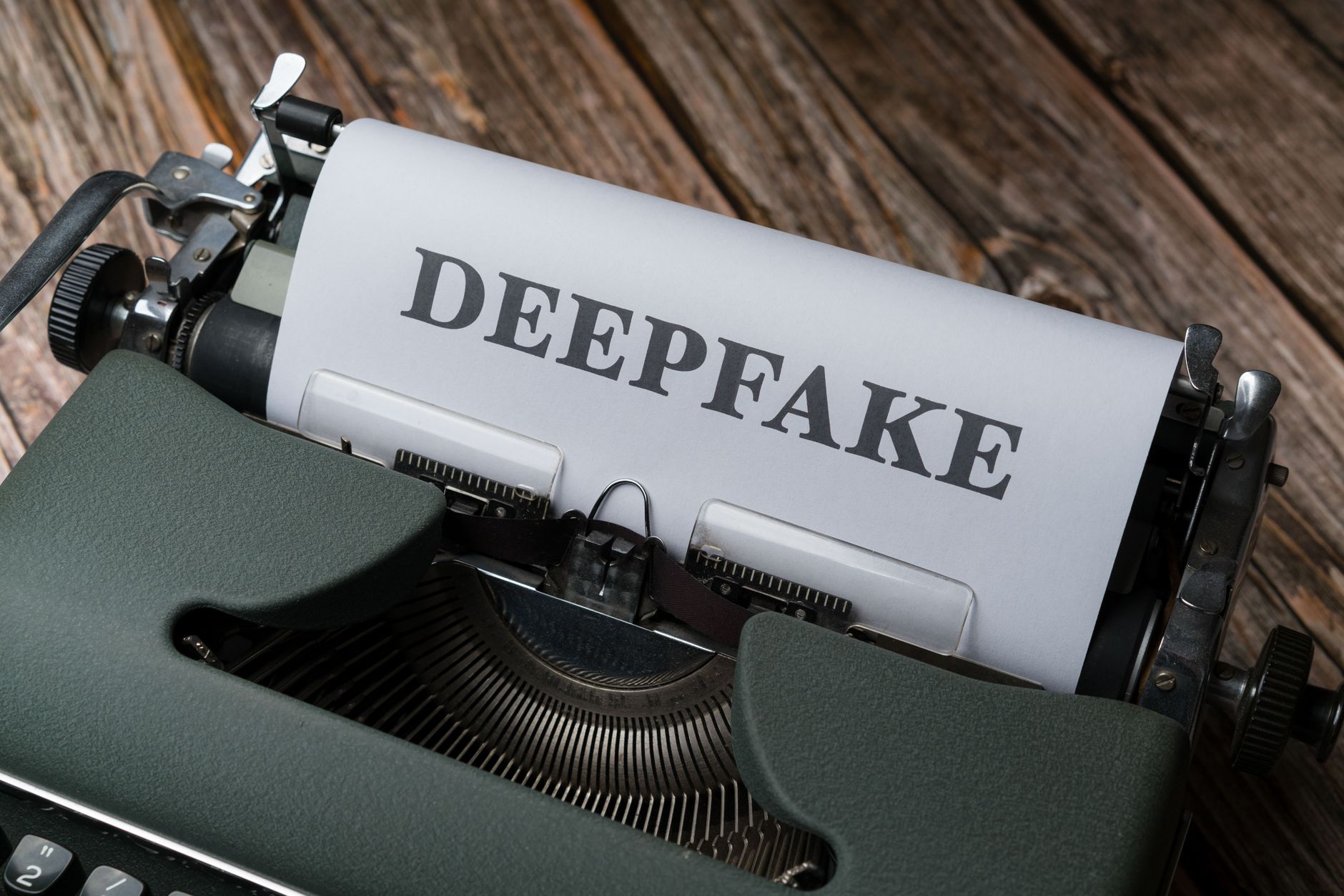
That gap between regulatory ambition and operational reality is now the fault line splitting India’s $6.2 billion AI investment pipeline, setting global tech giants against homegrown startups, and positioning the world’s most populous democracy as either a global regulatory model or a cautionary tale.
What the Digital India Act Actually Proposes
The Digital India Act — India’s long-anticipated replacement for the Information Technology Act of 2000 — is designed to govern a digital landscape its predecessor could not have imagined. Among its most consequential provisions is a deepfake regulatory framework that would hold platforms criminally liable for AI-generated synthetic media causing demonstrable harm, with a 72-hour detection-and-removal window as the compliance benchmark.
That window is not a soft guideline. Drafts circulated among policy stakeholders suggest penalties could include fines scaled to global revenue and, in aggravated cases, criminal prosecution of senior platform executives. The intent is unambiguous: make inaction costly enough that platforms build proactive detection infrastructure rather than waiting for user reports.
The Act also introduces tiered AI liability, drawing a distinction between platforms that host content passively and those that algorithmically amplify it. A platform whose recommendation engine pushes a deepfake to millions of users would face a higher liability threshold than one where the content simply exists. That distinction has significant implications for how companies design and architect their products.
Why 72 Hours Is a Problem No One Has Solved
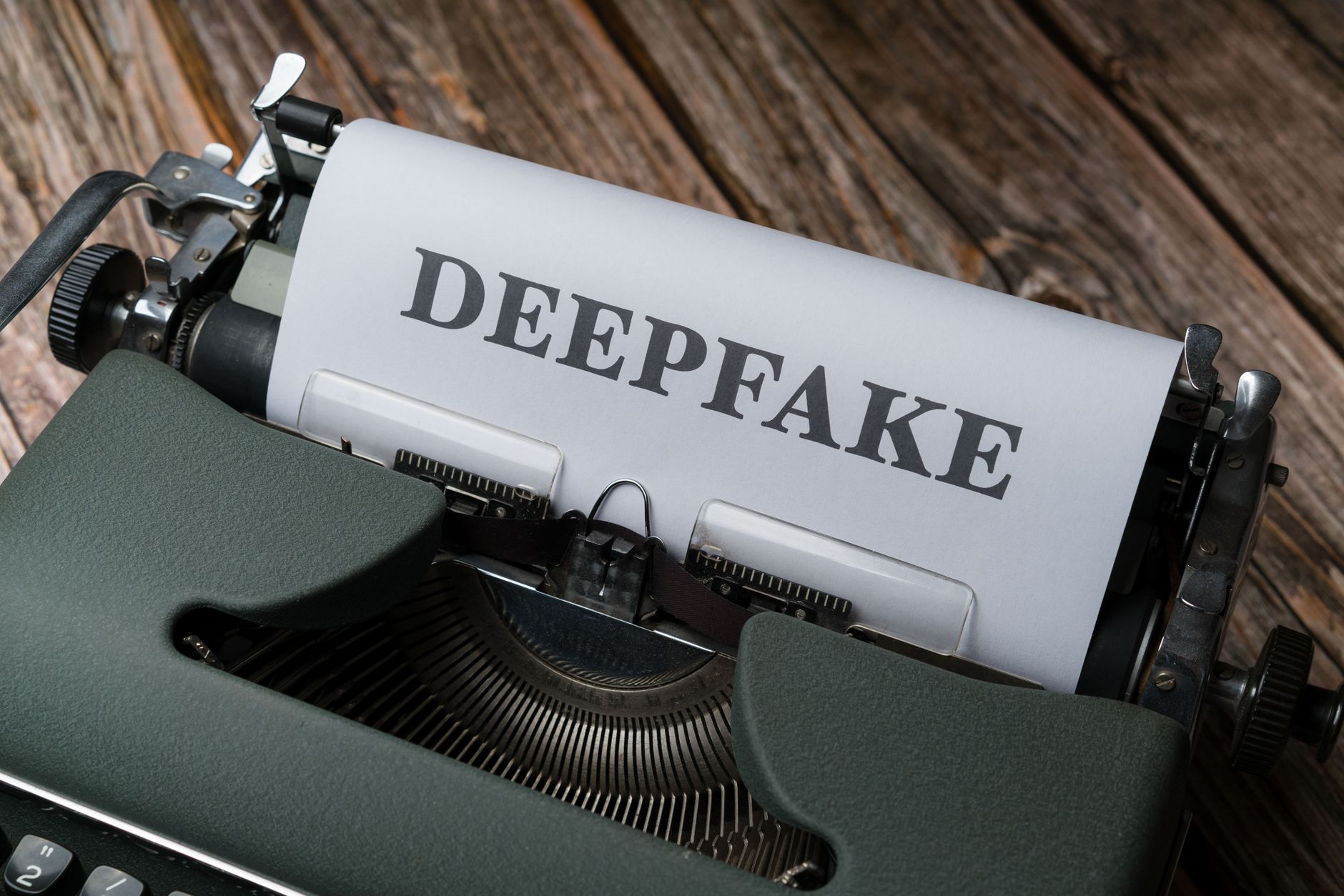
Platform compliance with any deepfake standard remains more aspiration than engineering reality. Detection tools exist — Google, Microsoft, and several Indian AI startups have developed synthetic media classifiers — but accuracy rates vary considerably depending on video quality, language, and the sophistication of the generative model involved.
The 72-hour window compounds the difficulty. Content moderation at scale operates across millions of daily uploads, in dozens of Indian languages, across platforms ranging from YouTube to regional short-video apps. Building a pipeline that can reliably identify AI-generated content, assess harm, escalate for human review, and execute removal within three days — consistently, not occasionally — demands infrastructure investments that smaller platforms simply cannot absorb.
For global platforms like Meta, the compliance cost is painful but manageable. For the next generation of Indian social platforms attempting to fill the void left by the decline of Twitter alternatives such as Koo, the same requirements could function as a market-entry barrier that entrenches incumbents and stifles domestic competition.
The Lobbying Battle Taking Shape
India’s tech sector is not accepting these proposals quietly. Industry bodies including the Internet and Mobile Association of India have pushed for safe harbor provisions protecting platforms that act in good faith, arguing that criminal liability for executives creates a chilling effect on investment and innovation.
Global platforms are advancing similar arguments through diplomatic back channels, pointing to the European Union’s AI Act as a comparative framework that imposes meaningful obligations without exposing individual executives to criminal prosecution. Their preferred model involves regulatory sandboxes, graduated compliance timelines, and civil rather than criminal enforcement mechanisms.
On the other side of the debate, digital rights organizations and journalism groups argue that voluntary frameworks have demonstrably failed. India experienced a significant surge in AI-generated misinformation during recent election cycles, and existing IT rules proved inadequate to address synthetic media at speed. For these advocates, criminal liability is not overreach — it is the only lever that has historically moved platform behavior.
India as a Regulatory Bellwether
What happens in New Delhi does not stay in New Delhi. With 650 million internet users and a trajectory toward becoming the world’s largest online population, India’s regulatory choices carry disproportionate global weight. Platforms that restructure their content moderation architecture to meet Indian compliance standards will effectively be building systems applicable across emerging markets from Southeast Asia to Sub-Saharan Africa.
Regulators in Brazil, Nigeria, and the European Parliament are actively monitoring India’s approach to deepfake regulation and AI liability as they develop their own frameworks. If the Digital India Act passes in its current form and survives legal challenge, it will represent the most aggressive statutory standard for synthetic media governance anywhere in the world — and a template others may be quick to follow.
Conversely, if the law triggers platform withdrawals, investment flight, or constitutional challenges on free expression grounds, it will serve as a warning about the limits of punitive regulation in a sector that consistently moves faster than legislative cycles.
What Comes Next
The Digital India Act is expected to move toward parliamentary consideration in the coming legislative sessions, though its timeline has slipped before. The Ministry of Electronics and Information Technology continues to consult with stakeholders, and the final text may soften some of the more aggressive liability provisions in response to sustained industry pressure.
The direction of travel, however, is unmistakable. India is signaling that the era of platforms self-regulating AI-generated content is over. The question is no longer whether deepfake regulation will arrive — it is whether the compliance infrastructure being demanded actually exists, and who will bear the cost of building it.
The Stakes Are Too High for Half Measures
The Digital India Act represents a genuine inflection point for global AI governance. If it works — if platforms build detection infrastructure that reliably catches harmful synthetic media within 72 hours — it will demonstrate that aggressive statutory standards can drive real engineering change. If it fails, through non-compliance, legal challenge, or platform exodus, it risks setting back the cause of meaningful deepfake regulation far beyond India’s borders.
For the Indian tech sector, for global platforms, and for the 650 million users whose information environment hangs in the balance, the outcome of this regulatory showdown will carry consequences long after the final text is published. The world is watching, and the clock is already running.
Send free SMS worldwide
Reach any mobile number in 200+ countries from your browser. No signup, no app.
Send a free SMS →