Columbus Smart Grid Pilot Cuts Outage Times by 34% — And AEP Wants to Scale It Nationally
When the lights go out in Columbus, every minute matters. For the 47,000 households on the city’s east side, those minutes used to add up to an average of 94 before power was restored. Now, after an 18-month smart grid pilot run by AEP Ohio, that figure has dropped to 62 minutes — a 34% improvement that is reshaping how utility companies think about the future of American power infrastructure.
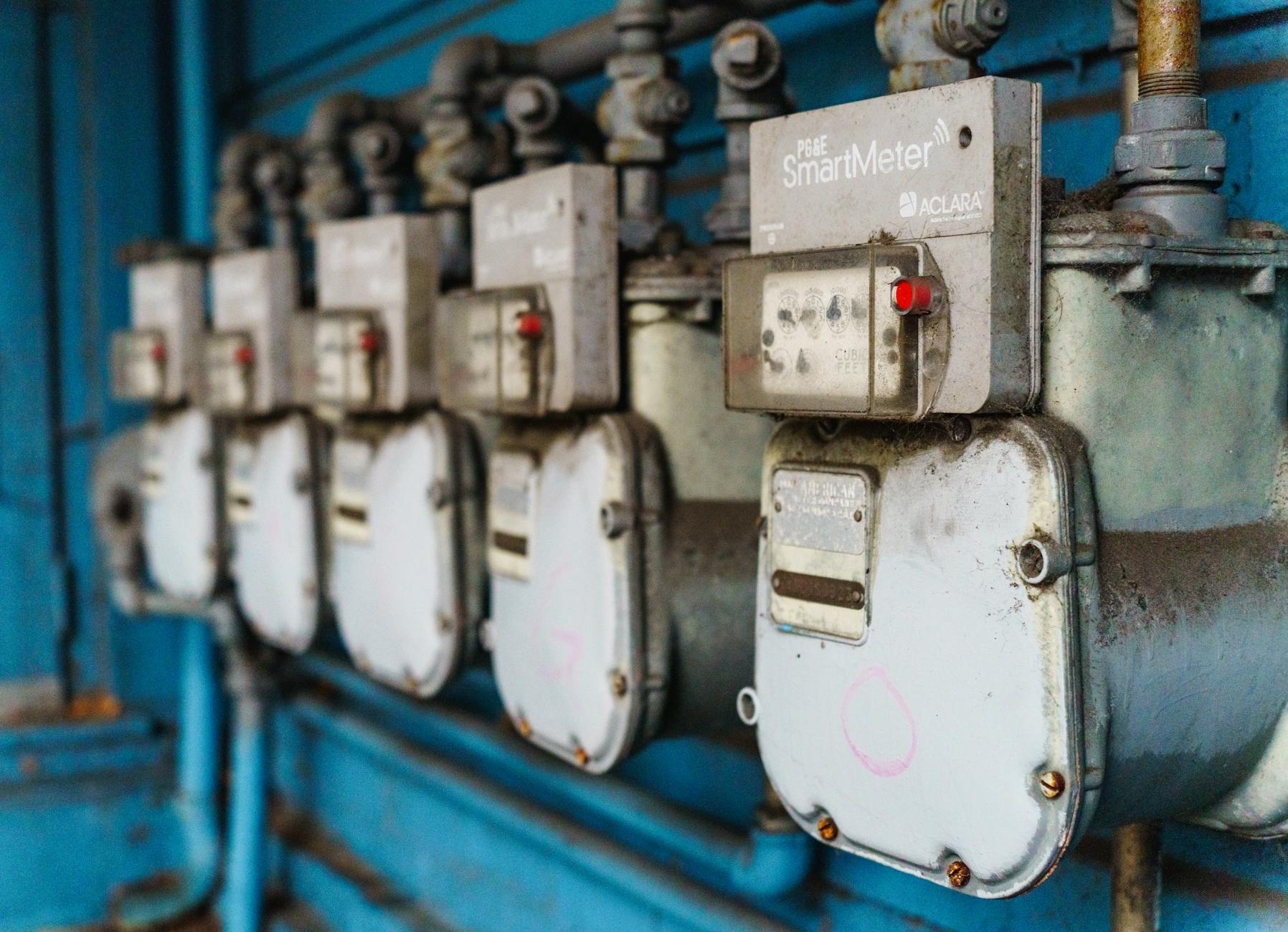
The results are difficult to argue with. And AEP is not planning to stop in Columbus.
—
What the Pilot Actually Did
Launched across a defined corridor of Columbus’s east side, the pilot program embedded a network of intelligent sensors, automated switching equipment, and real-time data analytics into the existing power grid. Rather than waiting for customers to report outages — and then dispatching crews to manually locate and isolate faults — the upgraded system detects disruptions automatically, reroutes power around problem areas, and pinpoints the exact location of failures within seconds.
The practical effect has been significant. Restoration times fell from 94 minutes to 62 minutes on average across the pilot zone. For households dependent on medical equipment, small businesses losing revenue by the hour, or families with young children during an Ohio winter, that 32-minute difference is not a minor footnote. It is a meaningful, measurable improvement in quality of life delivered at scale.
The infrastructure upgrades also produced tangible cost savings. AEP Ohio reports that operational costs across the pilot area dropped by approximately $11 million annually — driven by fewer truck rolls, more efficient crew deployment, and a significant reduction in manual diagnostic work.
—
Why Grid Modernization Is Overdue in the Midwest
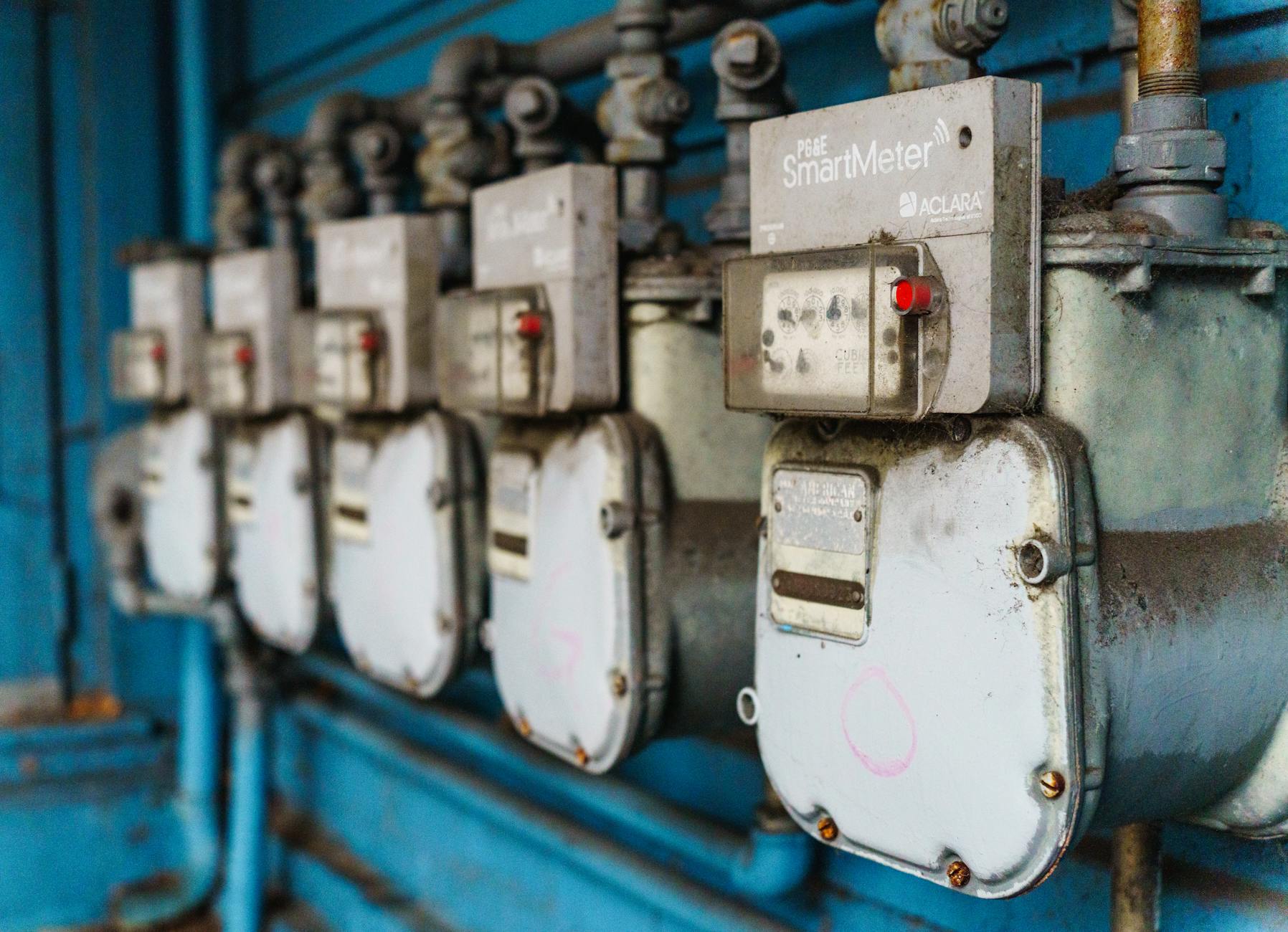
Ohio’s power grid, like much of the Midwest’s, was built for a different era. Decades-old infrastructure designed around centralized generation and one-way power flow was never engineered to handle today’s energy landscape — one that includes distributed solar generation, electric vehicle charging loads, and increasingly severe weather events that stress the system in ways its original designers could not have anticipated.
Grid modernization is not a luxury upgrade. It is a structural necessity. Aging equipment fails more frequently, takes longer to repair, and costs more to maintain. The Columbus pilot demonstrated that targeted investment in smart grid technology can reverse that trajectory — not theoretically, but in a real neighborhood where real customers noticed the difference.
AEP Ohio’s approach also offers a replicable model rather than a one-off experiment. The east Columbus corridor was chosen in part because its infrastructure profile — a mix of residential density, aging equipment, and load variability — closely mirrors conditions found across dozens of Midwestern cities. That was by design.
—
The $380 Million Federal Ask
Encouraged by the Columbus results, AEP is now pursuing $380 million in federal infrastructure funding to extend the smart grid model to three additional cities: Cincinnati, Cleveland, and Pittsburgh. The funding request targets programs established under the federal infrastructure law, which allocated substantial resources specifically for grid resilience and modernization.
If approved, the expansion would bring the same automated fault detection, real-time monitoring, and rapid restoration capabilities to hundreds of thousands of additional customers across Ohio and western Pennsylvania. In that scenario, Columbus becomes more than a success story — it becomes the operational blueprint for a broader Midwest grid transformation.
For Ohio ratepayers, the federal funding question carries direct financial stakes. Infrastructure investments of this scale are typically recovered through rate structures over time. Federal grants reduce the portion passed on to customers, making the case for securing that funding not merely a policy abstraction but a household budget concern.
Municipal officials in Cincinnati and Cleveland are watching closely. Cities that have long struggled with aging infrastructure and persistent reliability complaints have a direct interest in whether AEP’s federal application succeeds — and how quickly deployment could follow.
—
What Columbus Residents Should Know
For east Columbus residents who lived through the pilot period, the improvements may have already felt tangible: faster restoration after storms, fewer prolonged outages during peak summer demand. What many may not realize is that their neighborhood’s experience is now being studied as a national model.
AEP Ohio has confirmed that the smart grid infrastructure installed during the pilot is permanent. The sensors, automated switches, and data systems are not being removed. The east side grid will continue operating under the upgraded framework regardless of the outcome of the federal expansion funding request.
For residents outside the pilot zone — on Columbus’s west side, in surrounding suburbs, or in smaller Ohio communities served by AEP — the question is when, not whether, similar upgrades might reach their neighborhoods. The answer depends significantly on federal funding decisions expected later this year.
—
A Blueprint Worth Building On
The Columbus pilot succeeded because it was designed with measurable outcomes in mind from the start: outage restoration time, operational cost reduction, customer impact. Those are not vague aspirations — they are figures that can be tracked, verified, and used to justify the next investment.
AEP Ohio has now produced exactly that kind of evidence. A 34% reduction in restoration times and $11 million in annual operational savings across a single pilot zone is the kind of result that moves federal funding committees and state utility regulators from skepticism toward action.
Columbus has spent years positioning itself as a city willing to test ambitious infrastructure ideas — from smart mobility corridors to broadband expansion. The smart grid pilot adds another chapter to that record, and this one ends with a clear recommendation: scale it up, secure the funding, and make reliable power a baseline expectation rather than a best-case outcome for every Ohio household that depends on it.
The lights stayed on longer in east Columbus. The goal now is making sure they do the same everywhere else.
Send free SMS worldwide
Reach any mobile number in 200+ countries from your browser. No signup, no app.
Send a free SMS →