UPS Deploys AI-Powered Sorting Robots at 12 Hubs as Teamsters Contract Automation Clause Enters Year Two
The machines are already on the floor. The question is whether the paperwork caught up in time.
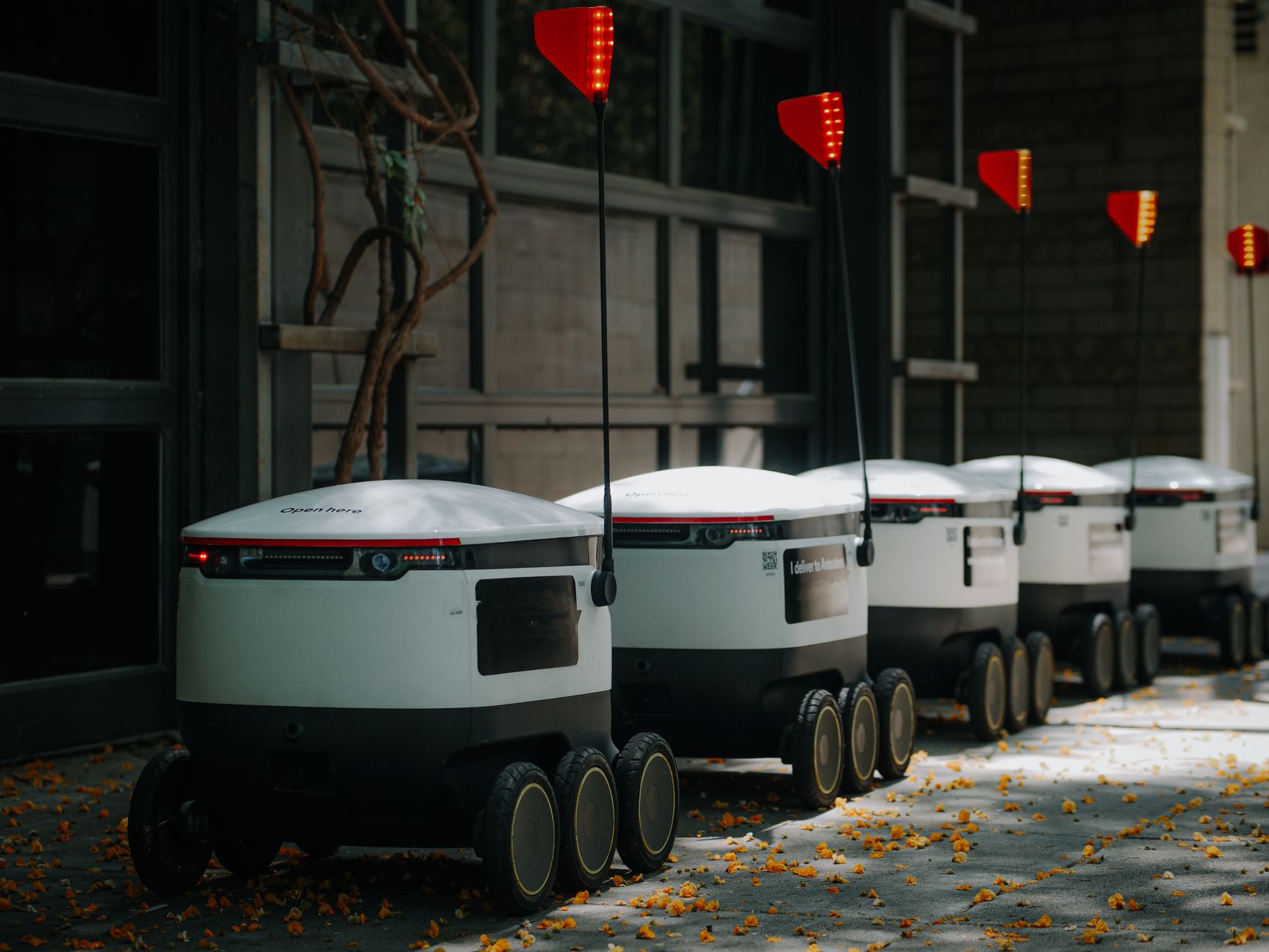
United Parcel Service has expanded its deployment of AI-powered sorting robots to 12 major distribution hubs across the United States, with each facility capable of processing up to 40,000 packages per hour. The rollout, which has proceeded with little public fanfare, is now colliding with a hard-won labor protection: the automation notification clause embedded in the Teamsters’ landmark 2023 contract. As that agreement enters its second year, union representatives are pushing for compliance audits — and the outcome could set a precedent for how automation is governed across the broader logistics industry.
—
What UPS Is Actually Deploying
The UPS automation push centers on robotic sorting systems that use computer vision, machine learning, and high-speed mechanical arms to read, route, and redirect packages along conveyor networks. These systems operate continuously across shifts, reducing the need for manual sorting labor at key choke points in the distribution process.
At 40,000 packages per hour per facility, the throughput figures are substantial. Spread across 12 hubs, the technology represents a meaningful shift in how UPS moves volume — particularly during peak seasons when labor costs and staffing pressures historically spike. The company has framed warehouse robotics as a productivity and safety investment, citing reductions in repetitive-motion injuries and improvements in sorting accuracy.
What UPS has been less forthcoming about is the timeline and scope of notifications provided to workers and union stewards before these systems went live.
—
The Automation Clause: What the Teamsters Won in 2023
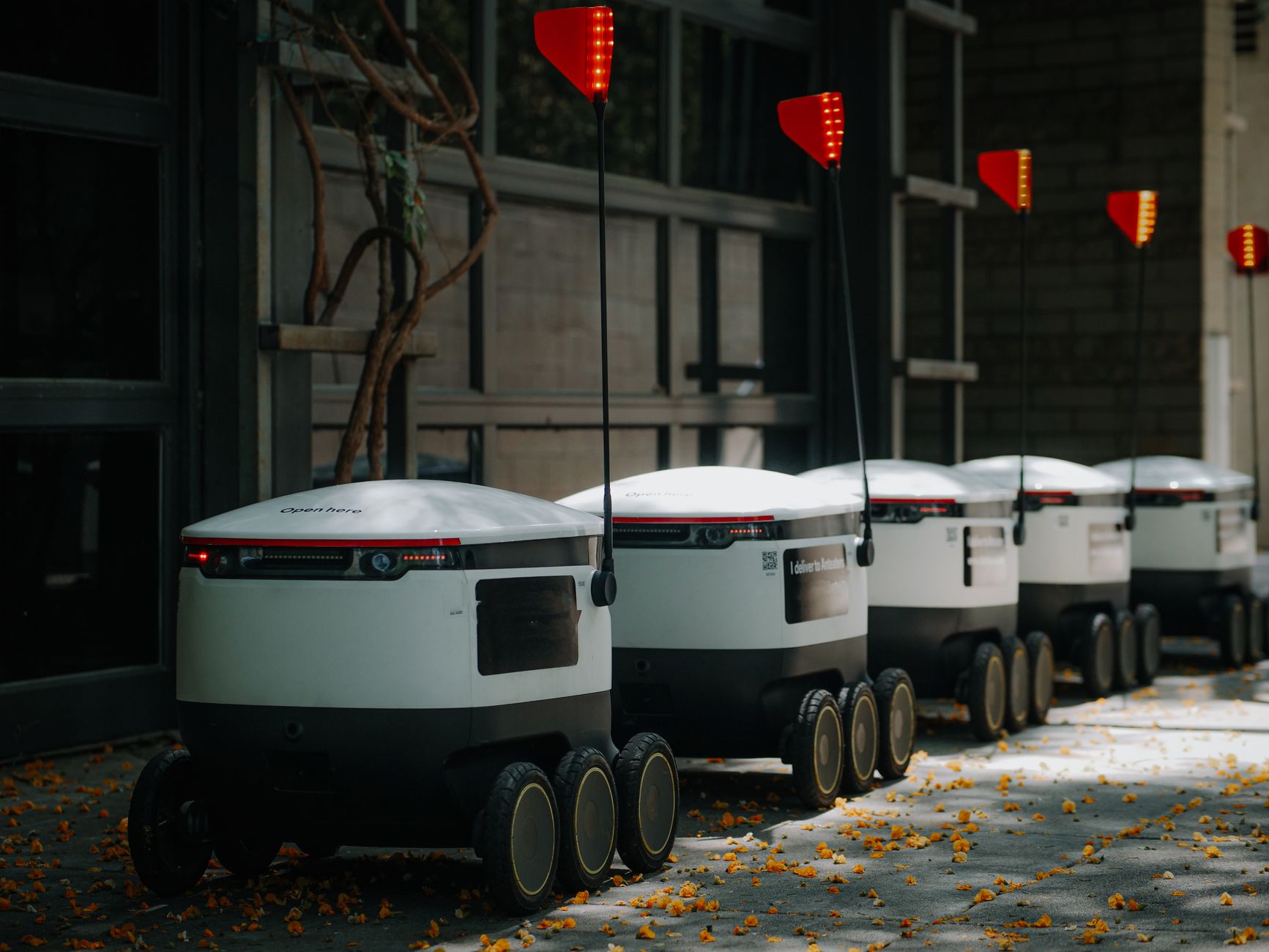
The 2023 Teamsters contract was widely celebrated as one of the strongest labor agreements in recent memory, delivering historic wage increases and new protections for part-time workers. Less discussed — but arguably just as consequential over the long term — was its language addressing technological change in UPS facilities.
The contract’s automation notification clause requires UPS to provide advance notice to the union before introducing automated systems that could affect job classifications, staffing levels, or work assignments. The provision was designed to give Teamsters members and their representatives time to assess impacts, raise concerns, and, where applicable, negotiate mitigation measures such as retraining programs or reassignment guarantees.
Compliance with this clause is not optional. It is a contractual obligation with grievance mechanisms attached. As UPS’s automation push has accelerated into the agreement’s second year, union officials say the notification process has been inconsistent at best.
—
Union Representatives Are Demanding Answers
Teamsters representatives at several affected hubs have begun formally requesting documentation to verify that automation notification requirements were met before robotic sorting systems were activated. These requests amount to de facto compliance audits — a signal that the union intends to treat the clause as enforceable, not aspirational.
The concern is not merely procedural. When workers arrive to find that a sorting function they previously performed has been absorbed by a robotic system, the downstream effects can include reduced hours, reclassified job duties, and altered seniority calculations. Without proper advance notice, workers lose the window to engage the process the contract was designed to protect.
Union stewards have also raised questions about whether UPS’s internal rollout timelines were structured in ways that compressed or bypassed the notification window — whether by design or through coordination failures between the company’s technology deployment teams and its labor relations divisions.
UPS has not publicly responded to the specific audit demands, though the company has stated that it is committed to operating within the terms of its collective bargaining agreement.
—
Why the Logistics Industry Is Watching
This dispute carries implications well beyond any single contract or company. UPS is the largest unionized employer in the United States, and the Teamsters agreement functions as a de facto benchmark for labor standards across the logistics sector. How the automation notification clause is interpreted, enforced, and — if necessary — litigated will influence how other carriers, warehouse operators, and third-party logistics providers structure their own technology deployment agreements.
For warehouse robotics investors and automation vendors, the compliance scrutiny introduces a variable that throughput metrics alone do not capture: the cost and complexity of labor relations when deployment outpaces contractual process. Companies pitching robotic sorting systems to logistics clients on speed-to-deployment timelines may need to factor union notification windows into standard implementation planning.
For labor policy observers, the UPS situation offers a live test of whether automation governance clauses have genuine teeth. The 2023 contract was negotiated during a moment of significant union leverage. The question now is whether that leverage translates into durable, enforceable protections — or whether the clause becomes a formality that companies learn to satisfy on paper while moving quickly on the ground.
—
The Stakes for Teamsters Members
For the workers inside these 12 hubs, the stakes are immediate and personal. Sorting roles represent a significant share of the part-time workforce UPS employs at its distribution facilities — often entry points into the company that, under the 2023 agreement, now carry better pay and stronger protections than they did a decade ago.
Robotic sorting systems do not necessarily eliminate these positions overnight. But they compress the labor required per package, and over time that compression reshapes headcount decisions, shift structures, and the overall footprint of human work inside a facility. Workers who are not notified, not consulted, and not offered transition pathways are workers who absorb the cost of efficiency gains they had no voice in shaping.
—
Enforcement Is the Test
The Teamsters won meaningful language in 2023. Now comes the harder work: making it mean something.
The compliance audit push is the appropriate response. If UPS has met its notification obligations at all 12 hubs, the supporting documentation should be straightforward to produce. If gaps exist, the grievance process exists precisely to address them — and to establish that labor compliance in the age of warehouse robotics is not a courtesy but a condition.
The broader lesson for the industry is unambiguous: automation moves fast, but contracts are not suggestions. The workers who sort the packages that keep the American economy moving negotiated for a seat at the table when the machines arrive. That seat needs to be honored — not only in the text of an agreement, but on the floor of every hub where the robots are already running.
Send free SMS worldwide
Reach any mobile number in 200+ countries from your browser. No signup, no app.
Send a free SMS →