Columbus Breaks Ground on $400M Broadband and EV Charging Corridor Along I-70: Who Benefits and Who Gets Left Out
The concrete is barely dry on the approval paperwork, and already the debate has begun — not over whether Columbus should build this corridor, but over who it will actually serve.
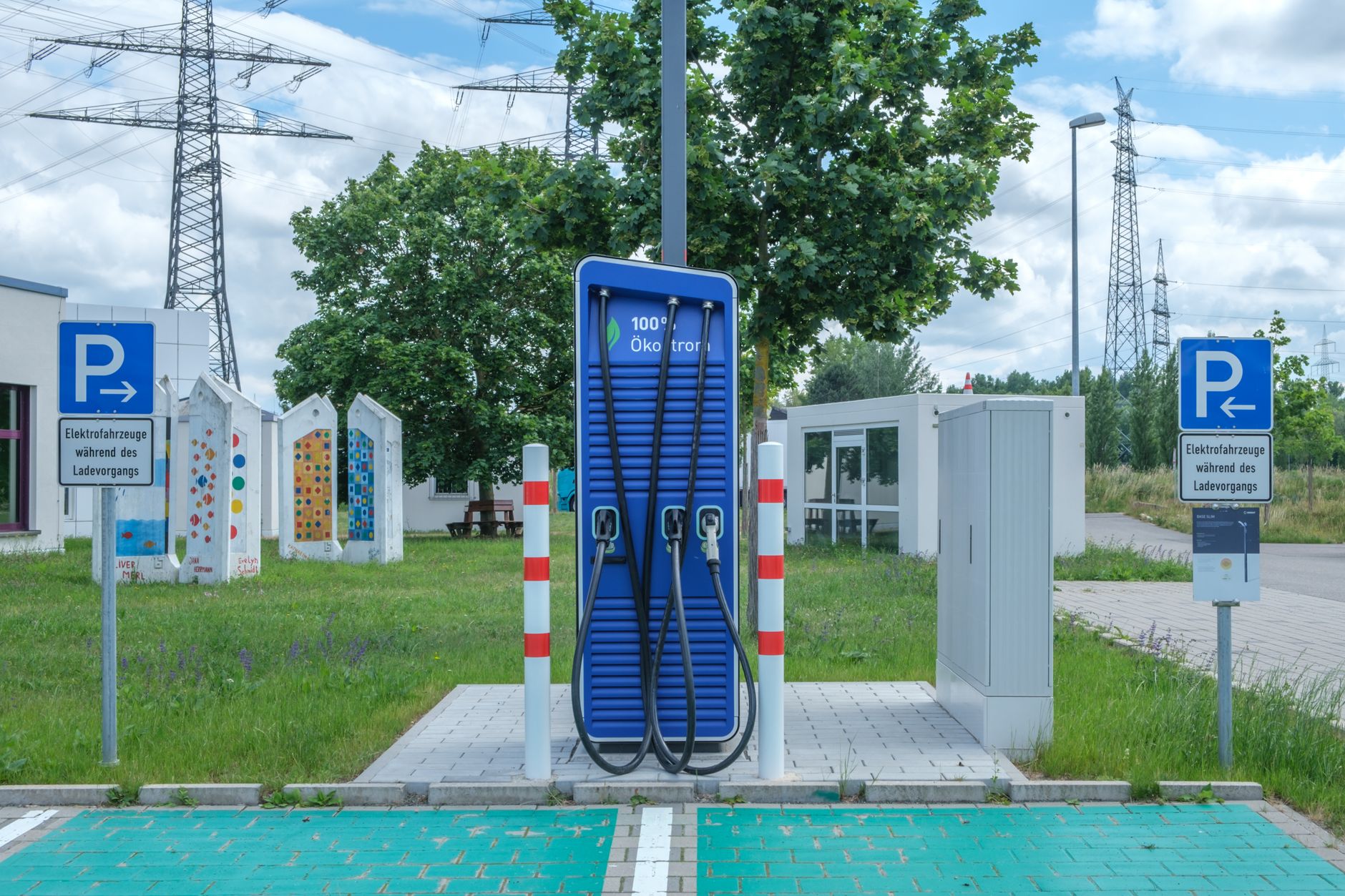
Columbus City Council voted this week to advance a joint federal-state infrastructure package totaling $400 million, funding a 47-mile connected corridor along I-70 that combines fiber broadband nodes with electric vehicle fast-charging stations. The project ranks among the most ambitious infrastructure investments Columbus has undertaken in a generation. But as shovels prepare to break ground, residents, planners, and local contractors are raising hard questions about access, equity, and who gets a seat at the table.
—
What the Corridor Actually Includes
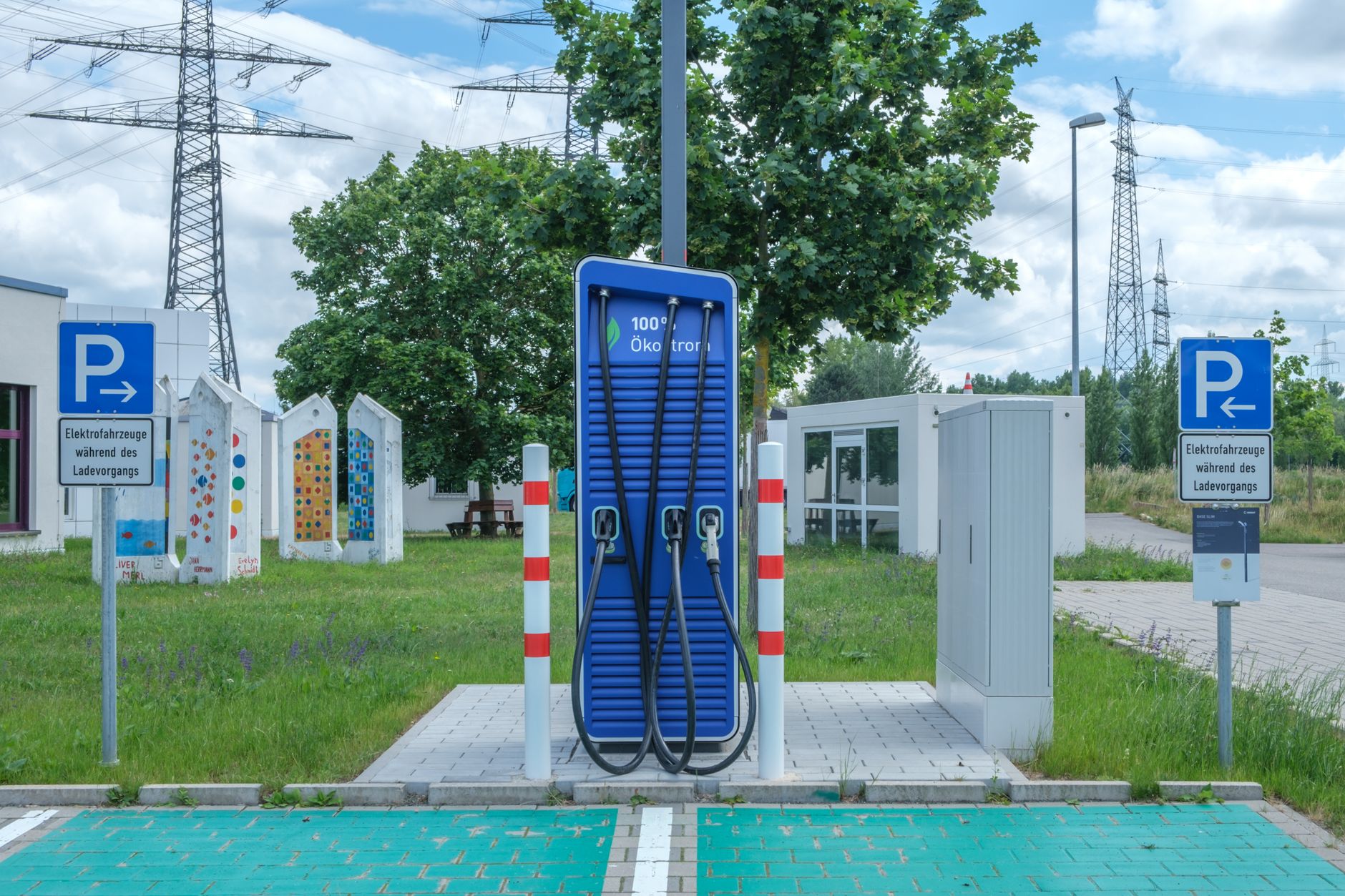
The I-70 corridor is designed as a dual-purpose infrastructure spine running through central Ohio. On the transportation side, the project will install EV fast-charging stations at regular intervals along the highway, serving both passenger vehicles and the growing commercial electric trucking market. On the connectivity side, fiber broadband nodes will be embedded along the route, with the stated goal of extending high-speed internet access into adjacent communities.
Federal funding through the Infrastructure Investment and Jobs Act is driving a significant portion of the budget. Ohio’s state broadband office and the Ohio Department of Transportation are co-administering the project alongside Columbus city agencies. Construction subcontracts alone are valued at approximately $180 million, making this one of the largest competitive bidding opportunities for local and regional contractors in recent memory.
—
The Neighborhoods That Win — and the Ones That Don’t
This is where the story gets complicated. The corridor follows I-70, which cuts through a specific geographic band of the metro area. Communities with direct highway adjacency — including parts of the Near East Side, Whitehall, and Reynoldsburg — are positioned to benefit most immediately from both the EV charging infrastructure and the broadband node placement.
But Columbus has well-documented connectivity gaps, and the corridor’s linear design means that neighborhoods even a few miles off the I-70 axis may see little direct benefit. Areas on the city’s Far East Side, portions of the South Side, and lower-income suburban communities that already struggle with inconsistent broadband service are not guaranteed coverage simply because fiber is being laid nearby. Proximity to infrastructure does not equal access to it.
Digital equity advocates have raised this concern directly with city planners. The worry is that a corridor built primarily to serve highway users and commercial logistics will reinforce existing divides rather than close them. Without deliberate last-mile investment — the shorter, more expensive connections that bring broadband from a main line into individual homes and businesses — the nodes along I-70 risk becoming high-speed pipelines that bypass the communities that need connectivity most.
—
EV Charging: A Network Built for Whom?
The EV charging component carries its own equity questions. Fast-charging stations along a major interstate are primarily designed for drivers making longer trips — commuters, travelers, and commercial fleet operators. That is a legitimate and necessary investment as Ohio’s EV charging infrastructure continues to lag behind adoption rates.
But for Columbus residents living in apartment buildings, rental housing, or neighborhoods without dedicated parking, the ability to charge at home remains out of reach. Highway fast-charging does not solve the problem of a renter in Franklinton who cannot plug in overnight. Advocates for equitable EV adoption argue that corridor-level infrastructure must be paired with neighborhood-level charging access — in parking garages, community lots, and multi-family housing developments — to avoid creating a two-tiered system in which EV ownership remains a privilege of homeowners with garages.
—
Local Contractors Enter a High-Stakes Competition
The $180 million in construction subcontracts has set off intense competition among Ohio-based firms. The project’s federal funding requirements include provisions favoring domestic materials and, in some cases, disadvantaged business enterprise participation goals. For smaller Columbus-area contractors, meeting those certification requirements while competing against larger regional firms presents a real logistical challenge.
Several local construction and telecommunications companies have already begun the pre-qualification process. Industry observers note that fiber installation and civil construction for charging station foundations require distinct specializations, meaning the subcontracting landscape is likely to split along trade lines. Electrical contractors, civil engineers, and fiber optic specialists are all positioning for pieces of the project, and the city’s procurement office has indicated that contract awards are expected to begin within the next several months.
—
What Federal Funding Requires — and What It Doesn’t
Federal infrastructure funding at this scale comes with conditions, and understanding those conditions matters. Broadband projects tied to federal dollars typically carry requirements around minimum speeds, affordability plans, and in some cases open-access provisions that allow multiple internet service providers to use the same physical infrastructure. Whether those provisions are written into this project’s contracts is a question advocates and council members are actively pressing.
The absence of mandatory affordability requirements in some federal broadband programs has drawn persistent criticism from digital equity organizations nationwide. A fiber node that connects only to a single provider charging market-rate prices does not solve the access problem — it upgrades the infrastructure while leaving cost barriers intact.
—
A Corridor Is Not a Community
Columbus has a genuine opportunity here. A 47-mile infrastructure investment along one of Ohio’s most-traveled highways can move the needle on EV adoption, improve connectivity for businesses along the route, and lay the physical groundwork for a more connected region. Federal funding makes this moment possible in a way that state and local budgets alone could not.
But corridors serve movement. Communities require deliberate investment. The difference between a project that expands opportunity for all Columbus residents and one that primarily benefits highway users and well-connected businesses will be determined by decisions made in the coming months — in procurement offices, planning meetings, and city council chambers.
Residents who stand to be left out are not asking for the project to stop. They are asking to be included in it. That is a reasonable demand, and it deserves a concrete answer before the first fiber line goes in the ground.
Send free SMS worldwide
Reach any mobile number in 200+ countries from your browser. No signup, no app.
Send a free SMS →