UPS Deploys 1,200 Autonomous Sorting Robots Across 12 Hubs as Teamsters Demand Automation Audit
The robots arrived quietly, but their impact is about to get loud. UPS has deployed 1,200 autonomous sorting robots across 12 major distribution hubs, and the Teamsters union is now invoking a rarely used provision in its 2023 labor contract to force an independent audit of the expansion — one the union says threatens 4,300 package handler jobs by the first quarter of 2026.
The confrontation marks the first major test of technology disclosure language negotiated during last year’s contentious contract talks, and it could set a precedent for how automation disputes play out across the broader logistics industry.
The Rollout UPS Didn’t Announce
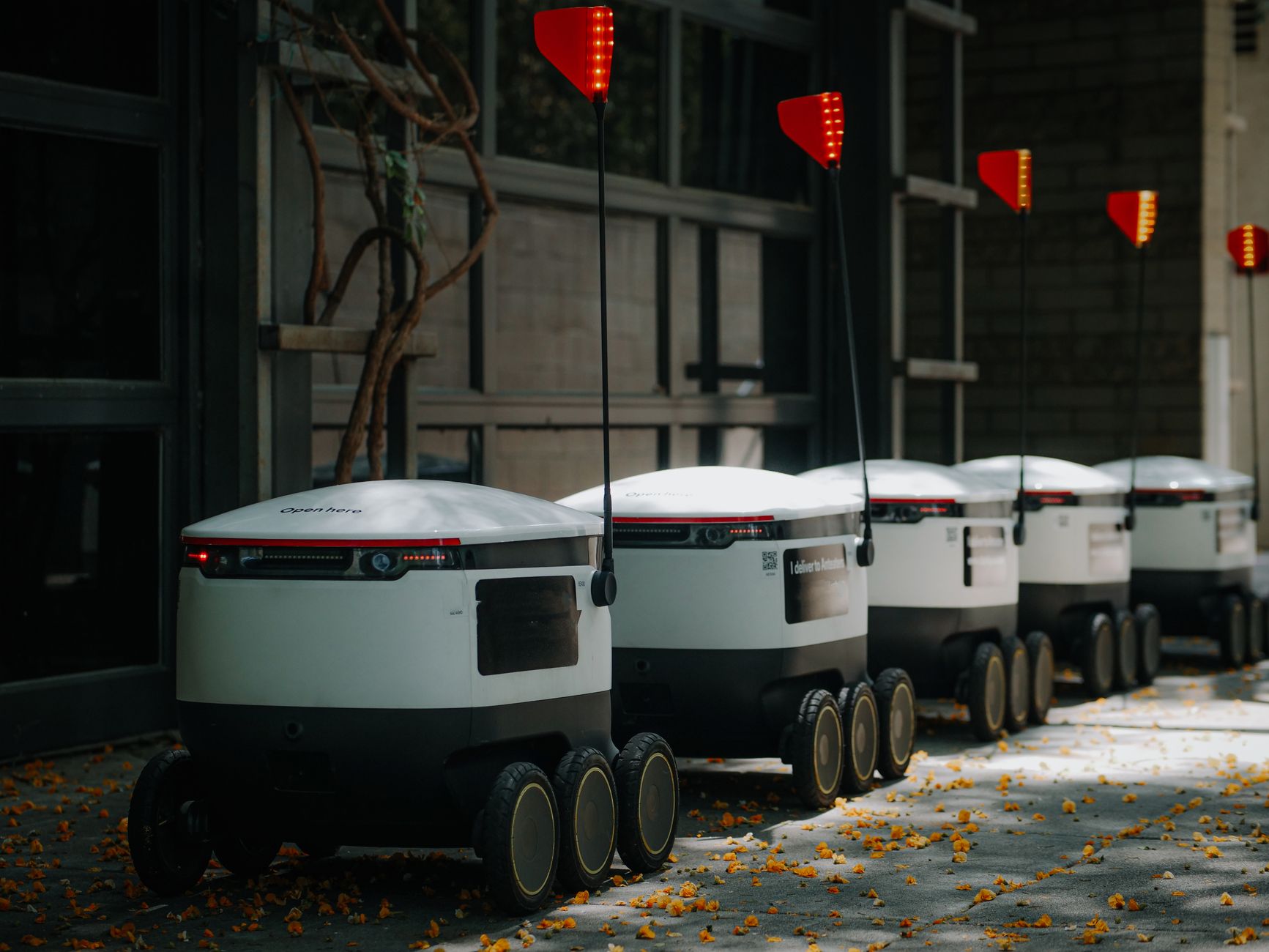
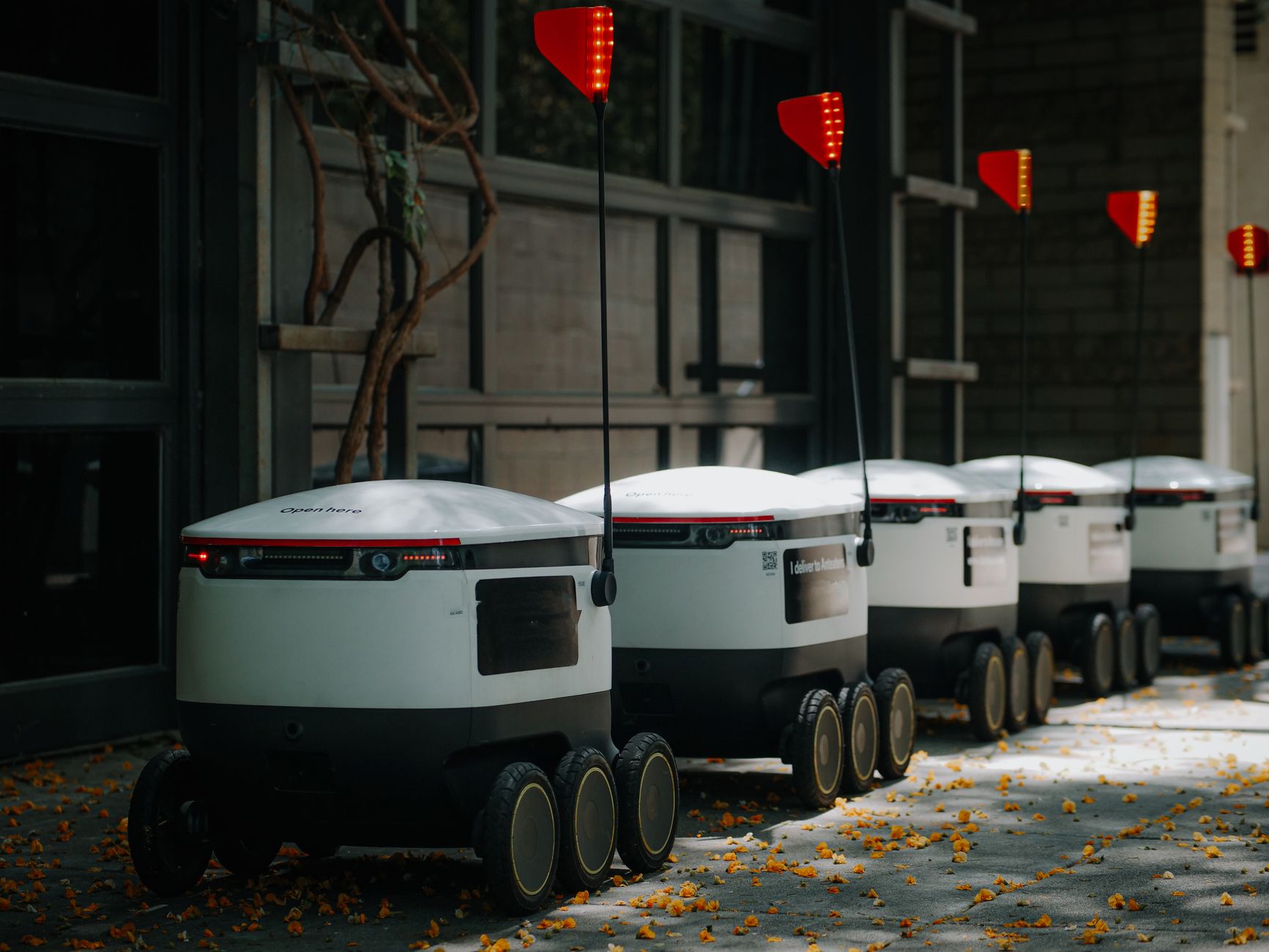
UPS has not issued a press release about the robot deployment, but the scale is significant. The 1,200-unit fleet represents a substantial expansion of autonomous sorting technology distributed among facilities that serve as critical nodes in the company’s domestic package network.
These robots operate without direct human control, using sensors and algorithms to move packages between conveyor systems and loading zones. Unlike earlier generations of assisted-sorting equipment that required human operators, the new units function independently along programmed routes.
Notably, the Teamsters learned of the full scope of the deployment through member reports and facility observations — not through formal company disclosure. That gap now sits at the center of the union’s audit demand.
Teamsters Invoke Technology Disclosure Clause
The Teamsters have formally demanded an independent automation audit under the technology disclosure clause negotiated in the 2023 contract. That provision requires UPS to provide advance notice and workforce impact assessments when automation deployments exceed specified thresholds.
According to the union, the 1,200-robot rollout crosses those agreed thresholds. The Teamsters argue that UPS was obligated to disclose the deployment’s scope, provide job impact projections, and engage in consultation before the robots went operational.
“This isn’t about stopping progress,” a union statement read. “This is about enforcing the contract our members fought for. UPS agreed to transparency on automation. We’re holding them to that.”
The audit demand requests independent verification of how many package handler positions will be eliminated or restructured as a result of the deployment. The union projects 4,300 jobs at risk by Q1 2026, based on staffing patterns at facilities where the robots are already operational.
What the 2023 Contract Says
The technology disclosure clause emerged as a key Teamsters priority during the 2023 negotiations, when automation concerns ran high among the union’s UPS membership. The language requires the company to notify the union when new automation technologies are deployed at scale and to provide data on projected workforce impacts.
The clause does not grant the union veto power over automation decisions, but it does establish a structured process for disclosure, consultation, and — in cases of dispute — independent audit. The Teamsters’ current demand represents the first formal invocation of that audit mechanism.
UPS has not publicly commented on whether it believes the robot deployment triggers the disclosure requirements, nor has the company confirmed or denied the union’s claim that agreed thresholds have been exceeded.
Package Handler Jobs in the Balance
The 4,300 positions the Teamsters say are threatened represent a significant share of the workforce at the 12 affected hubs. Package handlers sort, scan, and load parcels — precisely the tasks these autonomous robots are designed to perform.
The union’s Q1 2026 timeline is based on current deployment velocity and the operational lifespan of existing labor schedules at affected facilities. As robots absorb sorting functions, the need for human package handlers in those zones diminishes, leading to reduced shifts, attrition through non-replacement, and potential layoffs.
For Teamsters members, the stakes are both immediate and symbolic. Package handler roles have historically served as entry points to higher-paying driver and mechanic positions within UPS. A significant reduction in those jobs could constrict that career pipeline while eliminating positions that have long provided middle-class wages in the communities where these hubs operate.
UPS, Automation, and the Competitive Landscape
UPS is not alone in deploying autonomous sorting technology. Amazon, FedEx, and regional carriers have all invested heavily in warehouse automation as package volumes have grown and labor markets have tightened.
For UPS, automation offers potential cost savings, higher throughput, and reduced dependence on labor availability during peak seasons. The company has previously framed such investments as necessary to remain competitive in a logistics industry where speed and efficiency determine market share.
But the Teamsters represent a variable that many of UPS’s competitors do not face. The labor contract gives the union meaningful leverage — including the ability to demand transparency and, in this case, to audit job impact claims before they fully materialize.
The outcome of this dispute will be closely watched by labor policy analysts and workers in automated warehouse environments across multiple industries, as unions seek workable models for negotiating automation’s arrival on their terms.
What Comes Next
The independent audit process will determine whether UPS met its disclosure obligations and whether the 1,200-robot deployment exceeds the contract’s agreed thresholds. If the audit finds in favor of the Teamsters, UPS could face contractual remedies — including requirements to pause further deployments, provide enhanced severance or retraining, or renegotiate the conditions under which additional automation is introduced.
If the audit sides with UPS, the union will have limited recourse under the current contract, though the findings will inform future negotiations and could shape how automation language is written in the next bargaining cycle.
For now, the robots continue sorting packages while 4,300 Teamsters members wait to see whether the contract they fought for will protect the jobs they perform. The answer will define what “technology disclosure” actually means when the machines arrive at scale.
Send free SMS worldwide
Reach any mobile number in 200+ countries from your browser. No signup, no app.
Send a free SMS →