UPS Automation Push Sparks New Teamsters Standoff Over 22,000 Warehouse Jobs
The hard-won labor peace between UPS and the Teamsters may be shorter-lived than either side anticipated. Just eighteen months after averting a potentially crippling national strike, the shipping giant and the union representing 340,000 of its workers are heading toward another high-stakes confrontation — this time over robots.
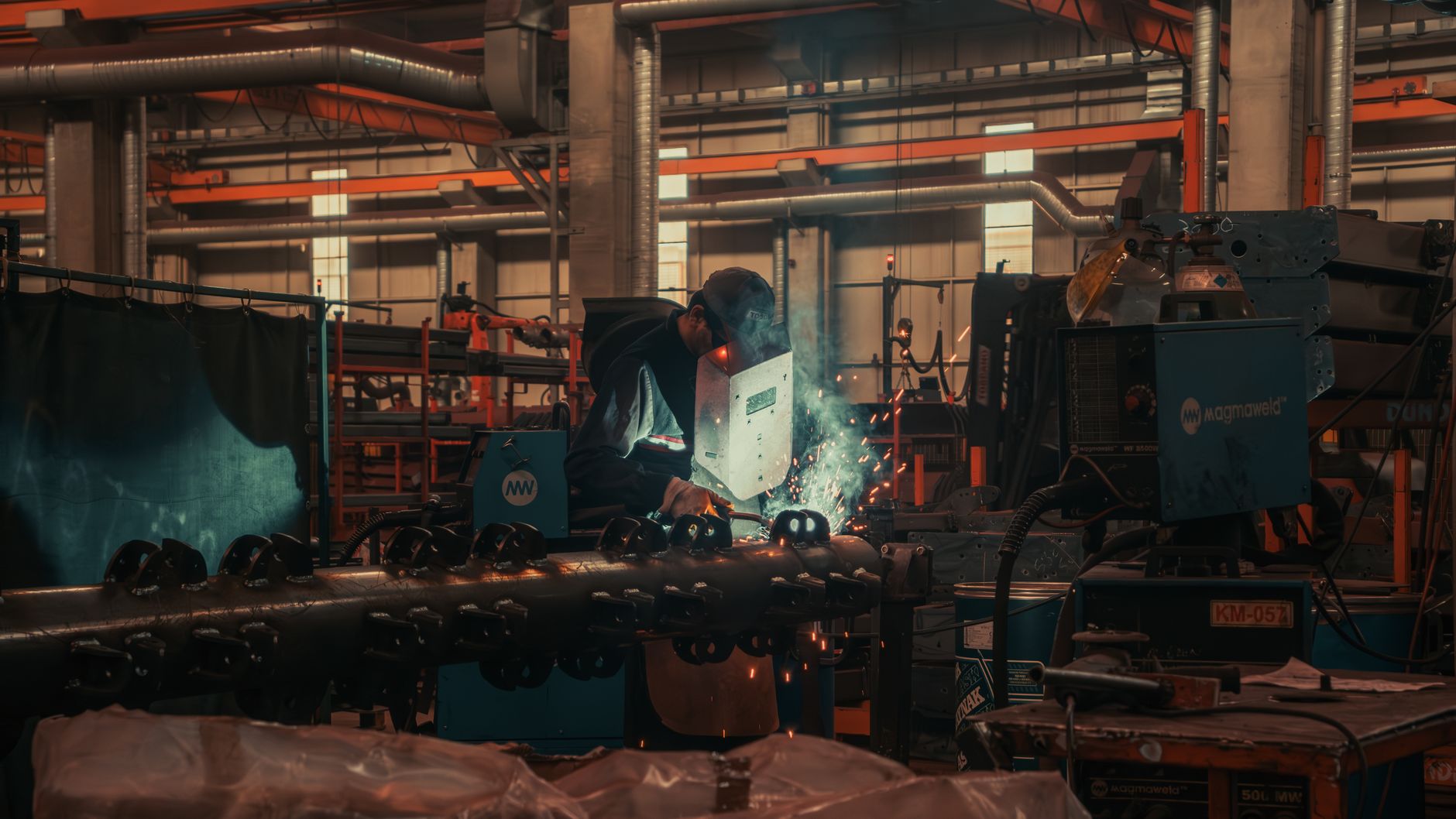
UPS has begun accelerating the deployment of AI-powered sorting systems across 15 major distribution hubs, a rollout that union officials estimate could displace approximately 22,000 Teamster-represented warehouse workers by 2027. The move is testing the limits of automation language negotiated in the 2023 contract, with union leadership threatening a formal grievance process that could trigger arbitration proceedings estimated to cost $40 million.
The Technology Behind the Dispute
The systems at the center of this dispute represent a significant leap beyond the conveyor belts and basic mechanization long standard in logistics facilities. Combining computer vision, machine learning, and robotic arms, they can identify, sort, and route packages at speeds that far exceed human capacity.
UPS has publicly committed to modernizing its infrastructure to compete with Amazon’s increasingly automated fulfillment network, framing the investment as essential to maintaining service standards and cost competitiveness in an industry where margins are measured in pennies per package.
For workers on the warehouse floor, however, the implications are immediate and personal. The sorting positions targeted for automation have historically served as entry points into UPS’s unionized workforce, offering pathways to higher-paying driver roles and benefits that have supported working-class families for generations.
What the 2023 Contract Actually Says

The contract ratified in August 2023 included provisions addressing technological change, but that language now appears open to competing interpretations. The agreement requires UPS to notify the union of “significant automation implementations” and to engage in impact bargaining over affected workers.
Where the parties diverge is on what constitutes adequate notification, what remedies are available to displaced workers, and whether the current rollout qualifies as the gradual modernization UPS is permitted to pursue — or an acceleration that violates the contract’s intent.
Union officials argue that deploying AI-powered systems across 15 hubs simultaneously, rather than through the phased, facility-by-facility approach discussed during negotiations, constitutes a material breach. UPS maintains it is operating within the contract’s parameters and has offered affected workers retraining opportunities and, in some cases, reassignment to other roles.
The gap between these positions is wide enough that both sides are now preparing for formal arbitration — a process labor experts warn could drag on for years and cost tens of millions in legal fees alone.
Impact on the Workforce
The scale of potential displacement sets this dispute apart from previous automation grievances in the logistics sector. While exact figures remain contested, the union’s estimate of 22,000 affected positions would represent one of the largest technology-driven workforce reductions in Teamsters history.
These are not abstract numbers. Warehouse sorters at UPS facilities typically earn $20 to $28 per hour with full benefits — compensation that supports families and anchors local economies in the mid-sized cities where many UPS hubs are located. These positions also serve as stepping stones for workers seeking to advance to delivery driver roles, which offer higher pay and have so far proven less susceptible to automation.
Retraining programs and reassignment offers, while preferable to outright layoffs, often come with pay cuts or relocation requirements — outcomes that can be devastating for employees with mortgages, children in school, and deep community ties.
Broader Implications for Labor and Automation
This confrontation arrives at a pivotal moment in the national debate over automation’s impact on working-class employment. Policymakers, economists, and labor advocates are watching closely to see whether collective bargaining agreements can effectively manage technological displacement — or whether even strong union contracts will prove insufficient as guardrails.
The logistics industry has become a testing ground for these questions. With e-commerce driving unprecedented package volumes and companies racing to cut per-unit costs, pressure to automate is intense. How UPS and the Teamsters resolve this dispute could set precedents that ripple across warehousing, freight, and distribution sectors employing millions of American workers.
Business observers note that UPS faces genuine competitive pressure. Amazon’s ability to leverage automation and a largely non-union workforce gives it structural cost advantages that UPS cannot ignore indefinitely. Labor advocates counter that a race to the bottom on employment standards serves no one’s long-term interests, pointing to the broader social costs of widespread job displacement.
The Stakes of Arbitration
The projected $40 million cost of arbitration reflects both the legal complexity involved and the enormous financial stakes for both parties. For UPS, deploying automation on its preferred timeline could yield hundreds of millions in operational savings. For the Teamsters, the outcome will help define whether the union can meaningfully shape how new technologies are introduced — or whether it is left negotiating severance terms for displaced members.
Arbitration in disputes of this magnitude typically involves extensive discovery, expert testimony on technological capabilities and workforce impacts, and detailed parsing of contract language. The process can consume years, leaving workers and management planners alike in prolonged uncertainty.
A Defining Moment
The UPS automation standoff is more than a contract dispute between one company and one union. It is a test case for whether America’s labor relations framework — built largely in the mid-20th century — can address 21st-century technological disruption in ways that preserve worker dignity and economic security.
The Teamsters secured significant victories in the 2023 negotiations, demonstrating that organized labor can still flex considerable muscle even in an era of declining union density. Whether that power extends to controlling the pace and terms of automation will determine not just the future of 22,000 warehouse jobs, but the broader viability of collective bargaining as a tool for managing technological change across the American economy.
Send free SMS worldwide
Reach any mobile number in 200+ countries from your browser. No signup, no app.
Send a free SMS →