FTC’s $51,744 Penalty Rule Sparks Creator Economy Audits Over Synthetic Followers and Fake Endorsements
The era of digital marketing operating on a “don’t ask, don’t tell” approach to inflated follower counts and artificial engagement has officially ended. A decisive federal regulatory shift has transformed quiet industry open secrets into direct balance-sheet liabilities.
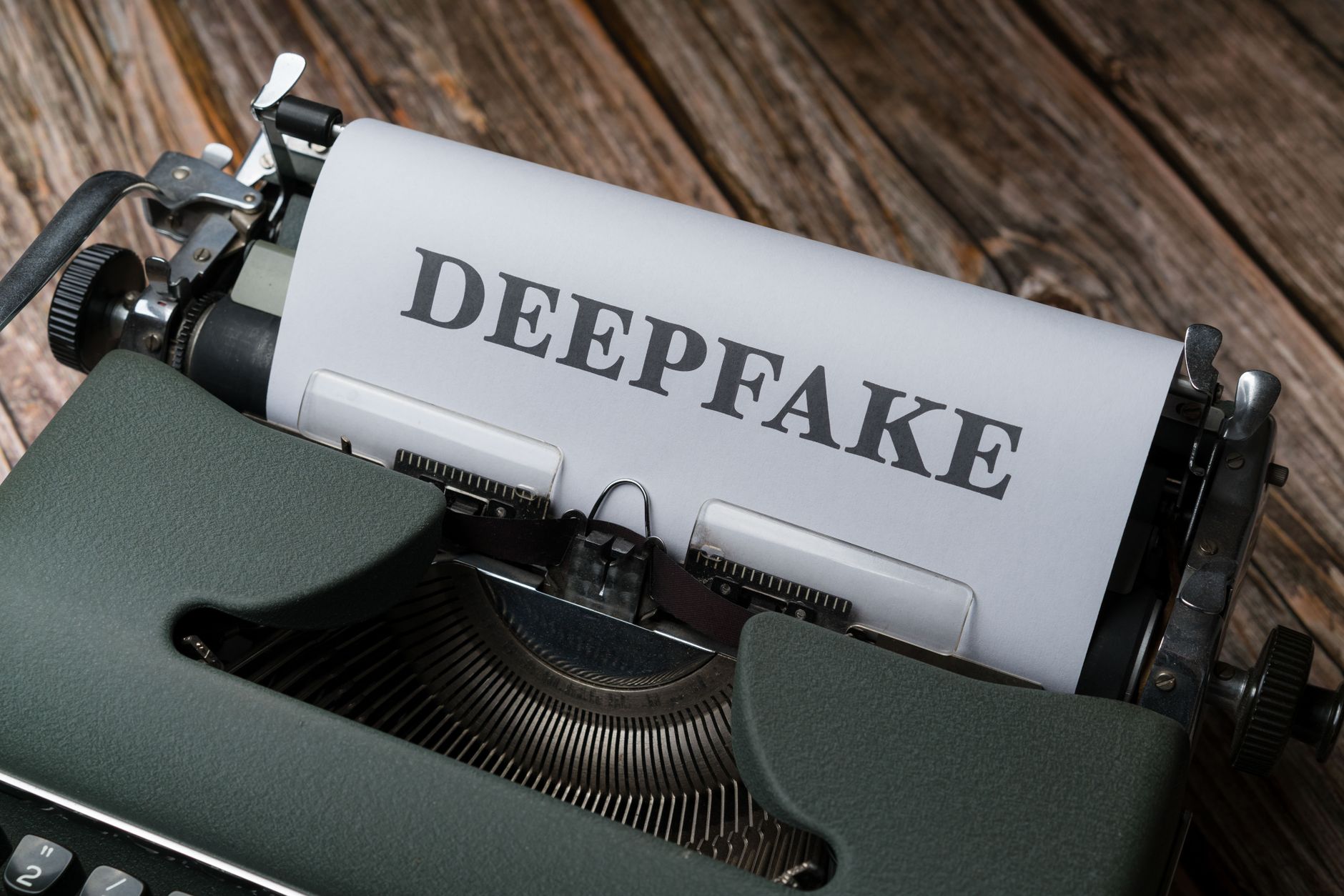
With the Federal Trade Commission activating its trade regulation rule targeting deceptive reviews, consumer testimonials, and fake indicators of social media influence, the financial stakes have reached an unprecedented threshold. The commission can now seek civil penalties of up to $51,744 per violation. For enterprise brands, talent agencies, and digital creators, this mechanism of direct FTC enforcement bypasses the traditional buffer of warning letters, establishing an immediate, high-stakes standard for influencer compliance.
Across the creator economy, corporate legal teams and chief marketing officers are overhauling operations. Practices once dismissed as harmless vanity metric inflation—purchased follower packs, automated comment pods, and undisclosed AI-generated reactions—now represent acute regulatory exposure.
The Anatomy of the Regulatory Squeeze
At the center of this disruption is the FTC’s finalized Trade Regulation Rule on the Use of Consumer Reviews and Testimonials. The rule directly targets the mechanics of modern social platforms: fake reviews, fabricated consumer testimonials, and the commercial purchase or sale of fake indicators of social media influence.
Historically, regulatory enforcement against deceptive marketing crawled through protracted administrative proceedings, frequently concluding with cease-and-desist orders that carried no immediate monetary penalties unless existing consent decrees were breached. Under the finalized rule, the FTC circumvents those procedural delays. A commercial campaign that deploys purchased reach or distributes fabricated consumer sentiment can now trigger statutory penalties on first offense.
Because the statutory maximum of $51,744 applies *per violation*, financial liability compounds quickly. A creator marketing team that buys synthetic engagement across multiple sponsored assets or deploys automated consumer testimonials across distinct audience segments faces escalating, cumulative financial penalties.
The Contractual Reckoning Between Brands and Agencies
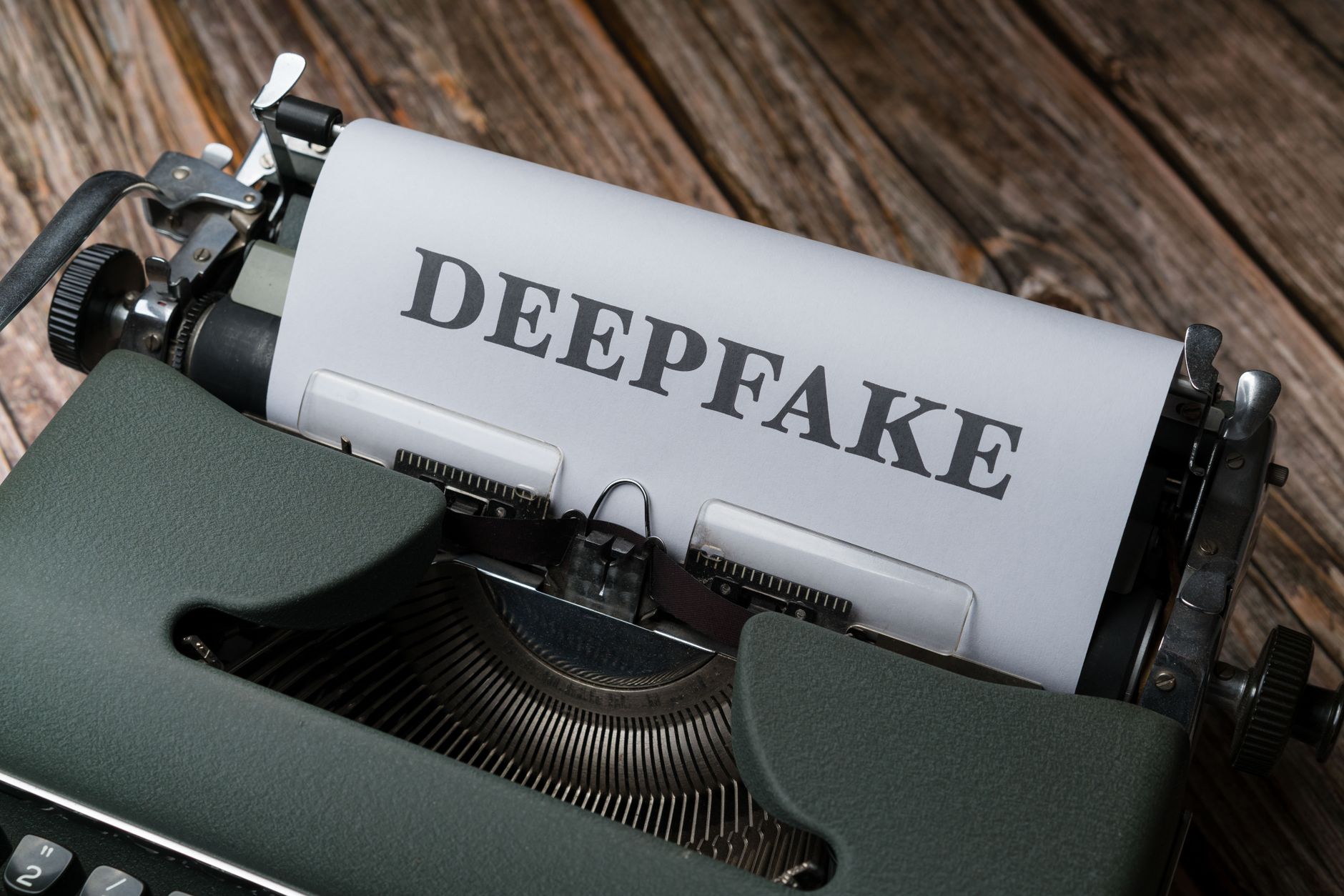
Enterprise marketing divisions are moving quickly to insulate themselves from liability tied to dubious talent rosters. Talent representation contracts and master services agreements (MSAs) that sat unrevised for years are undergoing immediate, sweeping rewrites.
Corporate legal teams are introducing explicit warranties of authentic reach. Influencers and their managing agencies must now legally certify that audience metrics, impressions, and engagement rates are generated exclusively by bona fide human users. Contractual language is expanding beyond traditional FTC disclosure requirements to explicitly bar synthetic engagement, bot-driven amplification, and undisclosed generative AI outputs.
Indemnification clauses are shifting in tandem. Brands are demanding full indemnification from agencies and talent for any FTC inquiries, civil investigations, or statutory fines stemming from manipulated engagement data. Simultaneously, standard payment schedules are being tethered directly to post-campaign compliance reviews.
If third-party telemetry flags abnormal traffic patterns—such as thousands of international impressions executing within seconds or repetitive, bot-driven comments—clawback provisions allow brands to withhold payment, terminate agreements for cause, and pursue damages for reputational harm.
Auditing the Supply Chain: From Vanity Metrics to Defensible Telemetry
The regulatory mandate is driving a technical overhaul of agency workflows. Relying on self-reported influencer media kits and platform-native analytics dashboards has become an untenable compliance vulnerability.
Corporate compliance officers are increasingly requiring independent, third-party audit pipelines before sponsored spend is released. These automated vetting protocols analyze a creator’s historical performance to identify common indicators of artificial reach:
* **Audience Quality Indexing:** Statistical anomaly detection that isolates sudden, inorganic spikes in follower counts linked to server farms or dormant profiles. * **Semantic Diversity Scoring:** Natural language processing tools that scan comment sections for the repetitive, low-variance linguistic structures typical of automated comment networks. * **Geographic and Temporal Realism:** Analysis verifying that impressions correspond to authentic target demographics rather than dislocated proxy networks operating during off-peak hours. * **Sentiment Verification:** Monitoring pipelines designed to confirm that consumer feedback and sponsored endorsements reflect genuine interactions rather than coordinated, undisclosed AI generation.
Agencies whose business models relied on inflated aggregate reach are finding themselves excluded from tier-one enterprise procurement systems unless they can provide independently verified telemetry confirming audience authenticity.
The Operational Standard for Influencer Compliance
Achieving durable compliance now demands a unified framework connecting legal counsel, campaign strategists, and talent. Compliance is no longer an afterthought resolved by an ad-hoc hashtag; it has become an integrated operational workflow.
Creators must keep verifiable records of their audience growth and ensure that commercial endorsements reflect genuine consumer experiences. For talent agencies, client onboarding now requires systematic audience hygiene—proactively vetting prospective signees and purging synthetic or inactive accounts before pitching talent to corporate accounts.
For enterprise brands, compliance hinges on maintaining an audit trail that demonstrates procedural due diligence. Should the FTC launch an inquiry, an organization’s primary defense relies on proving it established clear anti-fraud policies, executed rigorous pre-campaign technical audits, and actively monitored live deliverables for illicit activity.
Authentic Reach or Regulatory Exposure
The FTC’s statutory penalty framework signals the professional maturation of digital creator marketing. The era of algorithmic arbitrage, black-market growth hacks, and synthetic amplification is giving way to direct federal oversight backed by substantial financial enforcement powers.
For talent agencies and brand executives, the mandate is clear: vanity metrics are no longer merely an inefficient marketing expense—they are an active legal liability. The organizations that thrive in this enforcement environment will be those that prioritize verified, human-driven reach, replace boilerplate contracts with robust compliance safeguards, and treat audience transparency as a non-negotiable metric of commercial viability. In the modern creator economy, verified authenticity has become a baseline operational requirement.
Send free SMS worldwide
Reach any mobile number in 200+ countries from your browser. No signup, no app.
Send a free SMS →