Columbus Declares Infrastructure Emergency After Third Water Main Rupture Floods Short North District
Water doesn’t wait for budget cycles. On Monday morning, it surged through the streets of one of Columbus’s most vibrant neighborhoods — and this time, city officials could no longer call it a coincidence.
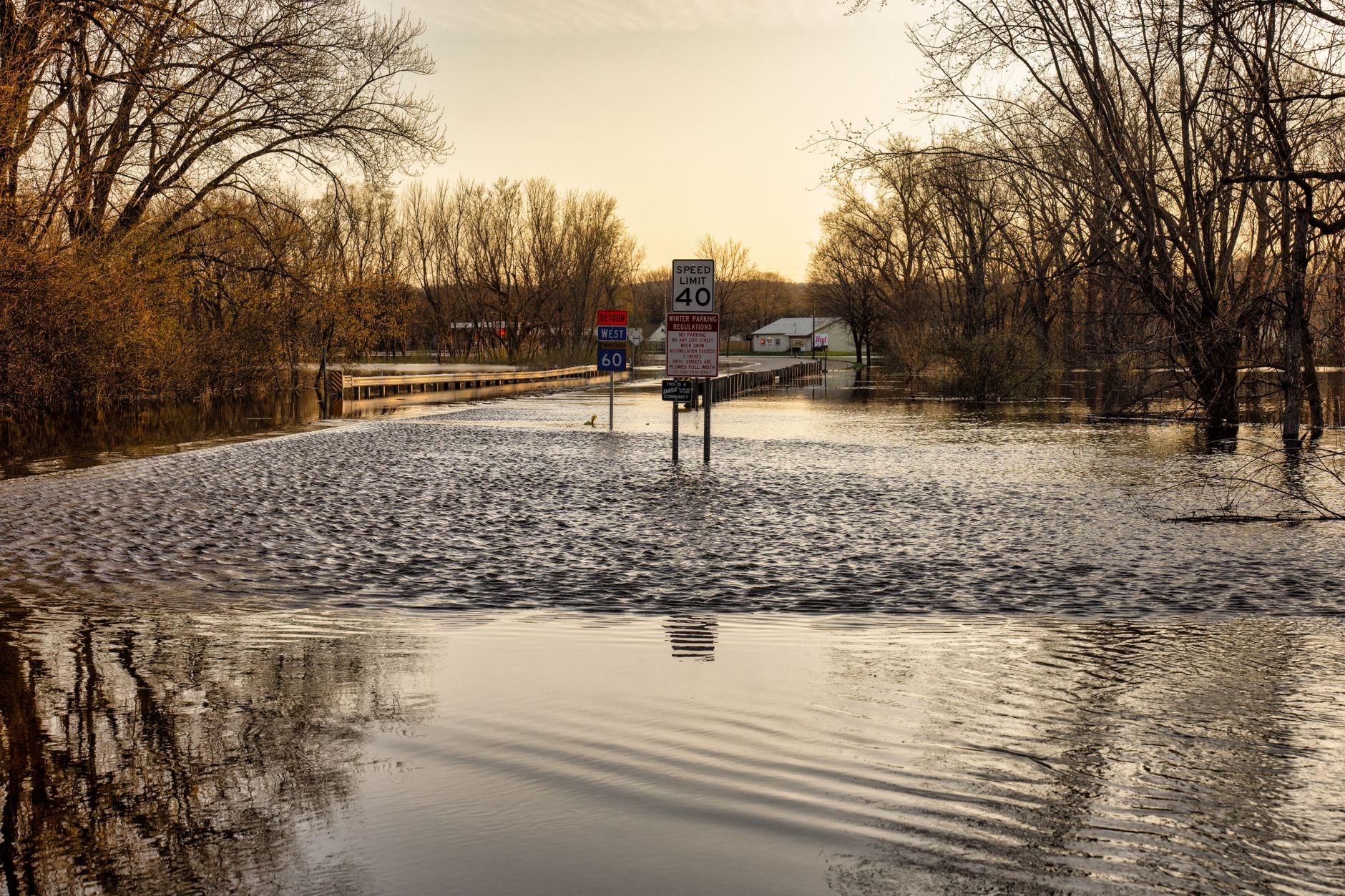
Mayor Andrew Ginther declared a localized infrastructure emergency after a major water main failure sent floodwaters rushing through the Short North arts district, displacing approximately 200 residents and forcing 40 businesses to close. It was the third significant water main rupture in 60 days, and it came with a warning city auditors had already put in writing: 38 percent of Columbus’s water infrastructure has exceeded its rated service life.
The emergency declaration unlocks expedited repair contracting and positions the city to access state contingency resources — but for many Short North residents and business owners, the question is not what comes next. It is why it took three failures to get here.
—
What Happened in the Short North
The rupture struck early Monday, sending water cascading across High Street and into adjacent side streets before crews could isolate the affected main. Basements flooded. Storefronts that had survived a pandemic and years of rising rents faced sudden, unplanned closures. Residents in nearby apartment buildings were evacuated while crews assessed structural risk to the surrounding streetscape.
Flooding of this scale in the Short North is not merely an inconvenience — it is an economic disruption. The district generates significant foot traffic and tax revenue for the city, and every hour a restaurant, gallery, or boutique remains shuttered represents real losses for owners operating on thin margins and employees who depend on hourly wages.
City crews worked through the day to stop the flow and begin preliminary repairs, but full restoration of service and a complete damage assessment were expected to take several days.
—
A Pattern the Data Already Predicted
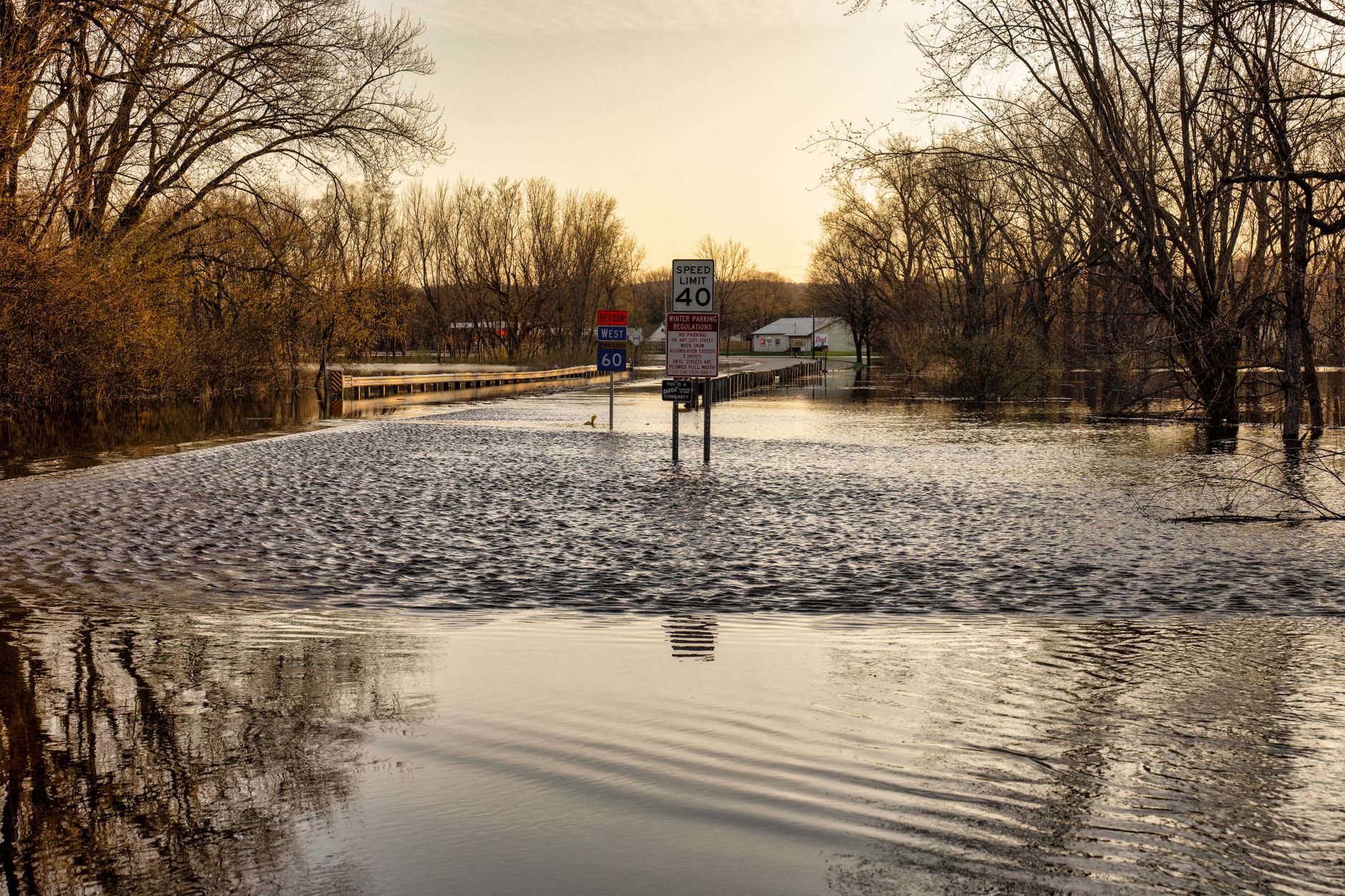
Monday’s failure did not emerge from nowhere. Columbus water infrastructure across much of the city dates to construction booms in the mid-twentieth century, and auditors have flagged accelerating deterioration for years. The finding that 38 percent of the water system has surpassed its rated service life is not a projection — it is a current condition.
Aging cast-iron and unlined steel mains are particularly vulnerable to pressure fluctuations, temperature swings, and soil movement. When one section fails under stress, it increases hydraulic pressure on adjacent segments, raising the probability of cascading failures. The two previous ruptures over the past 60 days fit that pattern precisely.
Infrastructure engineers track system health using a metric called the break rate. A rising break rate is a leading indicator of systemic failure, not isolated bad luck. Three major breaks in two months within a concentrated urban area is a signal, not a streak.
—
Federal Money Is Available — and Sitting Unspent
Perhaps the most pressing dimension of Monday’s emergency declaration is the fiscal one. The federal Infrastructure Investment and Jobs Act — commonly referred to as the IIJA — allocated substantial funding to states and municipalities specifically for water system rehabilitation. Columbus has IIJA funds earmarked for infrastructure repairs that, according to city auditors, remain unspent.
The reasons for delayed deployment vary. Federal funding streams carry compliance requirements, environmental review timelines, and procurement rules that can slow execution even when urgency is apparent. Even so, the gap between available dollars and deployed repairs is difficult to defend when streets are flooding and residents are being displaced.
Mayor Ginther’s emergency declaration may accelerate the administrative pathway to deploying those funds. Emergency status can compress procurement timelines and allow the city to move faster than standard capital project procedures permit. Whether that acceleration materializes — and how quickly — will be the measure by which residents and business owners judge the city’s response.
—
What the Emergency Declaration Actually Does
A localized infrastructure emergency declaration is a specific legal and administrative tool. In practical terms, it allows the city to bypass standard competitive bidding timelines for emergency repair contracts, mobilize resources across departments with fewer bureaucratic handoffs, and formally notify state agencies that local capacity may be insufficient.
It does not, by itself, fix aging pipes. It does not retroactively fund deferred maintenance. And it does not address the underlying capital planning gap that allowed 38 percent of the water system to age past its service life without a funded replacement schedule in place.
What it does create is a window — a moment of political and administrative urgency — in which longer-term solutions become easier to advance. The question for Columbus residents and Ohio taxpayers is whether city leadership uses that window or simply patches the immediate break and returns to the status quo.
—
The Broader Stakes for Columbus
Columbus is not unique in facing aging water infrastructure. Cities across the Midwest built out their systems during the same postwar decades and are now confronting the same reckoning. What distinguishes Columbus is its growth trajectory. The city has added population and density at a rate that increases demand on systems never designed for current load levels.
The Short North, specifically, has undergone dramatic densification over the past two decades. More residents, more commercial activity, and more impervious surface all place greater stress on underground infrastructure that has not been upgraded at a comparable pace.
—
The Moment Demands More Than Emergency Repairs
Three ruptures. Two hundred displaced residents. Forty shuttered businesses. Federal dollars unspent. These are not abstract policy failures — they are concrete harms to real people in a neighborhood Columbus has spent years promoting as a symbol of the city’s vitality.
Mayor Ginther’s emergency declaration is a necessary first step. But Columbus residents and Ohio taxpayers deserve more than emergency response. They deserve a fully funded, transparently scheduled, and aggressively executed water infrastructure rehabilitation plan — one that treats IIJA funds as the floor of investment, not the ceiling.
The pipes beneath the Short North will not fix themselves. Neither will the political will required to replace them.
Send free SMS worldwide
Reach any mobile number in 200+ countries from your browser. No signup, no app.
Send a free SMS →