Columbus Water System Faces $340 Million Infrastructure Overhaul After Lead Pipe Audit Reveals 38,000 Compromised Lines
A sweeping new audit has put a hard number on a problem flowing through tens of thousands of Columbus homes — and the figure is difficult to ignore.
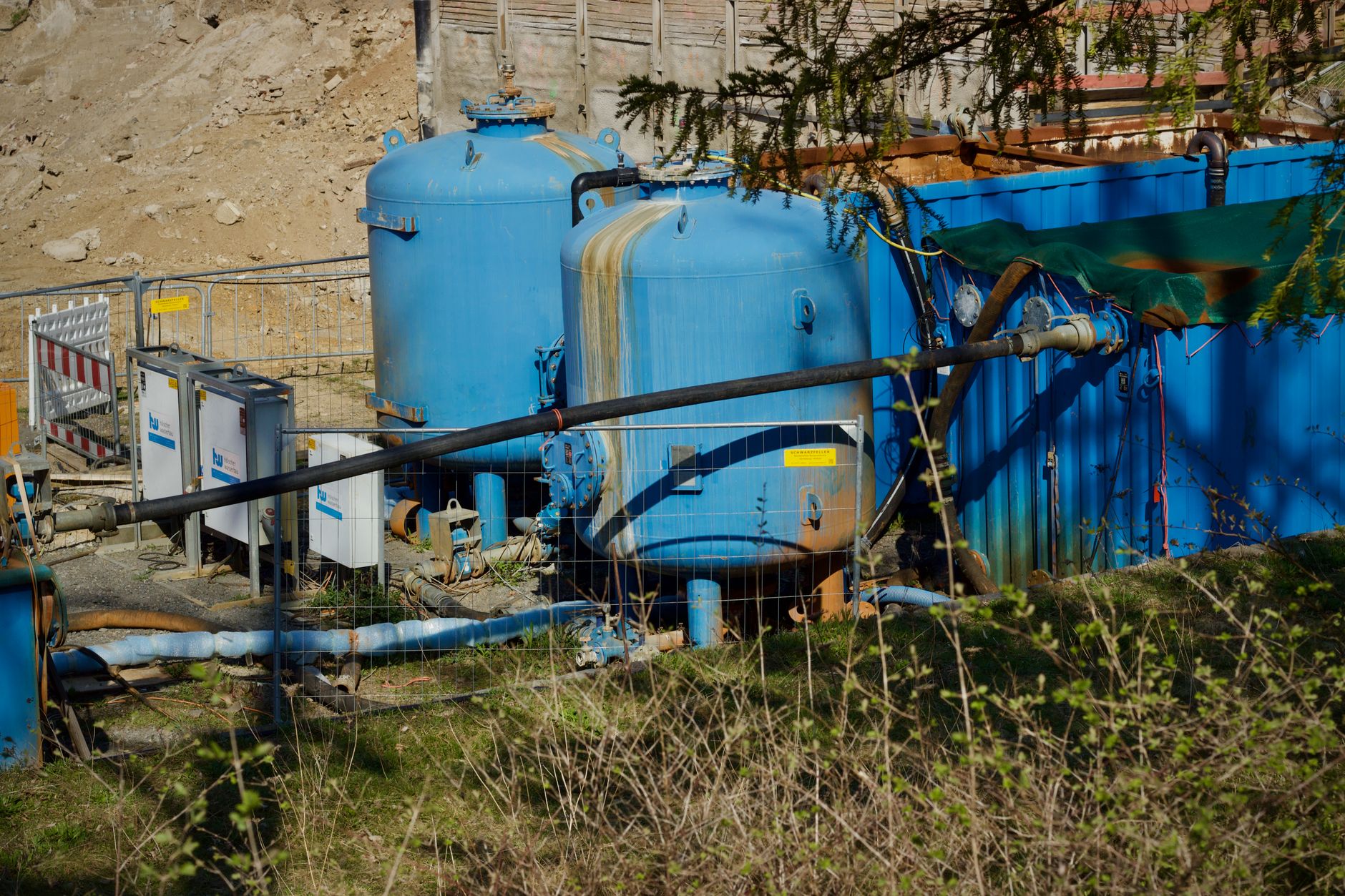
A city-commissioned infrastructure audit has confirmed that 38,000 lead service lines remain active across Columbus neighborhoods, triggering a federally mandated $340 million replacement program that is already reshaping the city’s budget priorities, straining its relationship with federal regulators, and prompting residents in several zip codes to reconsider how they use their tap water.
—
What the Audit Found — and Why It Matters Now
The audit was conducted as part of Columbus’s compliance obligations under the EPA’s revised Lead and Copper Rule. It catalogued the full scope of aging infrastructure still connecting city water mains to residential properties — and confirmed what many public health advocates had long suspected: lead pipes are not a relic problem confined to a handful of older homes. They are embedded throughout the city’s distribution network at a scale that demands immediate, coordinated action.
The Centers for Disease Control and Prevention maintains that there is no safe level of lead exposure. Even low-level contamination can contribute to developmental delays in children, cardiovascular damage in adults, and neurological effects that compound over time. The Columbus water system, like many mid-century municipal networks across the Midwest, was built during an era when lead was a standard material for service line construction.
In the eyes of federal regulators, the audit’s findings have elevated this from a long-term capital planning issue to an active public health emergency.
—
Four Zip Codes on Alert: What Residents Need to Know
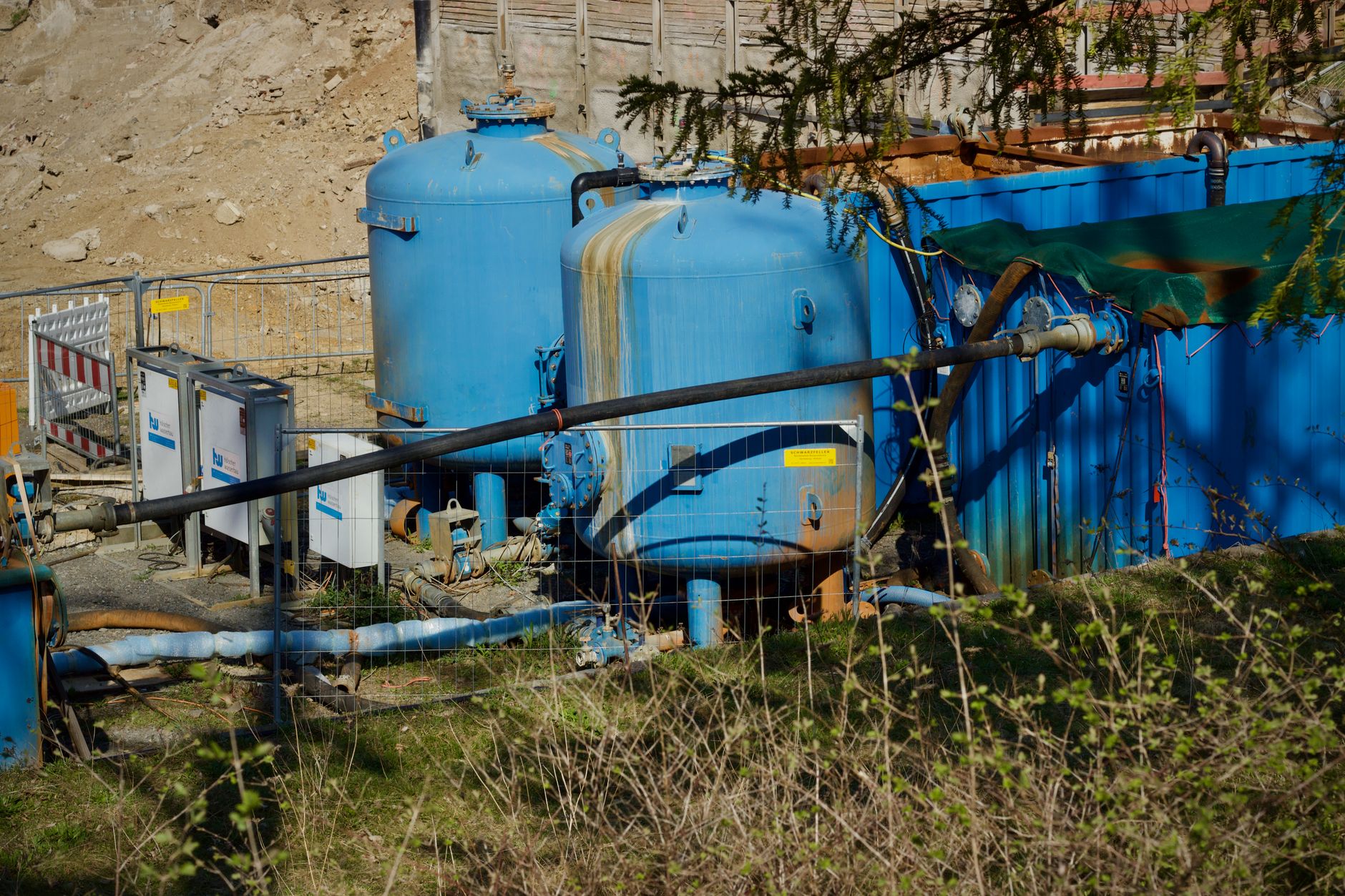
City officials have advised residents in four Columbus zip codes to use filtered water for drinking and cooking while replacement work is prioritized in their areas. Officials have specifically recommended NSF/ANSI 53-certified filters capable of removing lead particulates.
The city has stated that it is working to distribute filter pitchers and replacement cartridges to income-qualified households. Community advocates, however, have raised concerns about whether outreach is reaching renters, non-English-speaking residents, and households without reliable internet access to receive public notices.
Residents who want to confirm whether their home is served by a lead line can contact Columbus Public Utilities directly or consult the city’s online service line material map, which is being updated as audit data is verified.
—
The $340 Million Question: Who Pays, and How Fast?
The projected $340 million cost encompasses excavation, pipe replacement, service restoration, and the administrative infrastructure required to manage a replacement program at this scale. Federal funding through the Infrastructure Investment and Jobs Act — which allocated $15 billion nationally for lead pipe replacement — is expected to offset a significant portion of that figure, though the final federal-to-local funding split has not been publicly confirmed.
Ohio taxpayers and Columbus ratepayers are watching closely. Any gap between federal allocations and total project costs is likely to be passed on to water utility customers through rate adjustments — a prospect that has drawn particular scrutiny from council members representing lower-income districts, where lead pipe density is highest and household budgets are tightest.
Municipal bond analysts and infrastructure investors are also tracking the situation. Large-scale EPA compliance projects of this nature typically require bond issuance, and Columbus’s credit profile and execution timeline will influence borrowing costs for the duration of the program.
—
City Council vs. EPA: The Fight Over the Timeline
The sharpest political conflict to emerge from the audit is the standoff between Columbus City Council and the EPA over the compliance deadline. Federal regulators have set an 18-month window for the city to demonstrate measurable progress toward full lead pipe replacement — a timeline that city officials and infrastructure experts have characterized as operationally unrealistic given the scope of work involved.
Council members have argued that compressing a multi-year overhaul into 18 months risks poor workmanship, contractor shortfalls, and avoidable neighborhood disruption. The EPA, for its part, has signaled limited flexibility, citing the same public health urgency the audit confirmed.
Negotiations between city officials and regional EPA representatives are ongoing. The outcome will likely determine whether Columbus pursues a formal compliance schedule agreement — a structured legal arrangement that trades timeline flexibility for binding milestones — or faces enforcement action carrying financial penalties and reputational consequences.
—
The Broader Infrastructure Reckoning
Columbus is not alone. Cities across the country are confronting the accumulated deferred maintenance of water systems built generations ago, and the revised Lead and Copper Rule has compelled municipal governments to move from passive monitoring to active replacement at a pace many were not financially or operationally prepared to sustain.
What makes Columbus a bellwether is the convergence of scale, political conflict, and public visibility. The audit findings, the compressed EPA deadline, and the public health advisories have arrived simultaneously — forcing residents, ratepayers, council members, regulators, and investors alike to engage with infrastructure policy in real time rather than in the abstract.
—
What Comes Next
The coming months will be shaped by decisions made at the intersection of public health urgency and fiscal reality. Columbus residents are entitled to a water system that does not require a filter to be safe. Reaching that outcome will require the city to move with genuine speed, the EPA to engage with operational constraints in good faith, and state and federal funding partners to close the gap between what the audit revealed and what the city can reasonably finance on its own.
The 38,000 lead pipes still in the ground are not a future problem. They are a present one — and the EPA compliance clock is already running.
Send free SMS worldwide
Reach any mobile number in 200+ countries from your browser. No signup, no app.
Send a free SMS →