The Viral ‘Soft Life’ Trend Is Reshaping How Gen Z Talks About Work — and Brands Are Paying Attention
Burnout is no longer a badge of honor. For a growing number of young people, the most radical act isn’t grinding harder — it’s refusing to grind at all.
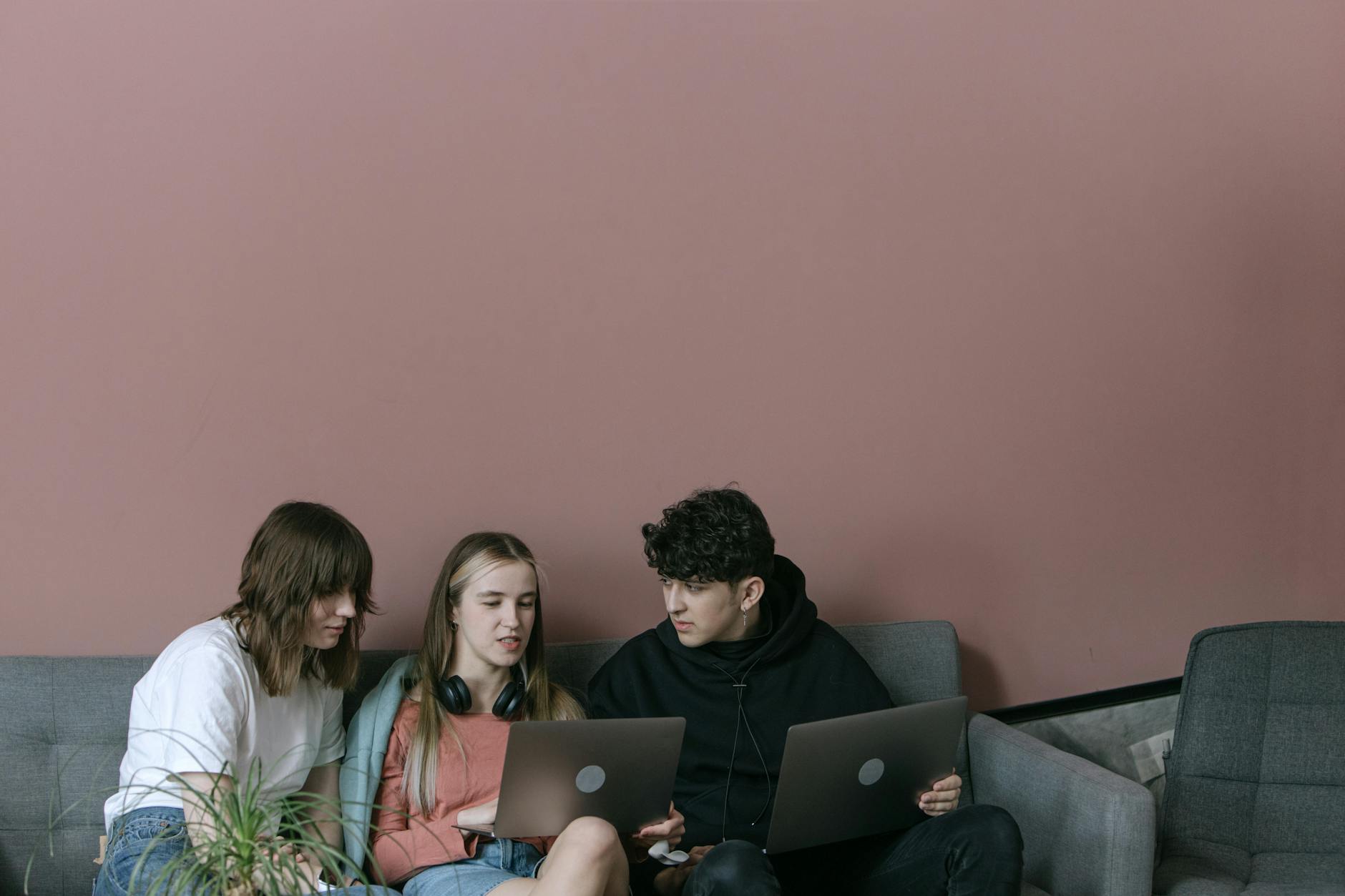
That refusal has a name, an aesthetic, and a global audience. The Soft Life trend, which originated in Nigerian social media culture as a celebration of comfort, ease, and intentional living, has traveled far beyond its roots. With more than 2.1 billion views accumulated across TikTok and Instagram, it has become one of the defining cultural movements shaping how Gen Z thinks about ambition, consumption, and self-worth. Brands — from luxury fashion houses to fintech startups — are recalibrating their messaging in response.
—
From Lagos to the For You Page
The phrase “soft life” has deep roots in West African vernacular, where it described a life of material comfort and freedom from hardship. On Nigerian Twitter and Instagram, it evolved into a fully realized aesthetic philosophy: silk sheets, spa days, unhurried mornings, and the deliberate rejection of struggle as a virtue.
When that sensibility reached TikTok, it found an audience primed to receive it. Gen Z’s relationship with work had already been destabilized by the pandemic, the normalization of remote work, and a sustained public reckoning with the costs of hustle culture. The Soft Life trend didn’t arrive as a foreign concept — it arrived as a vocabulary for something millions of young people already felt but hadn’t yet named.
Creators began pairing the aesthetic with candid commentary about leaving toxic jobs, setting boundaries with employers, and prioritizing mental health over career advancement. The content resonated widely. The hashtag multiplied. What had begun as a culturally specific expression became a genuinely global movement.
—
What the Trend Actually Means for Gen Z Work Culture
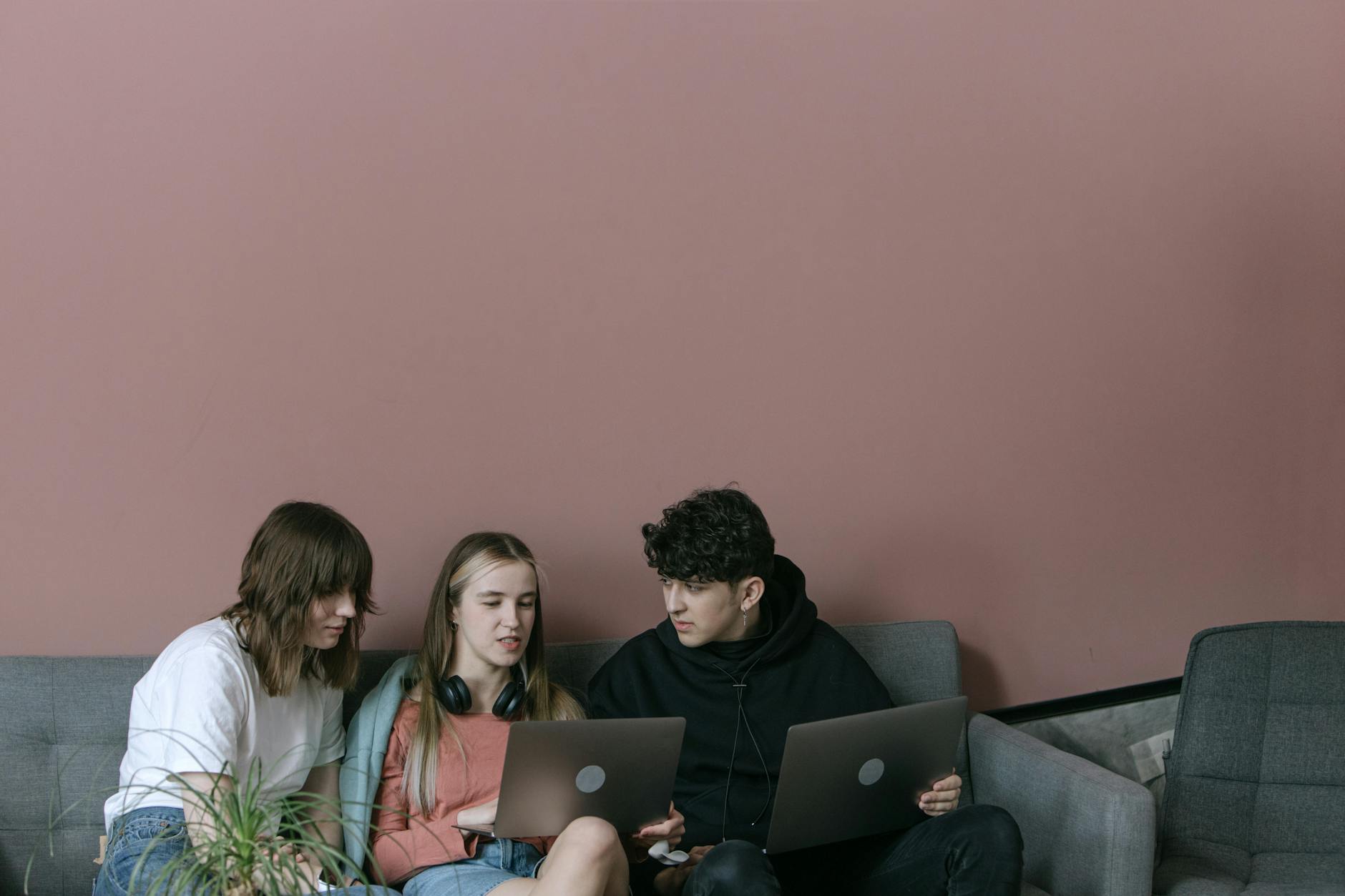
It would be easy to dismiss the Soft Life trend as aspirational escapism — pretty visuals of linen and lavender detached from economic reality. That reading misses the point.
For many Gen Z consumers, the movement is less about luxury and more about redefining what a good life looks like. It pushes back against the inherited assumption that suffering and sacrifice are prerequisites for success. It questions whether a 60-hour work week signals dedication or a broken system. And it does so not through protest or policy, but through aesthetics and personal narrative — the native languages of social media.
The implications for workplace culture are measurable. Surveys consistently show that younger workers rank work-life balance and mental health support above salary when evaluating employers. The Soft Life trend didn’t create that preference, but it has given it cultural momentum and a shareable identity.
—
Why Brands Are Paying Close Attention
When a cultural movement accumulates billions of views, marketing departments take notice. The more revealing question is how brands are choosing to respond — and which ones are getting it right.
The most visible shift has been in creator partnerships. Brands that once built their Gen Z campaigns around productivity, hustle, and achievement are increasingly pivoting toward messaging rooted in rest, indulgence, and self-care. Wellness brands, travel companies, and lifestyle labels have been quickest to align their visual language with the Soft Life aesthetic — golden-hour content, slow mornings, and the quiet appeal of doing less.
Luxury goods brands, in particular, have found a natural fit. The Soft Life trend reframes spending on comfort and beauty as an act of self-respect rather than frivolity, which maps neatly onto how premium lifestyle brands have long wanted to be perceived. Campaigns from beauty and fashion labels over the past two years have leaned noticeably harder into ease and sensory pleasure than into aspiration and status — a tonal shift that appears to track with the trend’s rise, though individual campaign strategies remain proprietary.
Fintech companies present a more nuanced case. Several challenger banks and budgeting apps have begun framing financial wellness not as discipline and deprivation, but as the foundation for a softer, more intentional life. The message is clear: saving and investing aren’t about grinding toward a distant retirement — they’re about buying back your time now. It’s a meaningful reframe that speaks directly to what the Soft Life movement values, and a notable departure from the anxiety-driven messaging that has historically dominated personal finance marketing.
—
The Creator Economy at the Center
No analysis of this trend is complete without acknowledging the creators who built it. The Soft Life aesthetic didn’t emerge from a brand strategy deck — it was shaped by individual voices, many of them Black women, who shared their own visions of ease and abundance online.
That origin matters for brands entering the space. Audiences are attuned to the difference between a brand that genuinely understands a cultural movement and one that has simply borrowed its color palette. Creator partnerships that center authentic voices — particularly those connected to the trend’s African roots — tend to land with far more credibility than campaigns that treat the aesthetic as a mood board stripped of context.
As campaign budgets continue shifting toward creator-led content, the Soft Life trend offers a instructive case study in how cultural movements travel, transform, and eventually become contested ground between organic community expression and commercial adoption.
—
A Movement That Reflects Something Larger
The Soft Life trend is not a passing aesthetic cycle. It is a visible expression of a generational renegotiation — one in which young people are actively questioning the terms on which they work, spend, rest, and define success.
For brand marketers and cultural analysts, the movement signals that Gen Z is not simply a demographic to be targeted but a cultural force actively reshaping the values that marketing must now speak to. For Gen Z consumers and creators, it functions as both mirror and manifesto.
The brands that earn lasting relevance with this generation will not be those that chase the aesthetic. They will be those that genuinely reckon with what it means.
Send free SMS worldwide
Reach any mobile number in 200+ countries from your browser. No signup, no app.
Send a free SMS →