Columbus Breaks Ground on $220M Broadband Grid Expansion Targeting 47,000 Unconnected Households
For thousands of Columbus families, a reliable internet connection has meant the difference between a child completing homework and falling behind, between a job application submitted and an opportunity missed. That gap is now officially in the crosshairs of city government.
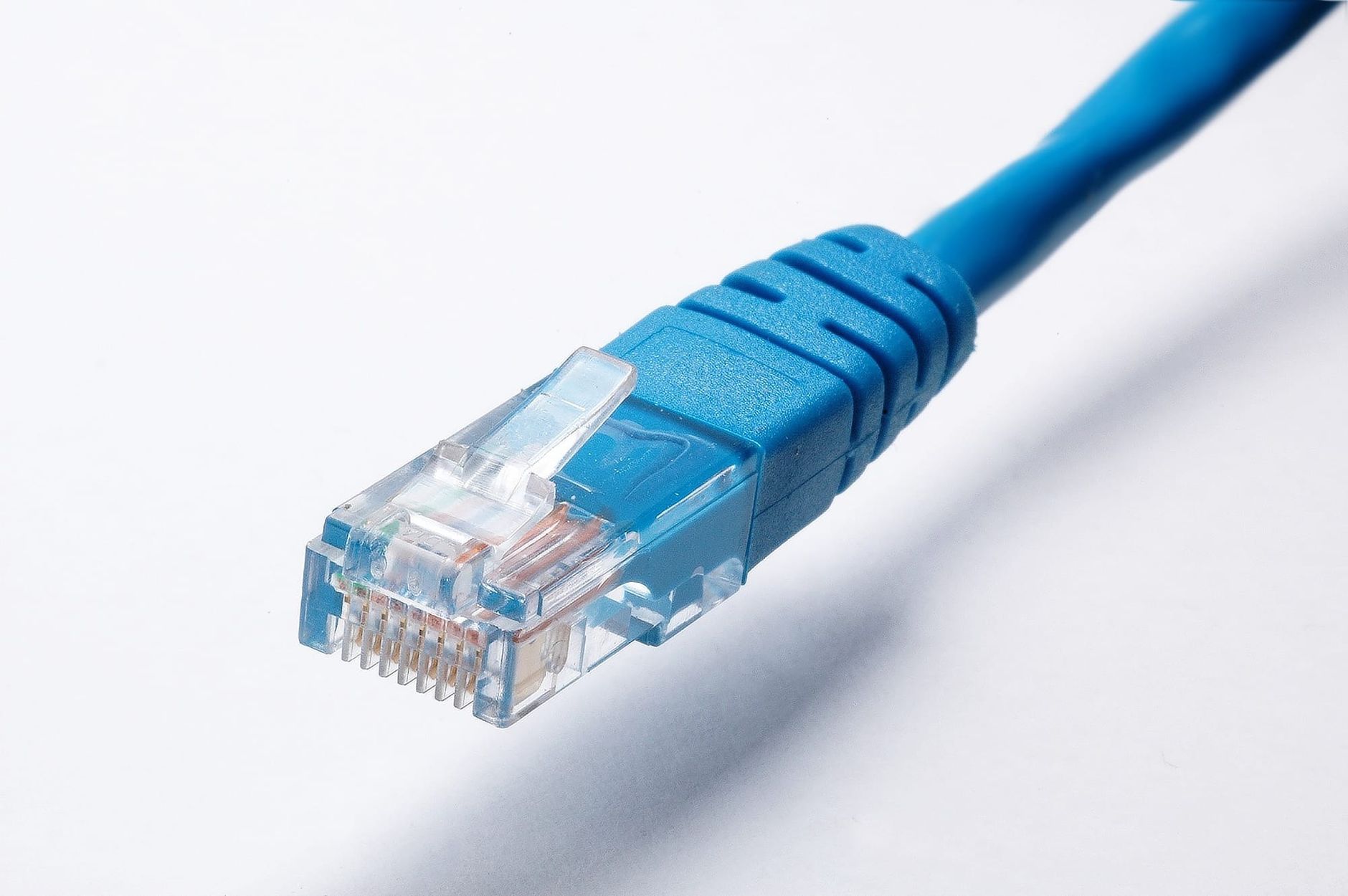
Columbus City Council has approved a $220 million public-private broadband infrastructure deal designed to connect 47,000 households in underserved east and south Columbus neighborhoods by 2027. The agreement pairs the city with a regional internet service provider to build out 14 new fiber nodes across some of the most connectivity-starved corridors in Franklin County — and it includes a free 100Mbps service tier for qualifying low-income residents.
The investment ranks among the most aggressive municipal broadband commitments in Ohio’s history, and it arrives with a clear mandate: close the digital divide before it widens further.
—
What the City Council Approved
The Columbus broadband package is structured as a public-private partnership, with the city committing public funds alongside private capital from the regional ISP. The $220 million total covers physical fiber infrastructure, node construction, installation labor, and a subsidized service program for income-eligible households.
The 14 new fiber nodes will serve as distribution anchors across targeted ZIP codes in east and south Columbus — areas the city’s own data has consistently flagged as broadband deserts. Once operational, the network is designed to deliver symmetrical gigabit-capable speeds to residential and small business customers, with the free 100Mbps tier available to households meeting federal low-income thresholds.
Council members framed the vote not as a discretionary expenditure but as foundational infrastructure — comparable in civic importance to roads and water systems.
—
Why Now: The Digital Equity Audit That Changed the Conversation
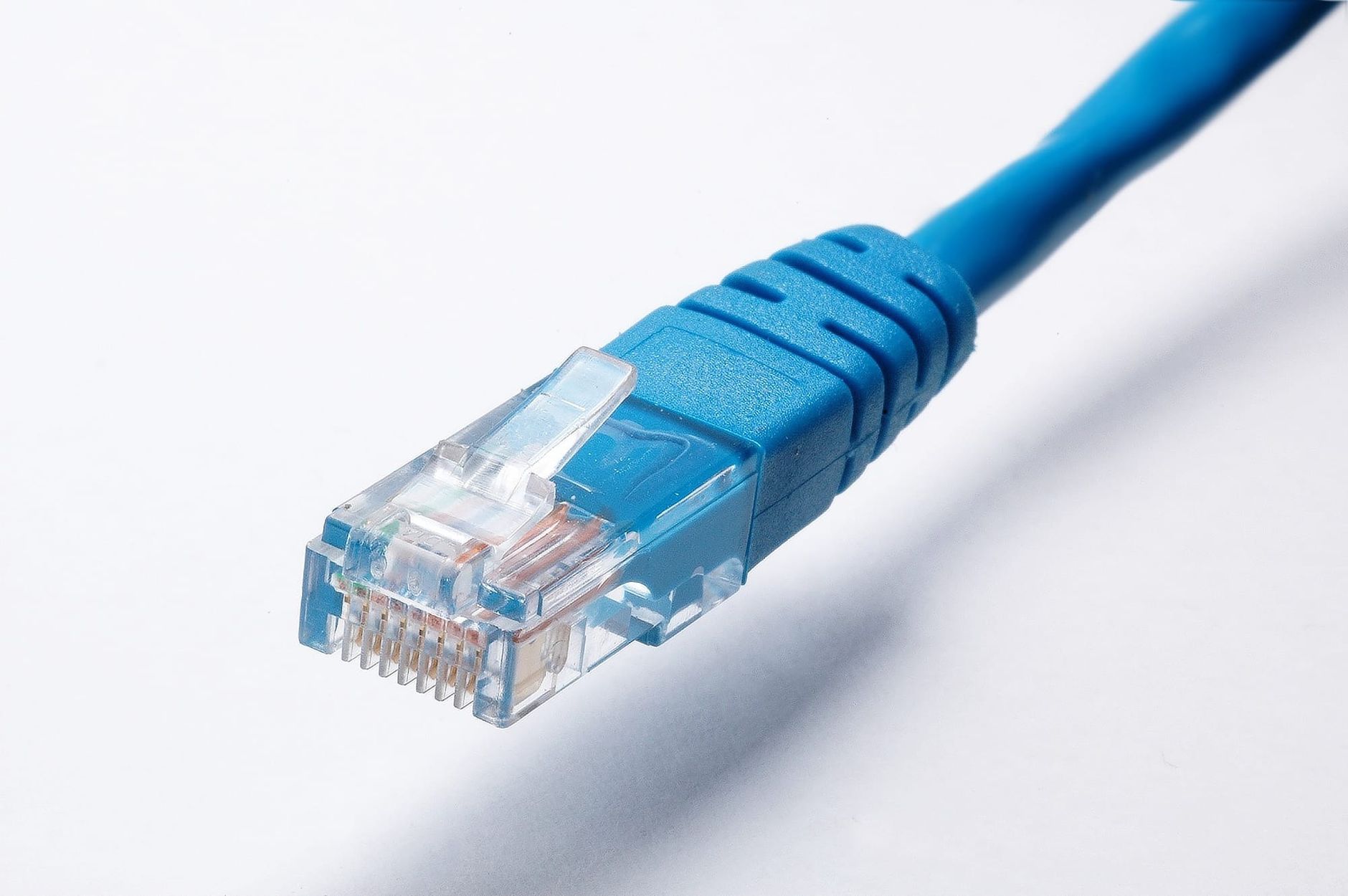
The timing of this investment is not accidental. Last quarter, Columbus released a comprehensive digital equity audit that mapped connectivity gaps at the neighborhood level with greater precision than city planners had previously published. The findings were stark: tens of thousands of households in east and south Columbus lacked access to broadband speeds meeting the FCC’s current definition of high-speed internet, and adoption rates in those same areas lagged the city average by a significant margin — even where service technically existed.
The audit identified cost, infrastructure absence, and digital literacy as the three primary drivers of the gap. The new fiber deal directly addresses the first two. A companion digital literacy initiative, funded separately through the city’s technology department, is expected to address the third.
Digital equity advocates who pushed for the audit say the City Council’s response demonstrates that data-driven advocacy can move municipal policy — and move it quickly.
—
The Neighborhoods at the Center
East and south Columbus have long borne the weight of underinvestment across multiple infrastructure categories. The broadband gap in these communities reflects broader patterns of economic disinvestment, and residents and community organizations have been vocal for years about the consequences.
For students in households without reliable internet, remote learning during the pandemic exposed what had long been true: connectivity is not optional in a modern economy. For small business owners in these corridors, the absence of affordable high-speed service has constrained growth and competitiveness. For seniors navigating telehealth appointments and government services that have migrated online, the gap has carried real health and safety consequences.
The 14 fiber nodes will be geographically distributed to maximize coverage density across these underserved neighborhoods, with installation timelines staggered throughout the 2025–2027 project window.
—
How the Free Tier Works
The 100Mbps free service tier is among the most closely watched elements of the plan. Households meeting income thresholds aligned with existing federal assistance programs will be able to apply for no-cost service once fiber infrastructure reaches their address.
The structure draws from models tested in other cities and from the now-expired federal Affordable Connectivity Program, which demonstrated robust demand for subsidized broadband among low-income households when the enrollment process was accessible. City officials have indicated that applications will be processed through existing social services infrastructure to reduce friction for eligible residents.
Speed and reliability standards for the free tier are written into the partnership agreement, meaning the ISP is contractually obligated to deliver 100Mbps symmetrical service — not a throttled or degraded alternative.
—
What Comes Next
Construction on the first fiber nodes is expected to begin within the coming months, with the initial phase targeting the highest-density unconnected areas. The city has committed to publishing quarterly progress reports, and the partnership agreement includes performance benchmarks tied to household connection milestones.
Ohio policy stakeholders are watching Columbus closely. Several other Ohio cities have been exploring similar public-private models, and a successful rollout here could provide a replicable framework for municipal broadband expansion across the state — particularly as federal infrastructure funding continues to flow through state broadband offices.
—
A Turning Point for Digital Equity in Columbus
The $220 million Columbus broadband investment is more than a construction project. It is a policy statement about who the city believes deserves access to the infrastructure of modern life. By anchoring the plan in the findings of its own digital equity audit, City Council has drawn a direct line of accountability between data and response — and set a standard for how cities can move from diagnosis to action.
For the 47,000 households in east and south Columbus that have waited too long for reliable connectivity, the groundbreaking is not the finish line. It is, finally, the starting gun.
Send free SMS worldwide
Reach any mobile number in 200+ countries from your browser. No signup, no app.
Send a free SMS →