NFL Sunday Ticket Antitrust Ruling Could Force $14 Billion Payout — and Reshape How America Watches Football
For decades, watching out-of-market NFL games meant one thing: paying DirecTV hundreds of dollars a year for Sunday Ticket, whether you wanted two games or twenty. A federal appeals court has now signaled that arrangement may have been illegal all along — and the price tag for that alleged collusion could reach $14.1 billion.
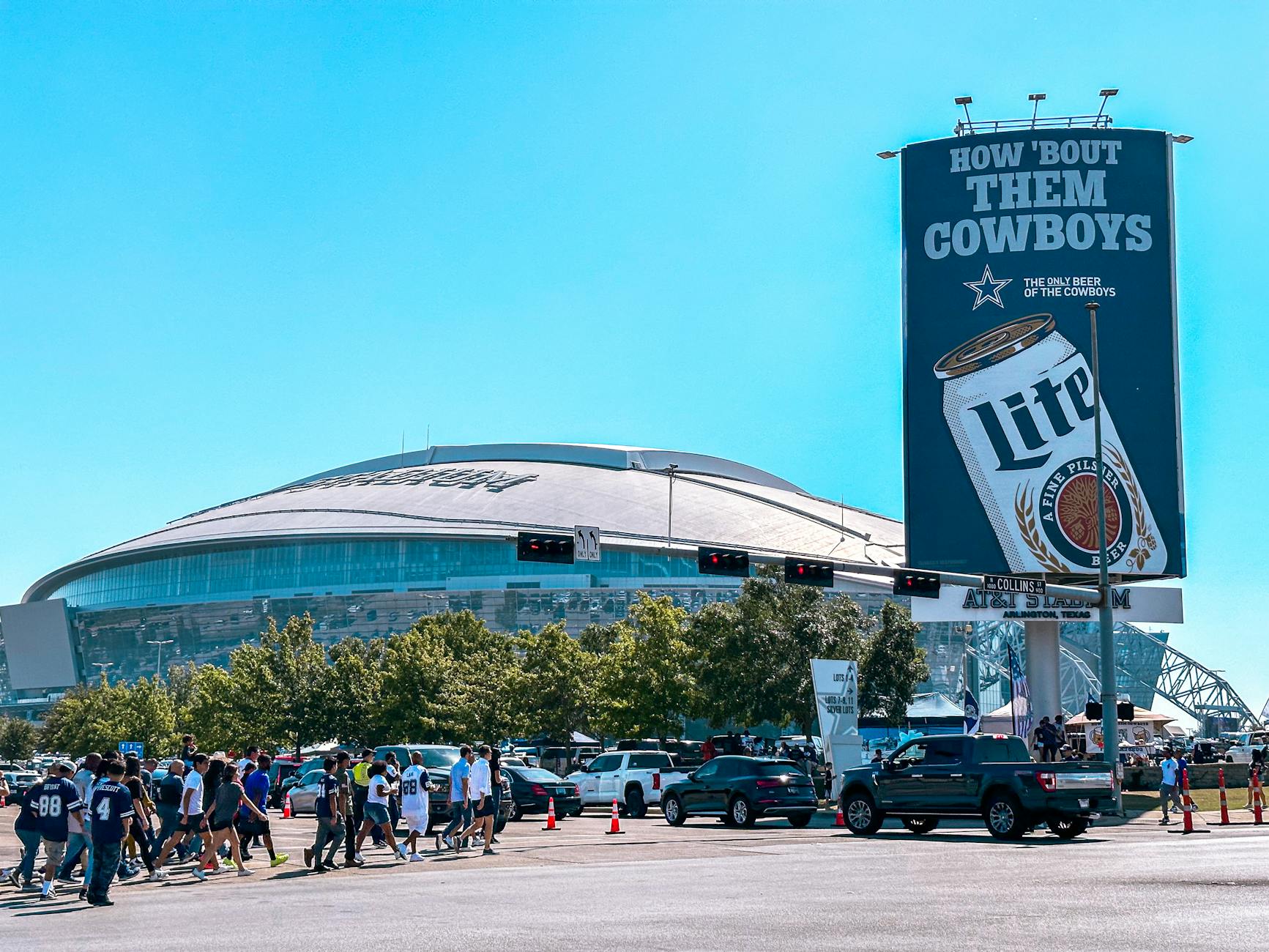
The Ninth Circuit Court of Appeals recently reinstated a landmark antitrust class action against the NFL and DirecTV, reversing a lower court decision that had dismissed the case. The ruling sends shockwaves through professional football’s $110 billion media rights empire and revives a question millions of cord-cutters have asked for years: why has watching your home team from another city always cost so much?
What the Lawsuit Actually Claims
The class action rests on a straightforward allegation: the NFL and its broadcast partners conspired to restrict the availability of out-of-market games, funneling them exclusively through DirecTV’s Sunday Ticket package at artificially inflated prices. Plaintiffs argue this arrangement violated federal antitrust law by eliminating competition that would otherwise have driven prices down and expanded consumer choice.
The case covers residential subscribers and commercial establishments — bars and restaurants — that paid for Sunday Ticket packages over a multi-year period. Both groups contend they were overcharged because the NFL’s exclusive bundling agreement with DirecTV prevented any competing streaming or broadcast service from offering the same games at a lower price.
A jury previously sided with the plaintiffs and awarded roughly $4.7 billion in damages. Under antitrust law, that figure is automatically trebled, which is how potential liability climbs to approximately $14.1 billion — one of the largest antitrust damage awards in American legal history, if it holds.
Why the Appeals Court Reversed Course
The district court had set aside the verdict on procedural grounds, questioning whether the plaintiffs’ damages model was legally sound. The Ninth Circuit disagreed, finding that the lower court applied the wrong standard when it decertified the class and vacated the jury’s award.
By reinstating the class action, the appeals court has opened a viable path back to trial or settlement. Legal analysts note that the ruling reaffirms a broad interpretation of antitrust standing for consumers in sports media markets — a significant development that extends well beyond football.
For the NFL, the decision is a direct challenge to the league’s longstanding practice of pooling member teams’ broadcast rights and selling them as a single package. The league has historically defended this model under the Sports Broadcasting Act of 1961, which grants professional sports leagues a limited antitrust exemption for certain television deals. Plaintiffs contend that exemption does not cover the kind of exclusive, price-inflating arrangement Sunday Ticket represented.
The $110 Billion Media Empire at Stake
The NFL’s current media rights portfolio is substantial. Deals with CBS, Fox, NBC, ESPN, and Amazon Prime Video collectively run through the early 2030s and are valued at more than $110 billion in total. Sunday Ticket itself migrated from DirecTV to YouTube TV and YouTube Primetime Channels beginning with the 2023 season, in a deal reportedly worth around $2 billion annually.
That transition complicates — and amplifies — the litigation’s consequences. The alleged antitrust violations predate the YouTube deal, meaning DirecTV remains a central defendant for the historical conduct. But the outcome will inevitably shape how the NFL structures future streaming rights agreements.
If courts ultimately determine that exclusive, bundled out-of-market packages are anticompetitive, the league could be compelled to offer games on an à la carte basis — individual teams, individual games, or regional packages sold through competing platforms. Industry observers suggest that outcome could materialize within two years if the case moves quickly toward resolution.
What It Means for Fans
For ordinary football fans, the implications are potentially transformative. The current streaming rights landscape remains fragmented and expensive. A fan in Chicago who wants to watch their team play on the road still faces a patchwork of subscription services, blackout rules, and premium add-ons that can collectively rival the cost of a traditional cable package.
An antitrust remedy requiring the NFL to unbundle out-of-market games could finally deliver what cord-cutters have long demanded: the ability to pay for specific content, on the platform of their choice, at prices set by genuine market competition rather than an exclusive licensing arrangement.
That said, antitrust remedies are rarely swift or straightforward. Even if plaintiffs prevail on remand, the NFL will almost certainly appeal further, and any structural remedy would likely be negotiated or litigated separately from the damages question. Fans hoping to stream individual games à la carte by next season should temper their expectations accordingly.
A Broader Warning for Sports Media
The Sunday Ticket case does not exist in isolation. Regulators and courts across multiple jurisdictions have grown increasingly skeptical of exclusive media bundling arrangements, particularly as streaming has rendered the technical barriers to competition largely obsolete. The argument that a league must sell all its games through a single gatekeeper to remain financially viable is considerably harder to sustain in 2025 than it was in 2005.
The financial and reputational stakes for the NFL are significant. A $14.1 billion judgment would dwarf any previous antitrust settlement in American sports history and could trigger renegotiations across the league’s entire media rights structure. Broadcasters and streaming platforms holding current NFL deals will be monitoring the case closely, aware that a ruling against exclusive bundling could rewrite the terms of their own agreements at renewal.
The Bottom Line
The Ninth Circuit’s decision to reinstate the Sunday Ticket class action is more than a procedural victory for plaintiffs — it is a fundamental challenge to how professional football has monetized its product for fifty years. With $14.1 billion in potential damages on the line and the NFL’s media empire directly in the crosshairs, the case may ultimately force the league to choose between defending a legacy business model and adapting to a streaming era that has already begun to leave it behind. For fans who have spent years paying premium prices to watch their team play away games, the courts may finally be asking the same question they have: was any of this ever fair?
Send free SMS worldwide
Reach any mobile number in 200+ countries from your browser. No signup, no app.
Send a free SMS →