Federal Court Blocks State Social Media Age Verification Law Hours Before Implementation
With less than 24 hours before a sweeping age verification mandate was set to take effect, a federal judge issued an emergency injunction blocking the law, delivering a significant victory to digital rights advocates and social media platforms that argued the regulation would fundamentally reshape how millions of Americans access online content.
Constitutional Concerns Halt Enforcement
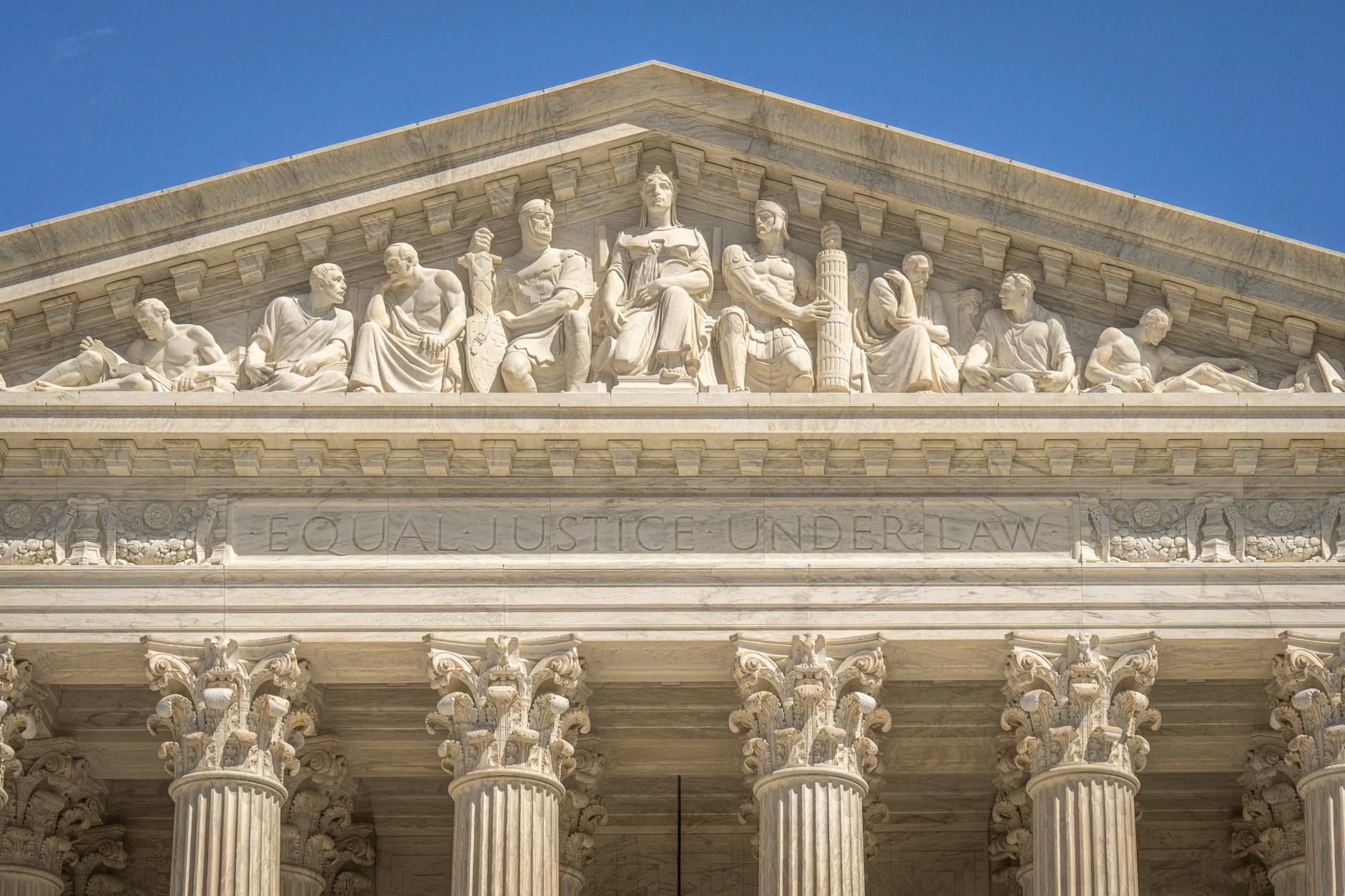
The preliminary injunction, issued late Wednesday evening, prevents enforcement of the state law that would have required social media platforms to verify the ages of all users and obtain parental consent for minors under 16. The U.S. District Court ruled that the plaintiffs—a coalition of tech industry groups and civil liberties organizations—demonstrated a likelihood of success in their First Amendment challenge.
The court found that the age verification requirements would impose substantial burdens on adults’ constitutional right to access lawful speech anonymously. By requiring all users to submit government-issued identification or biometric data to access social media platforms, the law would create what the judge described as “a significant chilling effect on protected expression.”
The Stakes for Platform Compliance
Had the law taken effect as scheduled, social media companies would have faced compliance costs estimated in the hundreds of millions of dollars. The regulation mandated sophisticated age verification systems capable of processing identification documents, implementing parental consent mechanisms, and maintaining detailed records of user ages.
Major platforms including Meta, X (formerly Twitter), and TikTok had warned that implementing such systems on the compressed timeline would be technically unfeasible. Beyond the immediate compliance burden, companies expressed concern that the law would set a precedent for state-by-state social media regulation, creating a fragmented regulatory landscape that could fundamentally alter how platforms operate nationwide.
The injunction provides temporary relief, but the underlying legal battle continues. Platform operators must still prepare for the possibility that similar laws in other jurisdictions may survive judicial scrutiny or that this particular statute could be modified to address the court’s constitutional concerns.
Privacy Implications and User Impact
Digital rights organizations celebrated the injunction, emphasizing the privacy risks inherent in mandatory age verification systems. Critics of the law argued that requiring users to submit sensitive personal information—including government IDs, facial scans, or other biometric data—to access social media would create massive databases vulnerable to breaches and government surveillance.
“This decision recognizes that you shouldn’t have to surrender your privacy and anonymity just to exercise your First Amendment rights online,” said representatives from the coalition challenging the law. The groups pointed to research showing that mandatory identification requirements reduce participation in online forums, particularly among vulnerable populations including domestic violence survivors, LGBTQ+ youth, and political dissidents.
The injunction affects millions of users who would have been required to verify their identities to maintain access to their social media accounts. While proponents of age verification argue such measures protect children from harmful content, opponents contend the approach sacrifices fundamental rights while offering questionable safety benefits.
The Broader Debate Over Online Child Safety
The blocked law represents one of numerous state-level attempts to regulate social media platforms in the name of protecting minors. Legislators across the country have introduced age verification bills, citing concerns about mental health impacts, exposure to inappropriate content, and online predators.
Supporters of these measures argue that social media companies have failed to self-regulate effectively and that government intervention is necessary to safeguard children. They point to studies documenting correlations between social media use and adolescent mental health challenges, though researchers debate the causal relationships and appropriate policy responses.
However, child safety advocates remain divided on whether age verification mandates represent effective solutions. Some organizations focused on youth welfare joined the challenge against the law, arguing that blanket access restrictions may prevent teenagers from accessing vital support resources, mental health information, and communities that provide crucial social connections.
First Amendment Precedents and Future Litigation
The court’s decision draws on established First Amendment precedents holding that laws restricting access to protected speech must satisfy strict scrutiny—the most demanding standard of judicial review. Previous cases have struck down attempts to regulate online content that imposed broad burdens on adult access to lawful material, even when motivated by child protection goals.
Legal experts note that the decision aligns with Supreme Court rulings dating back to the 1990s that have consistently rejected internet regulations reducing adult access to constitutionally protected content to what is appropriate for children. The challenge for lawmakers is crafting social media regulation that addresses legitimate concerns about minors without unconstitutionally restricting adults’ rights.
The state has indicated it will appeal the preliminary injunction and may attempt to revise the statute to address the court’s concerns. Meanwhile, similar laws pending in other states face uncertain futures as legislators and attorneys general assess the implications of this ruling.
What Comes Next
This injunction marks a critical moment in the ongoing tension between child safety objectives and constitutional protections for online speech. While the immediate crisis for platforms and users has been averted, the fundamental questions remain unresolved: How can governments protect minors online without infringing on adults’ rights? What role should age verification play in social media regulation? And who bears responsibility for creating safer online environments?
As this case proceeds through the courts and similar legislation advances in other jurisdictions, the outcome will shape the future of internet regulation and determine whether Americans can access social media platforms without sacrificing their privacy and anonymity. The decision serves as a reminder that even well-intentioned efforts to protect children must respect the constitutional framework that protects free expression for all.
Send free SMS worldwide
Reach any mobile number in 200+ countries from your browser. No signup, no app.
Send a free SMS →