UPS Deploys AI Sorting Robots at 15 Hubs as Teamsters Demand Automation Transparency Clause in Next Contract
The machines are already on the floor. The question now is whether workers will have any say in what happens next.
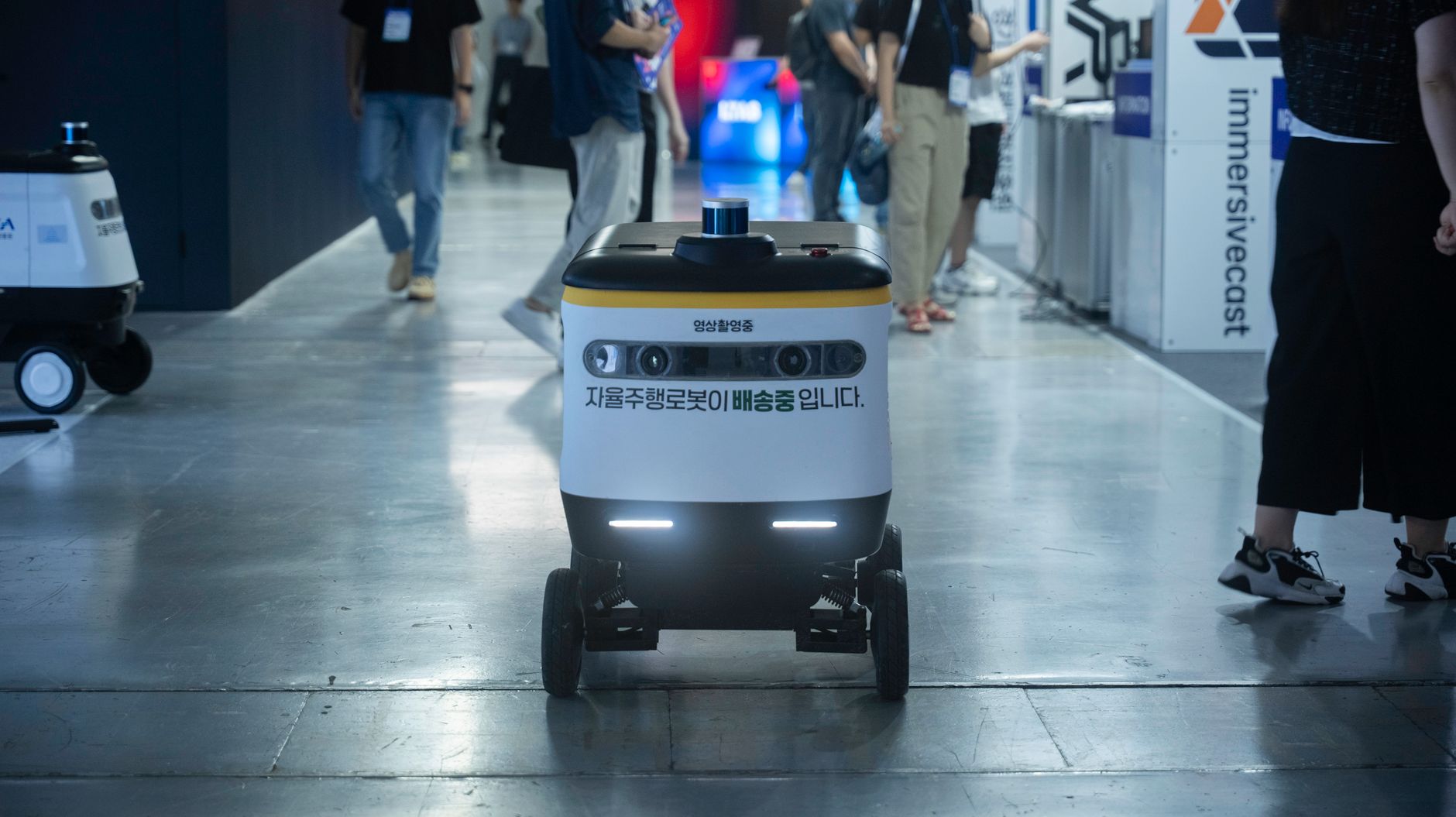
United Parcel Service has quietly expanded its AI-powered robotic sorting systems across 15 major distribution hubs, a rollout that company officials say delivers processing speeds roughly 40 percent faster than traditional human-led sorting operations. For Teamsters negotiators watching the deployment unfold, the pace of that expansion — and the near-silence surrounding it — has become the central flashpoint heading into the next round of contract talks.
—
What the Robots Are Actually Doing
The UPS automation push centers on AI-guided robotic systems capable of scanning, sorting, and routing packages with minimal human intervention. Using machine vision and real-time data processing, the systems identify packages, read labels, and direct items along conveyor networks — tasks that have historically required large teams of sorters working physically demanding overnight shifts.
At the 15 hubs where the technology has been deployed, the systems operate continuously, without breaks, and adapt dynamically to shifting package volumes. For logistics operations managing millions of daily shipments, the efficiency gains are measurable and significant. For the workers whose labor those systems are replacing or supplementing, the picture is considerably more complicated.
—
The Teamsters’ Core Demand: Audit Rights Before Displacement
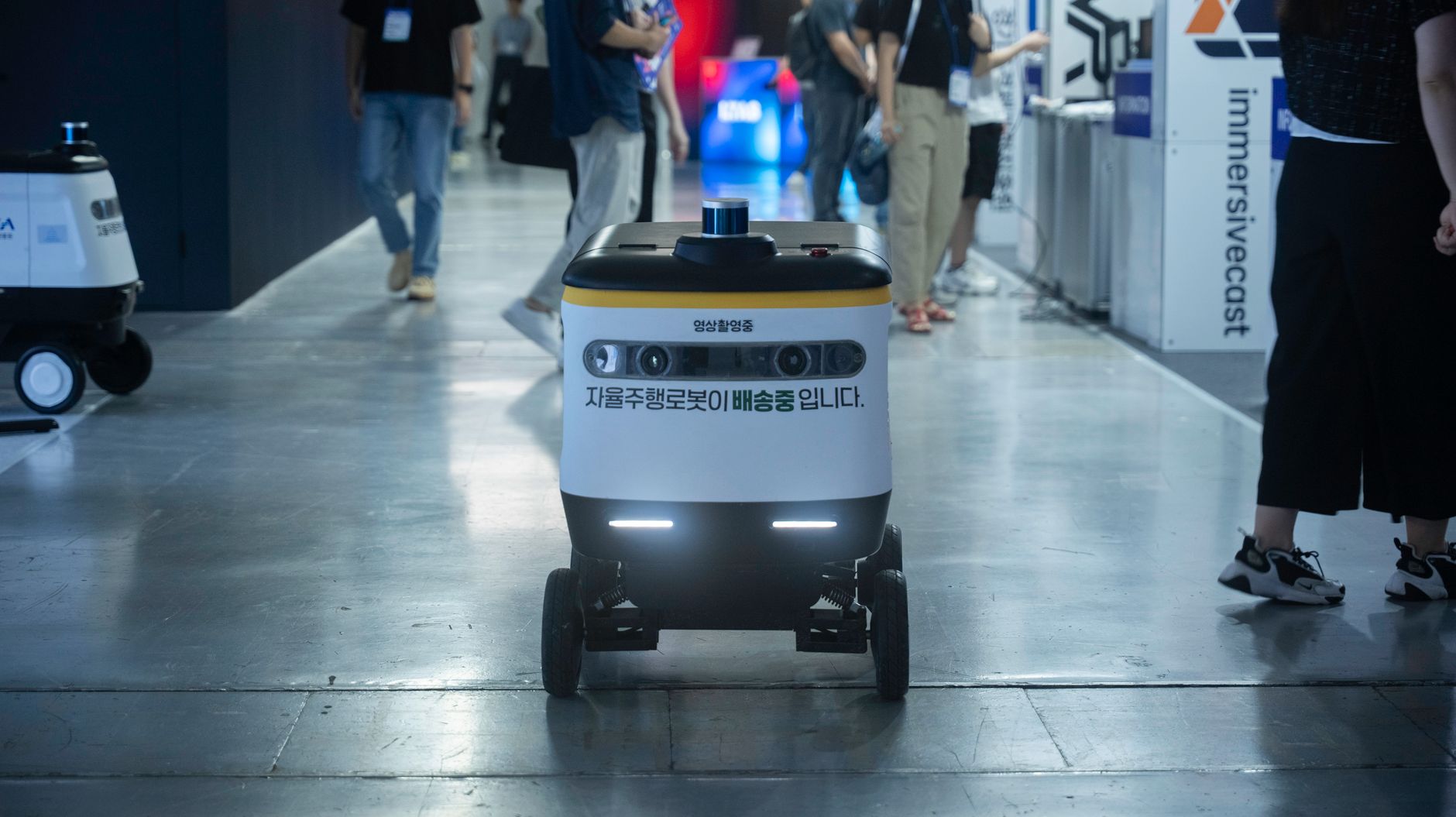
Teamsters negotiators are not simply opposing automation. Their position is more precise — and, labor analysts say, more strategically sophisticated than a blanket resistance to technology.
The union is pushing for a contractual automation transparency clause that would require UPS to formally notify the union before deploying new AI or automated systems at any facility, disclose projected workforce impacts, and submit to a joint audit process before those systems go live. The goal is not to halt UPS’s automation program but to ensure that workers are not blindsided by displacement and that the union has a meaningful seat at the table when deployment decisions are made.
Such language would represent a significant shift in how Teamsters contracts address technology. Previous agreements have included job security provisions and successorship clauses, but an explicit right to audit automation deployment before it displaces workers would be largely unprecedented in the logistics sector.
—
Why the 40% Speed Claim Matters — and Why Workers Are Skeptical
UPS has pointed to productivity gains from its AI robot deployments as evidence that the technology strengthens the company’s competitive position, which in turn supports long-term employment across the network. It is an argument the company has made before, and it carries some weight in an industry facing intense pressure from Amazon’s vertically integrated logistics arm.
Workers at several affected hubs, however, have raised pointed questions about what those efficiency gains actually mean for headcount. When a robotic sorting system processes packages 40 percent faster than a human team, the immediate operational question is whether the facility needs fewer workers per shift, whether workers are reassigned to other roles, or whether volume growth absorbs the difference. In practice, the answer varies by hub — and that inconsistency is precisely what the Teamsters say makes a transparency clause necessary.
Without contractual audit rights, workers and union representatives have no reliable mechanism to distinguish between automation that genuinely creates new roles and automation that quietly erodes warehouse jobs over successive contract cycles.
—
A Broader Pattern in the Logistics Industry
UPS is not alone in this push. Across the logistics and fulfillment sector, AI robots and automated sorting systems have become a standard capital investment, driven by labor costs, e-commerce volume growth, and the competitive dynamics set by Amazon’s warehouse automation program. FedEx, DHL, and major third-party logistics providers have all accelerated similar deployments in recent years.
What makes the UPS situation distinct is the scale of the Teamsters’ bargaining power. The union represents more than 340,000 UPS workers under its national master agreement — one of the largest private-sector labor contracts in the United States. When Teamsters negotiators push for automation transparency language, the outcome of those talks will likely set a precedent that reverberates across the industry.
Labor policy analysts have noted that the Teamsters’ approach mirrors strategies being tested in other sectors, including auto manufacturing and healthcare, where unions are increasingly seeking technology governance rights rather than simply wage and benefit protections.
—
What a Transparency Clause Could Look Like in Practice
If the Teamsters succeed in securing an automation transparency clause, it would likely include several components: advance notice requirements before new AI systems are installed at any hub; disclosure of projected impacts on job classifications and shift structures; a joint labor-management review process with defined timelines; and remediation obligations if deployment results in involuntary layoffs or significant reductions in hours.
Proponents argue this framework would not slow UPS’s automation program — it would simply make the process legible to the workers most affected by it. Critics within the company and among logistics industry groups contend that mandatory audit processes could introduce delays that undermine UPS’s ability to respond quickly to competitive pressures.
The tension between those two positions will define the next Teamsters contract negotiation.
—
The Stakes for Workers and the Industry
For UPS workers, the deployment of AI robots across 15 hubs is not an abstract policy debate. It is a concrete change to the conditions under which they work, the number of colleagues on their shifts, and the long-term security of their livelihoods. The Teamsters’ demand for a transparency clause reflects a recognition that the traditional tools of labor negotiation — wages, benefits, seniority protections — are insufficient on their own when the fundamental nature of the work is being restructured by technology.
The outcome of these negotiations will matter well beyond UPS loading docks. If the Teamsters secure meaningful audit rights over automation deployment, they will have established a model that other unions in logistics, manufacturing, and beyond will study closely. If they do not, the precedent will be equally instructive — a signal that even the most powerful private-sector union in the country could not translate widespread worker concern about AI displacement into contractual protection.
The machines are already on the floor. Whether workers have a voice in what comes next is still being decided.
Send free SMS worldwide
Reach any mobile number in 200+ countries from your browser. No signup, no app.
Send a free SMS →