The ‘Soft Life’ Audit: How Nigerian Influencers Built a $180M Aspirational Economy — and Who’s Cashing Out
A single viral thread shattered a carefully curated illusion. Within 72 hours, it had accumulated 14 million impressions — not by celebrating Nigeria’s booming influencer class, but by exposing the money flowing behind the aesthetic. The numbers are striking. The questions they raise are even more so.
—
What the Data Actually Shows
Three creator analytics firms — tracking engagement rates, disclosed partnerships, and estimated CPM valuations across Instagram, TikTok, and YouTube — arrived at the same striking figure: Nigeria’s top 50 lifestyle influencers collectively earned an estimated **$180 million in brand partnerships in 2024**.
That figure places the Nigerian creator economy among the fastest-growing influencer markets on the continent, surpassing South Africa and Kenya in raw brand deal volume. Of that total, an estimated **$40 million was generated during Detty December** — the Lagos-anchored holiday season that has evolved from a local cultural moment into a full-scale commercial spectacle, drawing diaspora travelers, global brands, and content creators chasing peak engagement windows.
Earnings are heavily concentrated at the top. The ten highest earners are estimated to account for more than half of the $180 million total, while mid-tier creators — those with between 100,000 and 500,000 followers — compete for a significantly smaller share despite producing the majority of content by volume.
—
The Soft Life Aesthetic as a Business Model
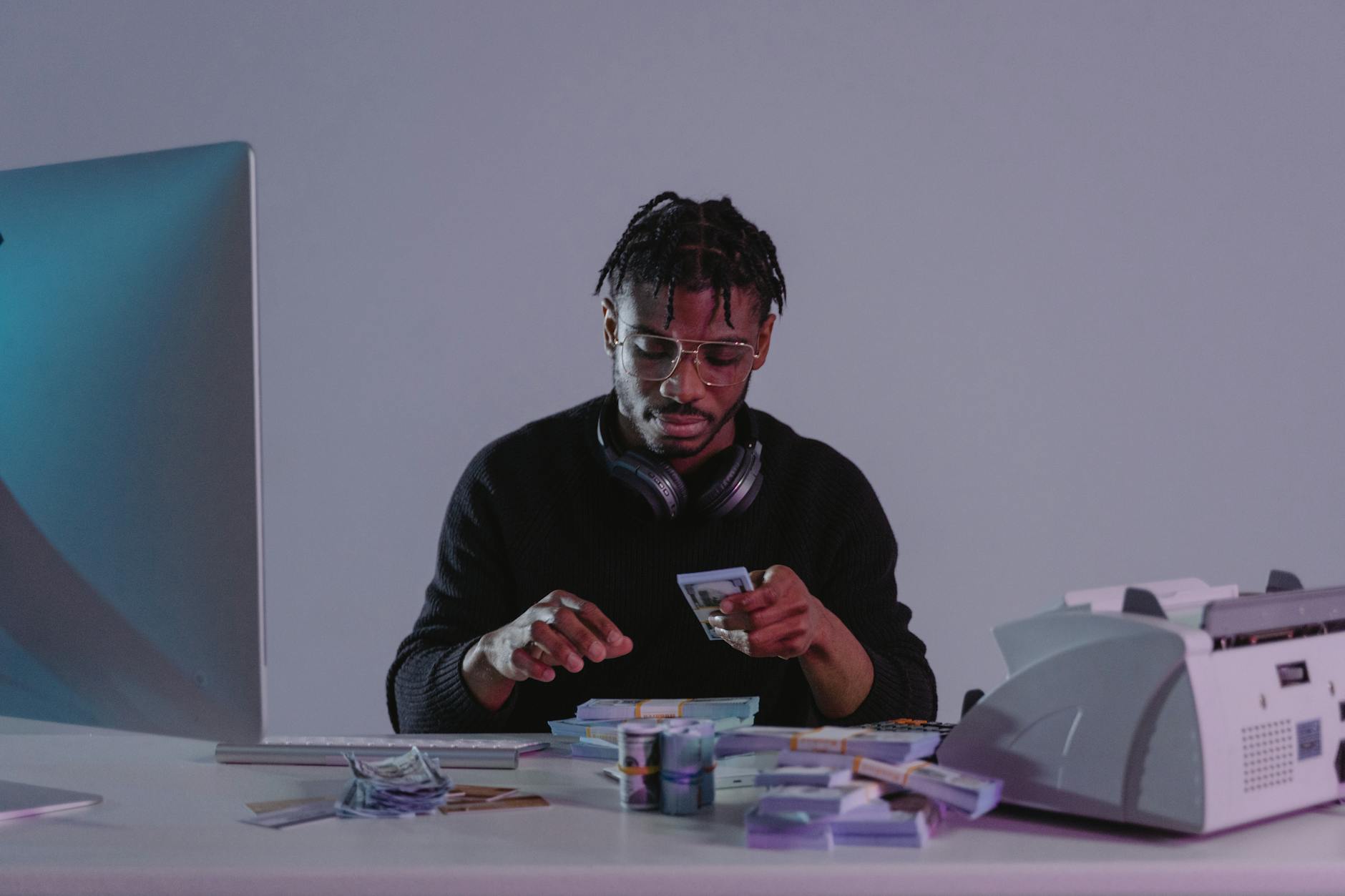
The phrase “Soft Life” entered Nigerian cultural vocabulary as a rejection of hustle culture — a declaration that comfort, leisure, and luxury were not merely aspirations but entitlements. Influencers built entire personal brands around the concept: business-class travel, spa days, designer hauls, waterfront brunches, and the studied nonchalance of someone who has never once checked a price tag.
For Soft Life influencers, the aesthetic is not incidental. It is the product. Brands selling premium experiences — hospitality groups, fintech platforms, fashion labels, and beverage companies — pay to be embedded within that world. The lifestyle becomes a distribution channel, and the influencer becomes its most trusted salesperson.
The brands paying premium rates in 2024 skewed heavily toward fintech and digital banking, luxury hospitality, international airlines serving Lagos routes, and fast-fashion platforms expanding their West African presence. Several beverage brands reportedly structured six-figure naira deals specifically around Detty December activations, recognizing that content produced during that window would carry outsized reach into the diaspora market.
—
Who Is Cashing Out
While the analytics firms behind this data did not publish individual earnings breakdowns, industry sources and disclosed partnership posts paint a clear picture of the top earner tier. Macro-influencers with followings above two million — particularly those who have built crossover audiences in the UK, US, and Canada — command the highest rates. Their value to brands extends beyond Nigerian eyeballs; it includes the diaspora spending power attached to them.
Female lifestyle creators dominate the top earning bracket, especially those whose content blends fashion, travel, and relationship commentary. Several have formalized their operations into registered media companies, with content teams, negotiating agents, and legal representation — a structural shift that signals the Nigerian creator economy is maturing well beyond the bedroom-studio phase.
The brand deals landscape has also attracted international intermediaries. Global influencer marketing platforms have opened Lagos-facing operations or signed Nigerian talent to their rosters, inserting themselves — and their commission structures — between local creators and international brand budgets.
—
The Backlash: Manufactured Debt and the Followers Left Behind
The viral thread that ignited this conversation did not celebrate these numbers. It interrogated them — and the comment sections that followed were unsparing.
A central accusation: that the Soft Life aesthetic is not aspirational documentation but active deception, with some creators financing the lifestyle through debt, brand-facilitated arrangements, or content that simply misrepresents their financial reality. Followers described taking out personal loans to fund holidays they had seen influencers “effortlessly” enjoying, only to later discover that the influencer’s trip was fully sponsored and the hotel suite a complimentary press stay.
The criticism runs deeper than individual dishonesty. Commentators argue that the entire architecture of aspirational content — particularly within an economy where inflation has significantly eroded purchasing power — functions as a psychological tax on audiences who cannot afford the lifestyle being sold to them. When a creator posts about a ₦500,000 spa weekend without disclosing that it was gifted, the post is not content. It is unlabeled advertising.
Nigerian consumer protection frameworks around influencer disclosure remain underdeveloped compared to markets such as the UK or US, where regulators have moved aggressively against undisclosed paid partnerships. That regulatory gap has allowed the economics of the Soft Life wave to operate largely in the shadows — until threads like this one drag them into the open.
—
What Comes Next for the Nigerian Creator Economy
The $180 million figure is a milestone, but it is also a pressure point. Audiences are growing more sophisticated. The same platforms that amplified the Soft Life aesthetic are now amplifying its critics. Brands that once paid a premium for aspirational association are beginning to ask harder questions about audience trust and long-term reputational risk.
The creators best positioned to endure the next phase of the Nigerian creator economy will likely be those who can hold both things at once: the aesthetic appeal that drives brand investment and the transparency that sustains audience loyalty. The Soft Life is not going anywhere — but the unquestioned credibility that came with it may already be eroding.
The $180 million was real. Whether the economy built around it is sustainable remains an open question — and the audit, it seems, has only just begun.
Send free SMS worldwide
Reach any mobile number in 200+ countries from your browser. No signup, no app.
Send a free SMS →