FERC’s Rejection of Amazon Nuclear Deal Forces Tech Giants to Rethink Data Center Power Strategies
The gold rush for behind-the-meter nuclear power has collided with the bedrock economics of the American electric grid.
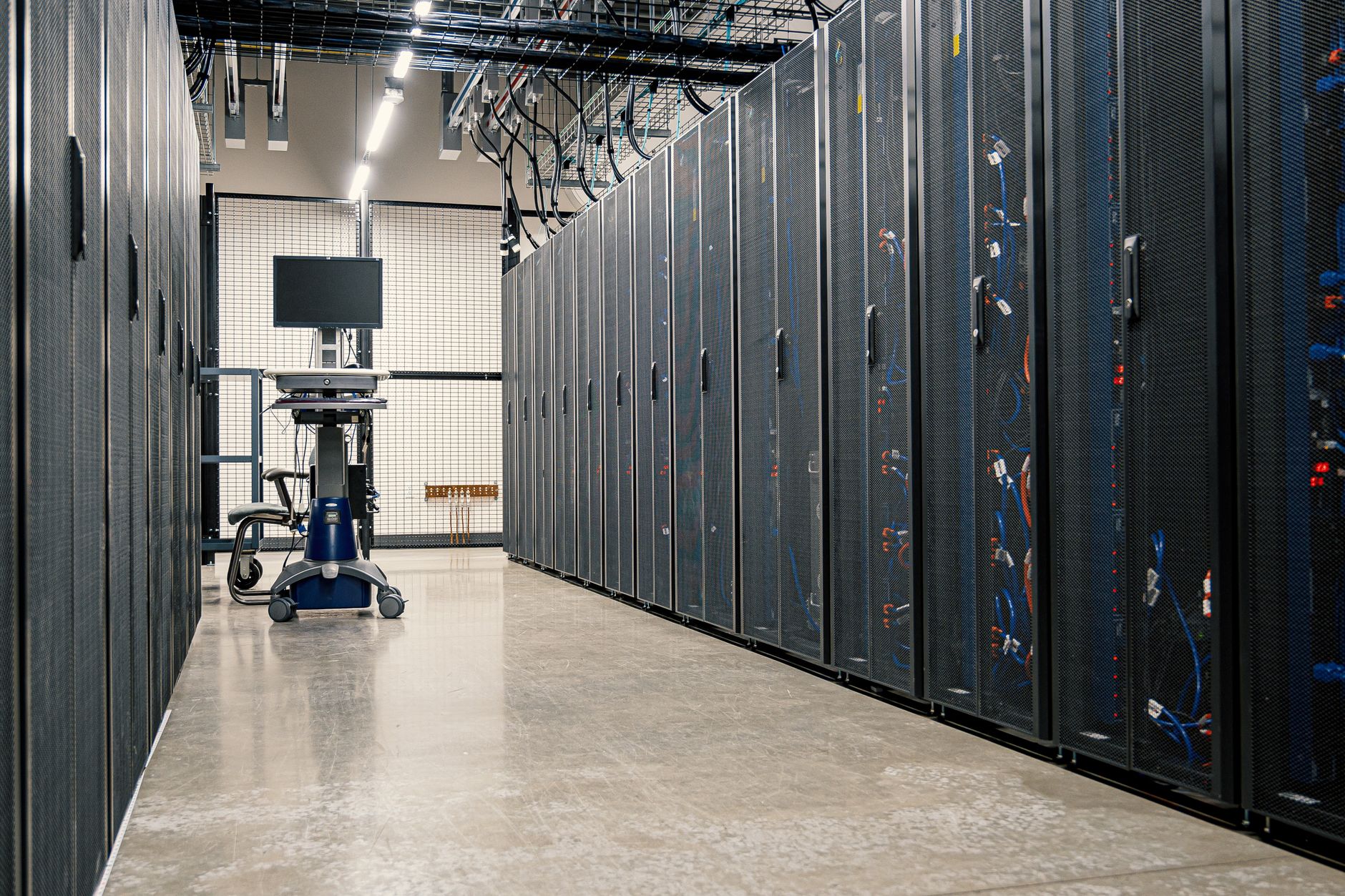
In a watershed ruling that complicates Big Tech’s clean energy roadmap, the Federal Energy Regulatory Commission (FERC) formally rejected an amended interconnection agreement that would have expanded Amazon Web Services’ direct power supply from Talen Energy’s Susquehanna nuclear plant in Pennsylvania. By blocking the expansion of the 480-megawatt co-located arrangement, FERC established a clear regulatory precedent: hyperscale cloud providers cannot divert baseload nuclear capacity from the wholesale market while sidestepping the systemic transmission costs that sustain the wider grid.
For technology executives, independent power producers, and energy infrastructure investors, the decision effectively closes a perceived shortcut to fast-track, plug-and-play nuclear co-location.
A Landmark Ruling on Ratepayer Cross-Subsidization
At the center of FERC’s rejection was an amended Interconnection Service Agreement (ISA) submitted by regional grid operator PJM Interconnection. The proposed revision sought to raise the behind-the-meter capacity dedicated to an Amazon Web Services data center campus from 300 megawatts to 480 megawatts at Talen Energy’s 2.5-gigawatt, dual-unit Susquehanna facility.
Competing regional utilities, led by American Electric Power and Exelon, mounted aggressive challenges. They argued that permitting a single, high-load corporate tenant to consume large volumes of generation directly at the plant gate—without paying standard network transmission charges—creates an inequitable cross-subsidization risk for everyday ratepayers.
A majority of FERC commissioners concurred. The commission ruled that the proposed ISA failed to demonstrate why this co-located configuration should be exempt from wholesale transmission tariffs. Commissioners highlighted that if Amazon’s data centers draw on the bulk electric system for backup capacity, spinning reserves, or frequency regulation during an unplanned nuclear outage, other industrial, commercial, and residential consumers would bear the associated costs. The ruling establishes a firm standard: private behind-the-meter arrangements cannot compromise equitable cost allocation or shift operational burdens onto regional ratepayers.
Grid Reliability Under Macro Load Growth
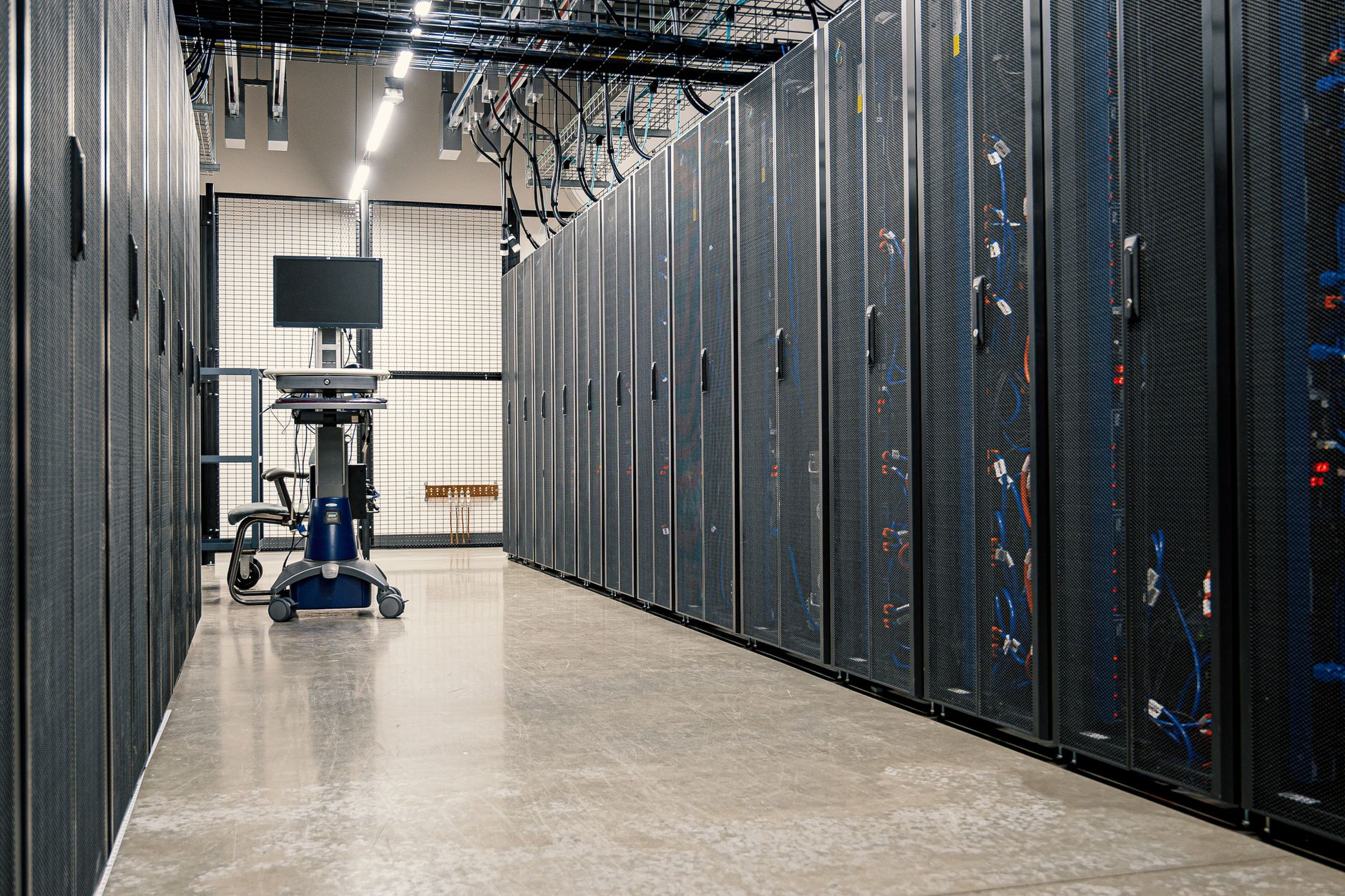
The decision arrives during a period of mounting strain across regional wholesale power markets. PJM Interconnection, which coordinates the movement of wholesale electricity across 13 states and the District of Columbia, faces accelerating electricity demand driven by artificial intelligence workloads, domestic semiconductor manufacturing, and broader electrification. At the same time, dispatchable thermal generation is retiring more quickly than replacement capacity can navigate the interconnection queue.
Diverting 480 megawatts of firm, zero-carbon capacity from the open market directly affects regional resource adequacy. When nearly half a gigawatt of baseload supply is cordoned off behind an enterprise meter, the merchant market loses critical capacity required to balance the regional grid during peak demand events.
FERC’s order underscores that corporate decarbonization goals cannot be evaluated in isolation from broader grid reliability. While hyperscalers face internal commitments to operate AI clusters on 24/7 carbon-free energy, the physical grid requires real-time inertia and reserve margins to maintain stability. Regulators signaled that large loads will not be treated as autonomous operations when their operational integrity ultimately relies on the resilience of the surrounding macro-grid.
The Shattered Behind-the-Meter Playbook
Over the past two years, co-locating at an operational merchant nuclear plant emerged as a favored strategy for hyperscale data center operators. Direct interconnection offered three primary benefits: – Bypassing the multi-year interconnection queues stalling projects across regional transmission organizations. – Securing uninterrupted, 24/7 carbon-free power essential for advanced AI model training and inferencing. – Locking in predictable, long-term power costs sheltered from merchant wholesale price volatility.
Amazon’s $650 million acquisition of the Cumulus data center campus from Talen Energy was widely viewed as a reference model for an industry-wide pivot toward on-site nuclear energy. Following that deal, rival cloud providers moved to evaluate similar direct-connect opportunities with merchant nuclear generators throughout the Mid-Atlantic and Midwest.
FERC’s decision fundamentally challenges that model. While existing operations under the original 300-megawatt framework remain unaffected, scaling behind-the-meter capacity will now require transparent frameworks demonstrating that co-located facilities pay for the transmission services, reserve power, and network upgrades they utilize. The assumption that behind-the-meter nuclear co-location could function as a frictionless, off-grid transaction has been dismantled.
Strategic Implications for Hyperscalers and Utilities
The regulatory roadblock requires a reassessment across the technology and utility sectors. With the Susquehanna expansion halted, hyperscalers face significant hurdles in replicating the model at other merchant facilities, pausing momentum for several similar transactions undergoing evaluation across the PJM footprint.
In response, corporate capital and procurement strategies are expected to shift along three tracks:
1. **Front-of-the-Meter Power Purchase Agreements:** Structuring deals where generators deliver power directly to the wholesale transmission grid rather than behind the meter. This model mirrors Microsoft’s agreement with Constellation Energy to support the repowering of the Crane Clean Energy Center (Three Mile Island Unit 1), avoiding direct-connect tariff disputes. 2. **Dedicated Co-Location Tariffs:** Negotiating novel large-load and co-location tariff structures with utilities and grid operators. These frameworks must explicitly account for standby power, transmission support, and infrastructure costs to satisfy state and federal regulators. 3. **Capacity Additionality:** Instead of securing existing baseload generation that already serves regional markets, technology companies will face increased pressure to bring net-new clean capacity online. This includes long-term investments in small modular reactors (SMRs), advanced geothermal systems, and dedicated on-site generation that expands aggregate regional supply.
A Reality Check for the AI Energy Transition
FERC’s decision is not a rejection of nuclear-powered computing, but an enforcement of the longstanding regulatory compact governing the U.S. power sector. Regulators have affirmed that the commercial urgency of the technology industry cannot override core principles of cost causation, market equity, and grid reliability.
As power demand for artificial intelligence accelerates, the path toward powering the digital economy will require direct coordination with the existing grid rather than regulatory end-runs. To sustain their computing ambitions, cloud providers must invest alongside utilities in the transmission infrastructure, grid stability services, and net-new clean capacity required to support them.
Send free SMS worldwide
Reach any mobile number in 200+ countries from your browser. No signup, no app.
Send a free SMS →