Gen Z Is Quietly Abandoning LinkedIn for ‘Anti-Résumé’ Platforms — and Recruiters Are Scrambling to Follow
The professional networking playbook that defined careers for two decades may be quietly expiring — and the generation replacing it isn’t sending a memo.
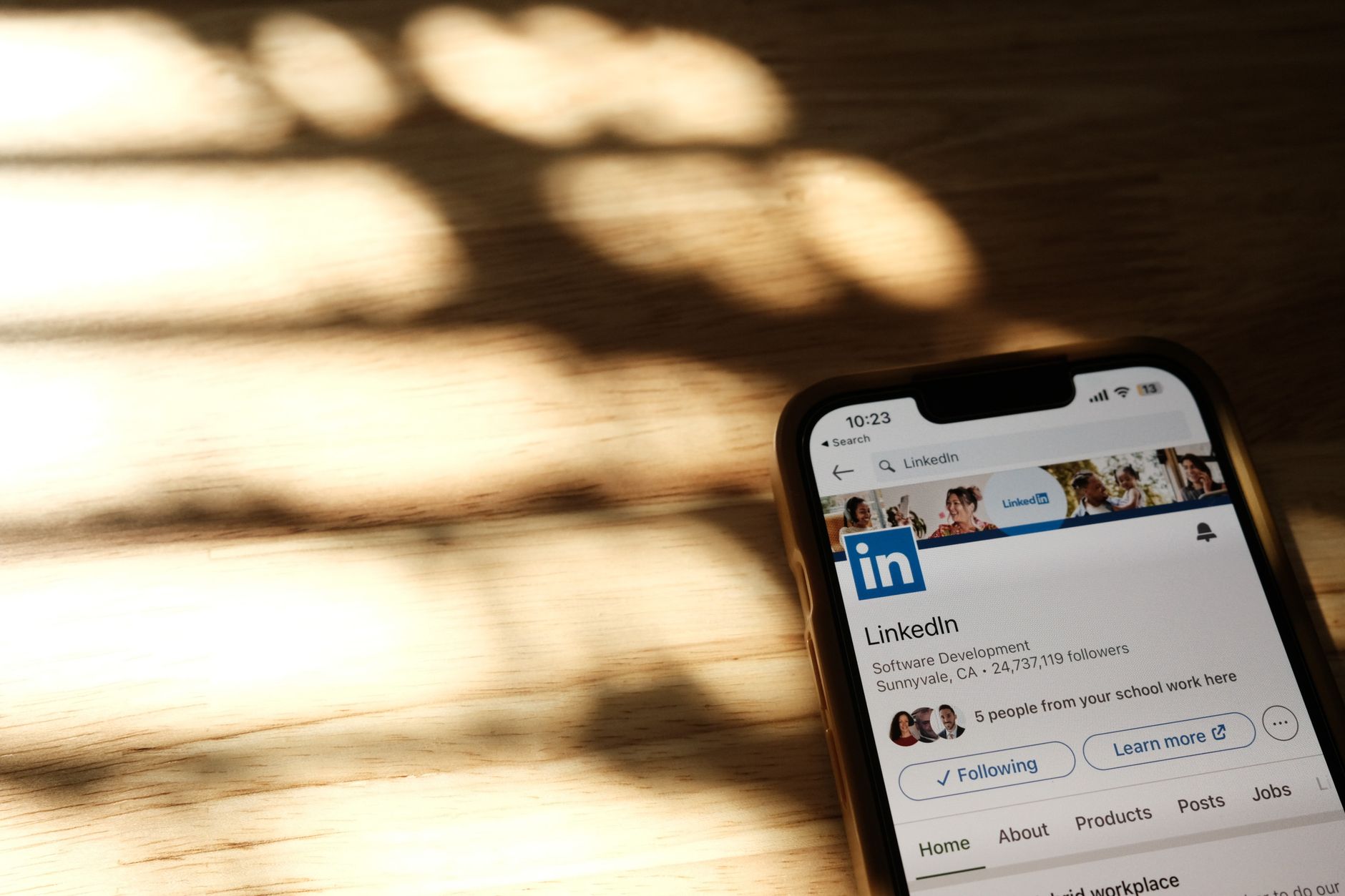
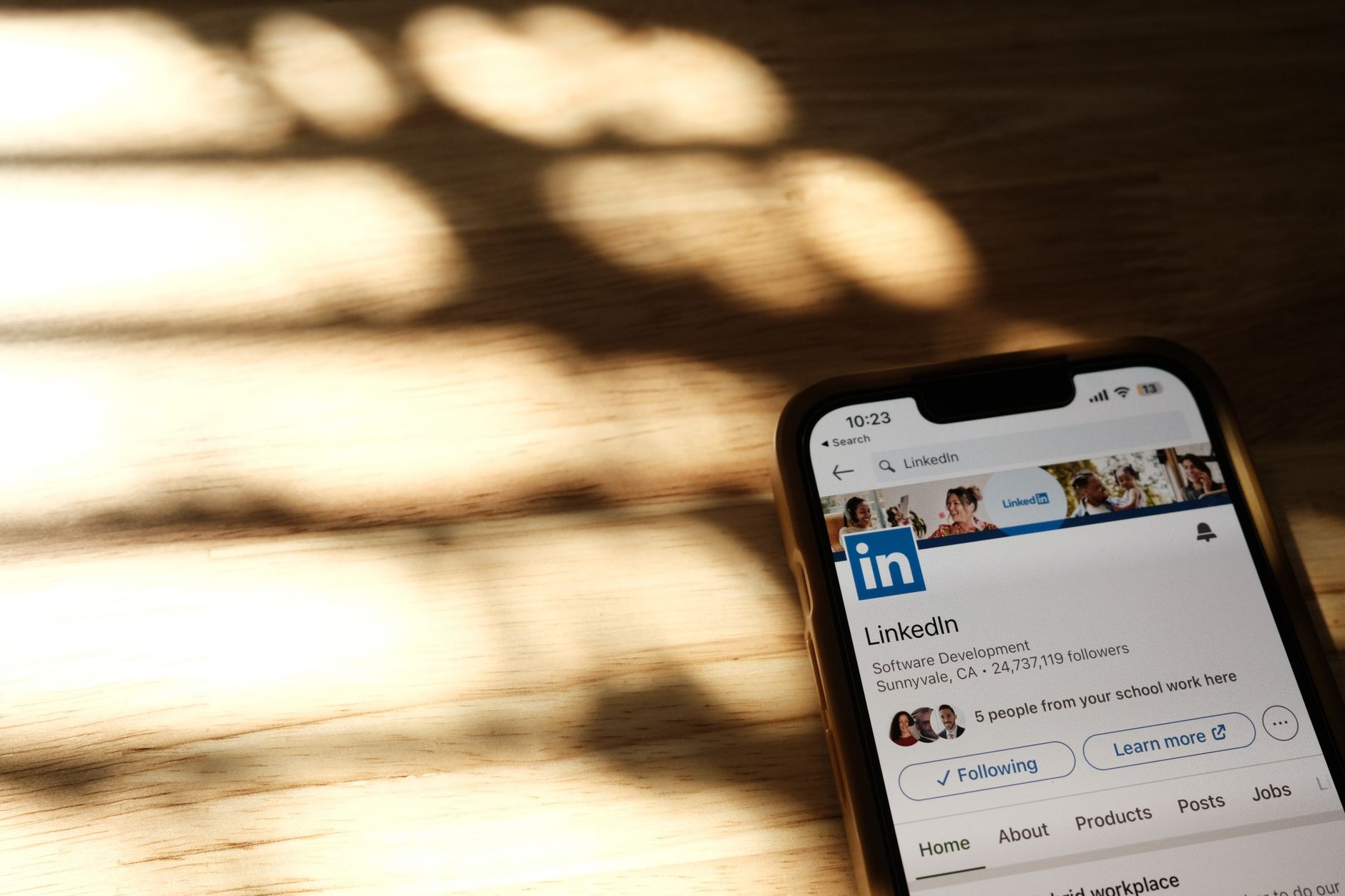
A pattern has emerged across hiring analytics circles that is difficult to ignore: LinkedIn engagement among the youngest job seekers is declining sharply, while a constellation of portfolio-first, personality-forward platforms absorbs their professional energy. For talent acquisition teams whose entire sourcing infrastructure runs through a single blue-and-white interface, the shift raises an urgent question — what happens when the next workforce generation simply isn’t there?
—
The Numbers Behind the Exodus
Data from three hiring analytics firms points to a 34% drop in LinkedIn profile creation among 18–24 year-olds since Q1 2024. That figure alone would be notable. What makes it significant is the directional contrast: during the same period, sign-ups on portfolio-first platforms have climbed, and career-adjacent content on short-form video has expanded its footprint among the same demographic.
This is not a story about Gen Z opting out of professional visibility. It is a story about where they are choosing to be visible — and why the traditional résumé format feels misaligned with how they understand work, identity, and value.
—
What ‘Anti-Résumé’ Actually Means
The term *anti-résumé platform* doesn’t mean anti-work. It describes tools built around showing rather than listing — platforms where a candidate’s output, aesthetic sensibility, and creative range speak before a job title ever does.
**Read.cv** has become something of a cultural touchstone in this space. Originally designed as a cleaner, more human alternative to the traditional CV, it has attracted designers, writers, developers, and independent creators who want their work history to feel like a curated body of work rather than a compliance document. The platform’s minimalist design and community-driven ethos resonate with Gen Z’s preference for authenticity over optimization.
**Contra** takes a different approach, positioning itself as a platform for independent professionals — freelancers, contractors, and portfolio workers — to showcase projects and connect with clients without the friction of traditional job boards. For a generation that entered the workforce during a period of mass remote work and gig economy normalization, Contra’s model maps cleanly onto how many of them already think about their careers.
Even **TikTok’s résumé features**, which allow users to submit short video applications directly to employers, have seen meaningful adoption among Gen Z candidates who find written applications an awkward translation of skills that are better demonstrated than described.
—
Why LinkedIn Feels Like a Mismatch
To understand the Gen Z drift away from LinkedIn, it helps to understand what the platform was optimized for — and for whom. LinkedIn was built around a corporate career ladder model: titles, tenures, endorsements, and recommendations that signal institutional credibility. For workers who spent decades climbing hierarchies inside large organizations, that architecture made sense.
Gen Z entered a different labor market. Many of their most marketable skills — content creation, UX design, community building, coding side projects — don’t fit neatly into a job title field. Their career paths are frequently non-linear, portfolio-based, or freelance-adjacent. And perhaps most critically, they came of age on platforms where authenticity and creative expression were the currency of credibility, not corporate affiliation.
LinkedIn’s culture of performative professionalism — the inspirational posts, the humble-brag announcements, the engagement-bait thought leadership — has become a recurring subject of Gen Z mockery online. That cultural friction is not trivial. Platform adoption among young users is deeply tied to whether a space feels like *them*.
—
Recruiters Are Caught in a Structural Lag
For talent acquisition teams, the implications are significant and immediate. Most enterprise recruiting pipelines were built with LinkedIn as the primary — sometimes exclusive — sourcing channel. Applicant tracking systems, Boolean search workflows, InMail outreach sequences, and employer branding strategies are all calibrated to a platform that a growing segment of the target talent pool is quietly deprioritizing.
The scramble is real. Recruiting teams are beginning to explore Read.cv as a sourcing channel for creative and technical roles. Some talent acquisition leaders are experimenting with Contra for contract and project-based hiring. A smaller but growing number are developing frameworks for evaluating TikTok portfolios and video applications without introducing bias into the screening process.
Career coaches working with Gen Z clients report a parallel pattern from the candidate side — more clients questioning whether they need a LinkedIn profile at all, and more interest in building a digital presence that reflects actual work rather than a formatted career narrative.
—
What This Means for the Future of Professional Networking
The fragmentation of professional identity across multiple platforms is not a temporary trend. It reflects a deeper structural shift in how work is organized, how careers are built, and how talent wants to be seen.
For platform strategists, the window to capture Gen Z professional loyalty is open — but not indefinitely. The platforms winning right now are doing so on design, culture, and alignment with how this generation actually works. LinkedIn is not standing still; its continued investment in creator tools and video features signals awareness of the competitive pressure. But awareness and adoption are different things.
For recruiters, the practical imperative is diversification. Sourcing strategies anchored to a single platform are exposure risks, not efficiencies. Building fluency across emerging professional platforms is no longer a forward-looking experiment — it is a present-tense operational need.
—
The Résumé Isn’t Dead — But Its Monopoly Is
Gen Z is not abandoning professionalism. They are redefining what professional visibility looks like — and building it on platforms that reflect their actual output rather than a formatted summary of it. The anti-résumé movement is less a rejection of career ambition than a rejection of the specific container that ambition has been forced into.
For every recruiter still waiting for the right candidate to surface in a LinkedIn search, there is a talented 22-year-old whose best work lives somewhere else entirely. The hiring professionals who figure out where that somewhere else is — and build the infrastructure to find talent there — will hold a meaningful advantage in the decade ahead. The ones who don’t will keep wondering why the pipeline feels thin.
Send free SMS worldwide
Reach any mobile number in 200+ countries from your browser. No signup, no app.
Send a free SMS →