UPS Quietly Pilots AI-Powered Sorting Robots at Three Hubs as Teamsters Contract Bars Outright Automation
The ink on the Teamsters’ landmark 2023 contract with UPS was barely dry when the company began exploring a question that now sits at the center of a brewing labor dispute: What exactly counts as automation?
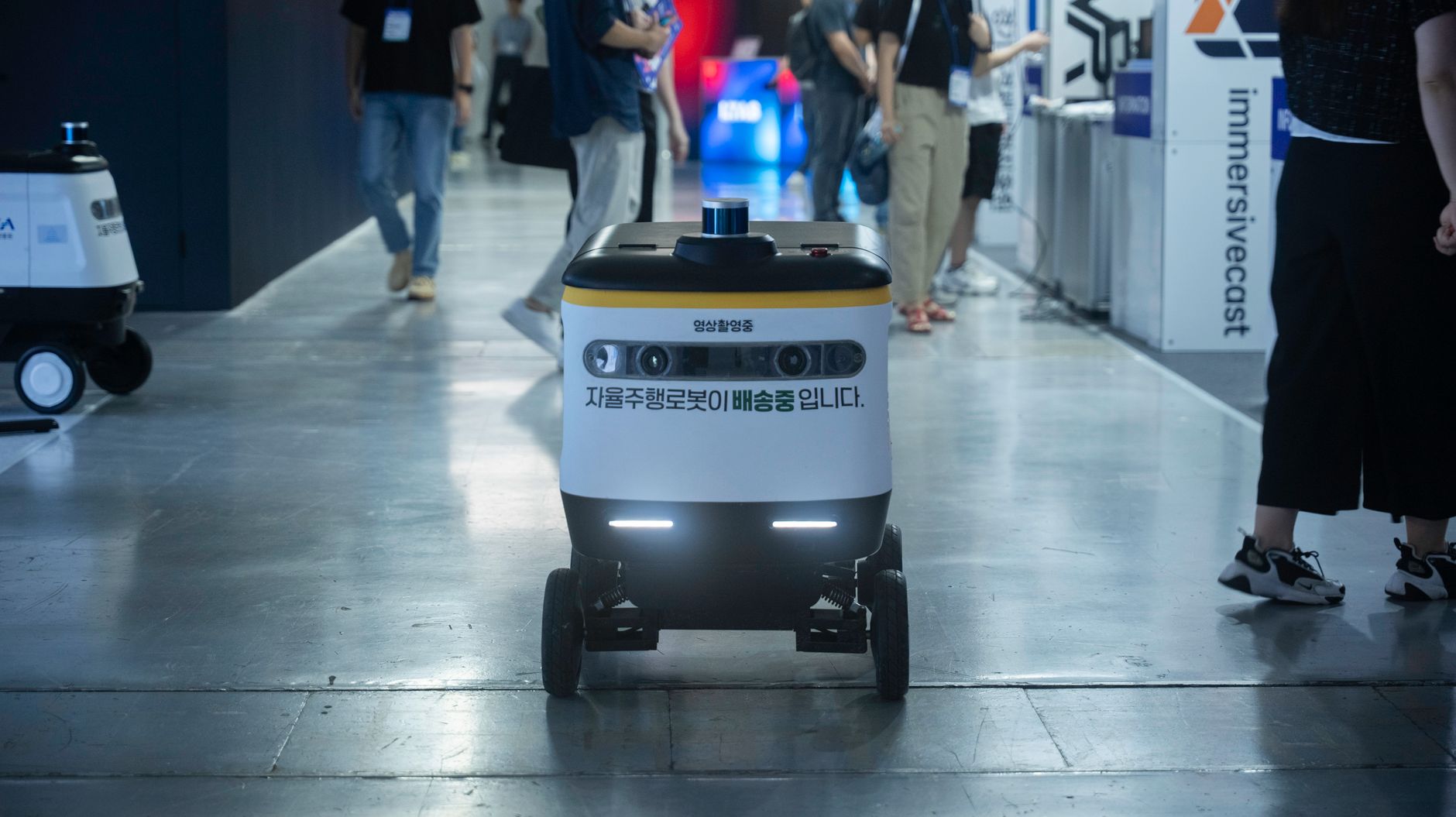
Eighteen months after Teamsters members ratified what union leadership called the strongest contract in the organization’s history, internal UPS documents reviewed by labor reporters indicate the company is testing autonomous sorting robots at three major distribution hubs — Louisville, Atlanta, and Ontario, California. The pilots are reportedly classified under an operational category that UPS argues falls outside the contract’s automation restrictions. The Teamsters see it differently.
The Classification at the Center of the Conflict
The Teamsters contract, ratified in the summer of 2023 following a threatened strike that drew national attention, includes language prohibiting UPS from deploying fully automated systems that displace union members in core sorting and loading functions without first triggering a joint labor-management review process — at least, that is the union’s reading of the agreement.
UPS, according to sources familiar with the company’s internal position, has classified the sorting robots currently under pilot as “assisted handling technology” rather than autonomous automation. That distinction, if it holds, would allow the company to test and potentially expand the systems without activating the contractual review mechanism the Teamsters negotiated as a safeguard.
Whether that classification is legitimate or a deliberate workaround is now the central question in what labor organizers are describing as a reopened dispute — one that neither side appears eager to escalate publicly, but that is generating significant tension on the floors of affected facilities.
What the Robots Are Doing — and Where
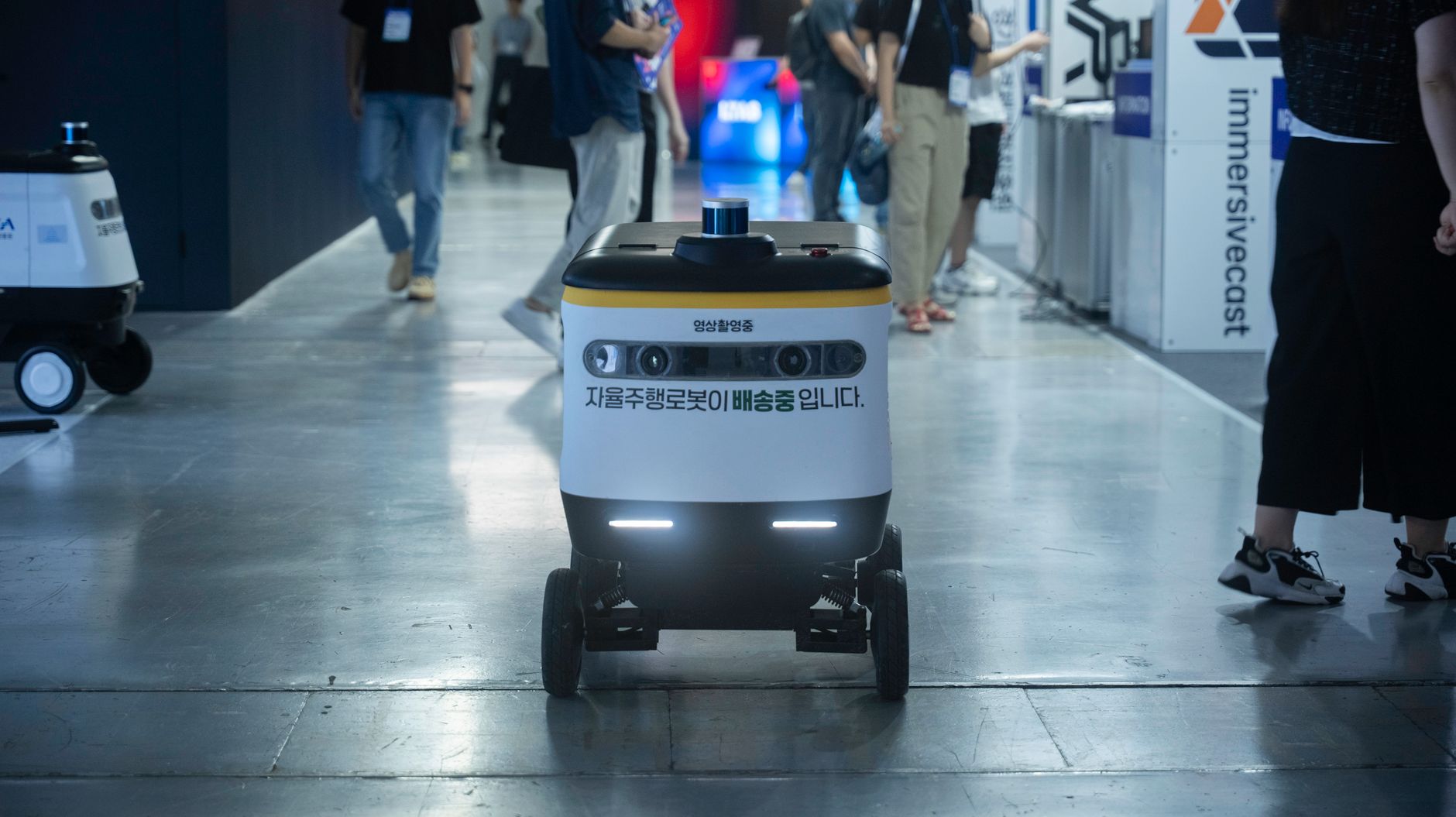
The three hubs named in the documents represent significant nodes in UPS’s domestic network. Louisville’s Worldport facility is one of the largest automated package-sorting operations in the world and serves as the company’s primary air hub. Atlanta and Ontario are major ground distribution centers handling high volumes of regional package flow.
According to the documents and sources within the union’s logistics division, the sorting robots being piloted are capable of identifying, lifting, and routing packages along conveyor systems with limited human input. Workers at the affected facilities have reported — and union representatives have documented in grievance filings reviewed for this article — that the machines operate for extended periods without a union employee actively supervising the immediate sorting function.
The systems are understood to use computer vision and machine learning to classify packages by size, weight, destination zone, and handling requirements. That capability is precisely what makes the “assisted handling” classification so contested: critics argue that a system making real-time routing decisions autonomously is, by any reasonable definition, performing automated sorting.
Why This Moment Matters for Organized Labor
The timing amplifies the stakes. The 2023 Teamsters contract was held up nationally as proof that organized labor could win meaningful protections against automation at a time when logistics companies face intense pressure to cut labor costs and accelerate throughput. A finding that UPS exploited a contractual loophole just 18 months later would carry symbolic weight far beyond the three hubs currently involved.
Labor rights organizers tracking automation threats in unionized workplaces have pointed to this situation as a test case — a test of whether contract language negotiated before the current generation of warehouse AI systems were commercially viable can actually constrain their deployment. The concern is not hypothetical. Similar classification disputes have emerged at other unionized distribution operations as robotics vendors increasingly market systems designed to augment rather than formally replace human workers, a framing that can obscure the functional displacement occurring on the ground.
For Teamsters members at Louisville, Atlanta, and Ontario, the immediate concern is more concrete. If the pilot expands and the classification holds, the sorting robots could reduce the number of union positions needed on overnight and pre-load shifts — the shifts where the machines are reportedly being tested — without the company ever triggering the joint review process the contract was supposed to guarantee.
The Grievance Process and What Comes Next
Union representatives at the affected hubs have filed grievances challenging the “assisted handling” classification, according to sources with direct knowledge of the filings. Those grievances are working through the contractual dispute resolution process, which can take months to resolve and does not automatically pause the pilot programs while a challenge proceeds.
The Teamsters’ national leadership has not yet issued a public statement specifically addressing the three-hub pilot. Some local representatives have interpreted that silence as strategic caution; others have called it insufficient urgency. UPS has not responded to requests for comment on the specifics of the pilot programs or the classification framework being applied.
What is clear is that the outcome will be closely watched — by logistics industry analysts assessing how aggressively UPS can move on automation without triggering a broader labor confrontation, and by workers across the unionized warehouse sector asking whether the protections their contracts promise can survive contact with the pace of technological change.
The Larger Question No Contract Has Answered
The conflict at Louisville, Atlanta, and Ontario is, at its core, a dispute about language — about whether words negotiated in 2023 can govern technology that continues to evolve faster than any bargaining cycle. The Teamsters contract was a genuine achievement. But the sorting robots now operating on those hub floors represent exactly the kind of incremental, classification-dependent deployment that labor lawyers have long warned is the most difficult form of automation to contest.
If UPS’s “assisted handling” framing survives the grievance process, it will not just affect members at three hubs. It will establish a template. And every logistics company with a robotics vendor on speed dial will be paying close attention.
Send free SMS worldwide
Reach any mobile number in 200+ countries from your browser. No signup, no app.
Send a free SMS →