The ‘Soft Life’ Trend Is Going Viral — And Gen Z Is Using It to Reject Hustle Culture on TikTok
While millennials were told to rise and grind, Gen Z is choosing to rest and receive. The Soft Life trend — a viral movement celebrating ease, pleasure, and intentional downtime — has accumulated over 4.2 billion views on TikTok, and it’s doing far more than filling feeds with aesthetic content. It’s reshaping how an entire generation approaches work, negotiates compensation, and decides which brands deserve their loyalty.
What Is the Soft Life Trend?
The Soft Life aesthetic is built around prioritizing rest, emotional wellness, and small luxuries over relentless productivity. Think slow mornings anchored by an unhurried skincare routine, a firm no to after-hours emails, fresh flowers on the kitchen table, or a mental health day taken without guilt or explanation.
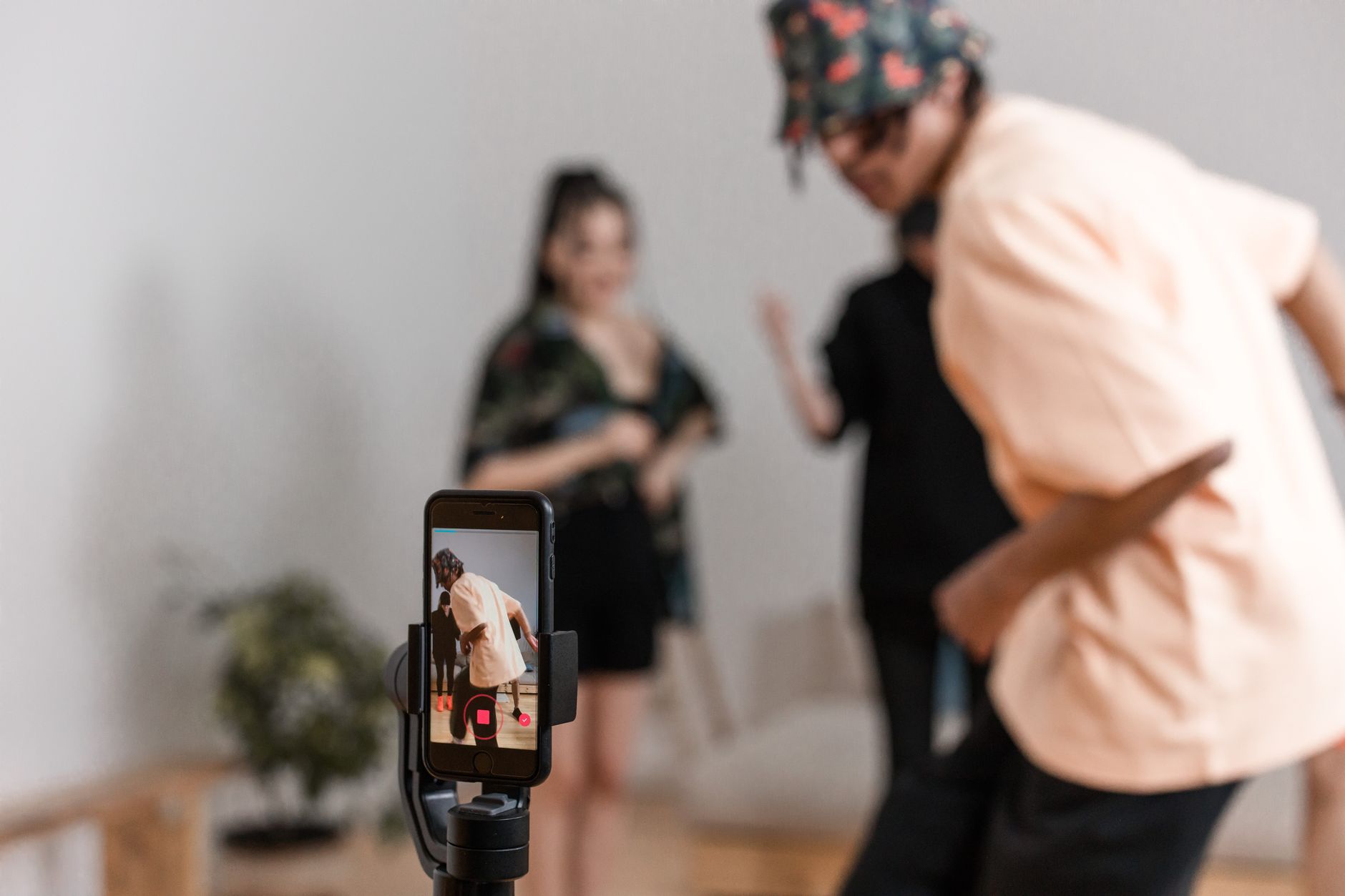
On TikTok, the hashtag #SoftLife showcases creators sharing moments of intentional ease: a carefully plated breakfast eaten without scrolling, a midday nap in linen sheets, a boundary-setting text sent to a demanding manager. The content is rarely about wealth. It’s about reclaiming time and energy from hustle culture’s grip.
Unlike earlier wellness trends that leaned on expensive retreats or premium products, the Soft Life movement emphasizes accessibility. It’s less about what you buy and more about what you refuse to sacrifice.
The Cultural Backlash Against Hustle Culture
Gen Z entered adulthood during a pandemic that exposed the fragility of the “work until you drop” mentality. They watched burnout rates climb, witnessed mass layoffs at companies that had demanded total loyalty, and saw older generations contend with health issues tied to chronic, unrelenting stress.
The Soft Life trend emerged as a direct counter-narrative to hustle culture — the glorification of 60-hour work weeks, mandatory side hustles, and the idea that rest is indistinguishable from laziness. Where previous generations wore exhaustion as a badge of honor, Gen Z is treating it as a warning sign.
This shift is not about laziness or entitlement. It’s a values recalibration. Viral Soft Life content frequently features creators explaining why they left high-paying jobs, declined promotions that would have gutted their work-life balance, or chose freelance flexibility over corporate stability — and why they have no regrets.
How the Soft Life Is Changing Workplace Expectations
The movement’s influence extends well beyond social media. It’s showing up in salary negotiations, job interviews, and workplace culture conversations across industries.
Gen Z candidates are entering the workforce with different priorities than their predecessors. In interviews, they’re asking pointed questions about remote work policies, mental health benefits, and expectations around after-hours availability. They’re evaluating job offers not on salary alone, but on whether a role will allow them to maintain the boundaries that a Soft Life requires.
Career coaches and HR professionals have noted a growing willingness among younger workers to choose flexibility, reasonable hours, and psychological safety over higher-paying alternatives. The calculation has shifted: if a job threatens your ability to rest, disconnect, or protect your emotional wellbeing, the paycheck may simply not be worth it.
In tight labor markets, Gen Z’s readiness to walk away from roles that demand unsustainable output is pressuring some employers to rethink expectations, benefits packages, and the cultures they’ve allowed to take hold.
Brand Implications and the Authenticity Test
For marketers, the Soft Life trend presents both opportunity and real risk. Gen Z consumers are paying close attention to which brands genuinely support wellness and which are simply co-opting the aesthetic for commercial gain.
Brands that have connected authentically with this movement tend to emphasize quality of life, self-care without shame, and products that facilitate ease rather than optimization. Marketing that celebrates rest, boundaries, and pleasure — without tying them to productivity metrics — tends to land.
Brands perceived as glorifying overwork or normalizing burnout, by contrast, face growing skepticism from this demographic. Gen Z has demonstrated a consistent willingness to align spending with values, and companies whose messaging or internal practices contradict Soft Life principles risk losing cultural relevance with an audience that is only growing in purchasing power.
The critical differentiator is authenticity. Gen Z can identify performative wellness quickly. Brands that promote self-care in their advertising while sustaining toxic workplace cultures or unrealistic productivity standards face potential backlash in an era when employee reviews and corporate behavior are more visible than ever.
The Democratization of Rest
One of the most compelling dimensions of the Soft Life trend is its insistence on accessible luxury. This is not about designer goods or aspirational travel. It’s about reframing rest and small pleasures as things everyone is entitled to — not rewards to be earned through suffering.
A five-dollar bouquet from the grocery store, an uninterrupted afternoon with a book, a meal cooked without rushing — these become quietly radical acts in a culture that has commodified nearly every waking hour. The Soft Life aesthetic reclaims these moments as valuable, worthy, and necessary.
In doing so, it challenges both consumer culture and productivity culture at once. It proposes that a good life isn’t something you earn through exhaustion or purchase through excess — it’s something you construct through deliberate choices about where your time and energy actually go.
What This Means for the Future of Work
The Soft Life trend signals a broader generational reckoning with work’s place in a meaningful life. As Gen Z gains purchasing power and workplace influence, their values are poised to shape everything from benefits design to performance metrics to what a healthy company culture is expected to look like.
For HR professionals, that means rethinking what genuinely attracts and retains talent. Ping-pong tables and catered lunches won’t compensate for a culture that still quietly glorifies overwork. Authentic flexibility, substantive mental health support, and real respect for boundaries are becoming baseline expectations, not differentiators.
For brands, it means accepting that Gen Z’s relationship with consumption is filtered through a wellness lens. Products and services that facilitate ease, rest, and emotional wellbeing carry a competitive advantage — but only if the companies behind them can demonstrate they actually mean it.
The Soft Life trend is not a passing aesthetic phase. It is a value system gaining momentum, and it is quietly rewriting the terms of what a successful life is supposed to look like. In a culture that has long measured human worth in units of productivity, choosing softness is a small, steady revolution — and it’s unfolding 4.2 billion views at a time.
Send free SMS worldwide
Reach any mobile number in 200+ countries from your browser. No signup, no app.
Send a free SMS →