TikTok Reaches 1.2 Billion Monthly Active Users as US Market Share Hits 38%
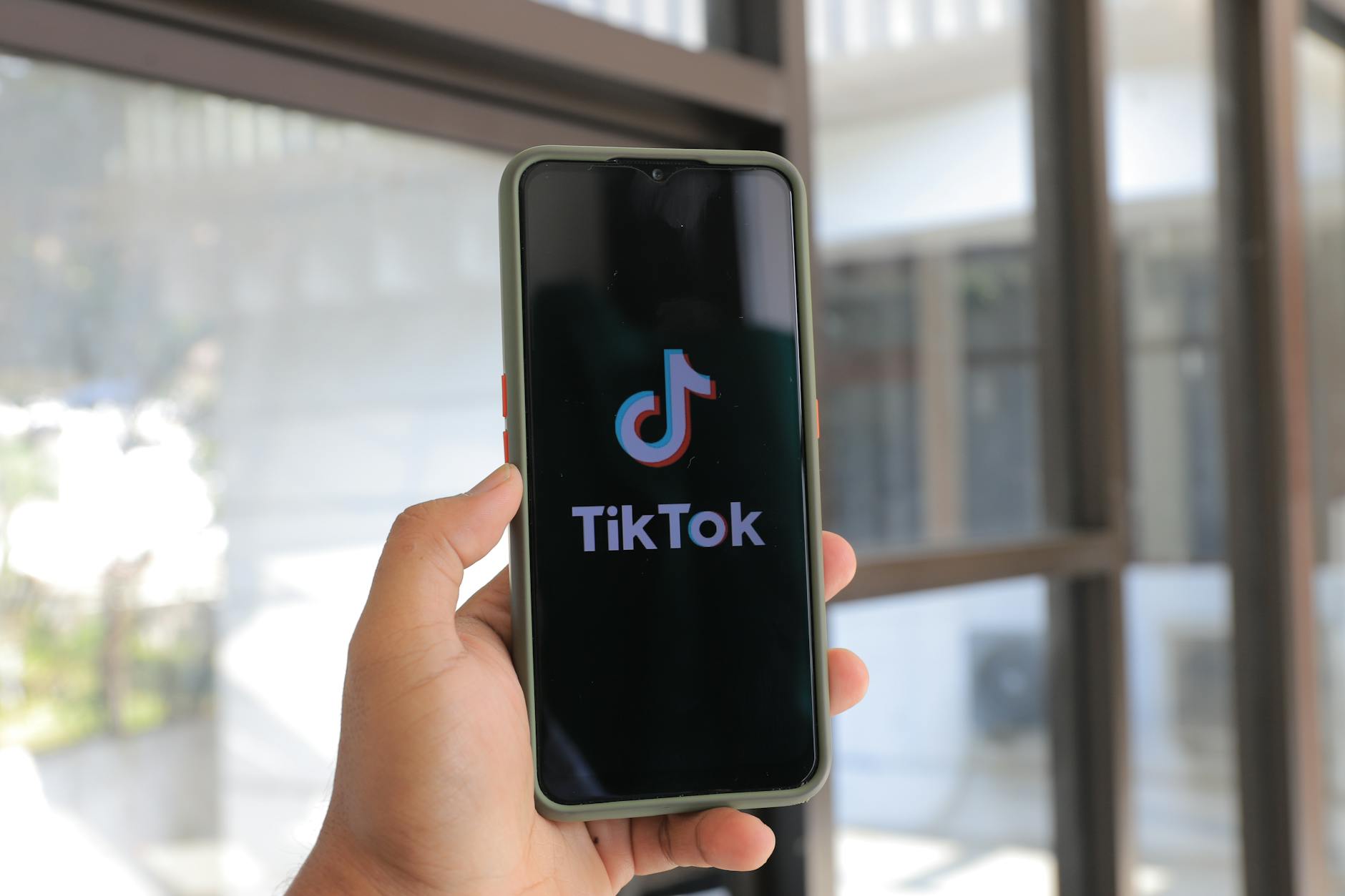
While politicians debate its future, TikTok continues to defy expectations with explosive growth that shows no signs of slowing. The short-form video platform has reached 1.2 billion monthly active users globally, cementing its position as one of the world’s most influential social media platforms—and it’s doing so despite facing unprecedented regulatory pressure in its most lucrative market.
Unprecedented Growth Trajectory Continues
TikTok’s ascent to 1.2 billion monthly active users represents a remarkable achievement in the crowded social media landscape. The platform has effectively doubled its user base in just over two years, demonstrating a growth velocity that outpaces even the early expansion periods of Facebook and Instagram. This growth comes at a time when many established platforms report stagnating or declining user numbers, particularly among younger demographics.
The platform’s success extends beyond raw user counts. Engagement metrics tell an equally compelling story, with users spending an average of 95 minutes per day on the app—significantly higher than competing platforms. This level of engagement translates directly into advertising value, making TikTok an increasingly essential channel for brands seeking to reach younger audiences.
US Market Share Reaches Critical Mass
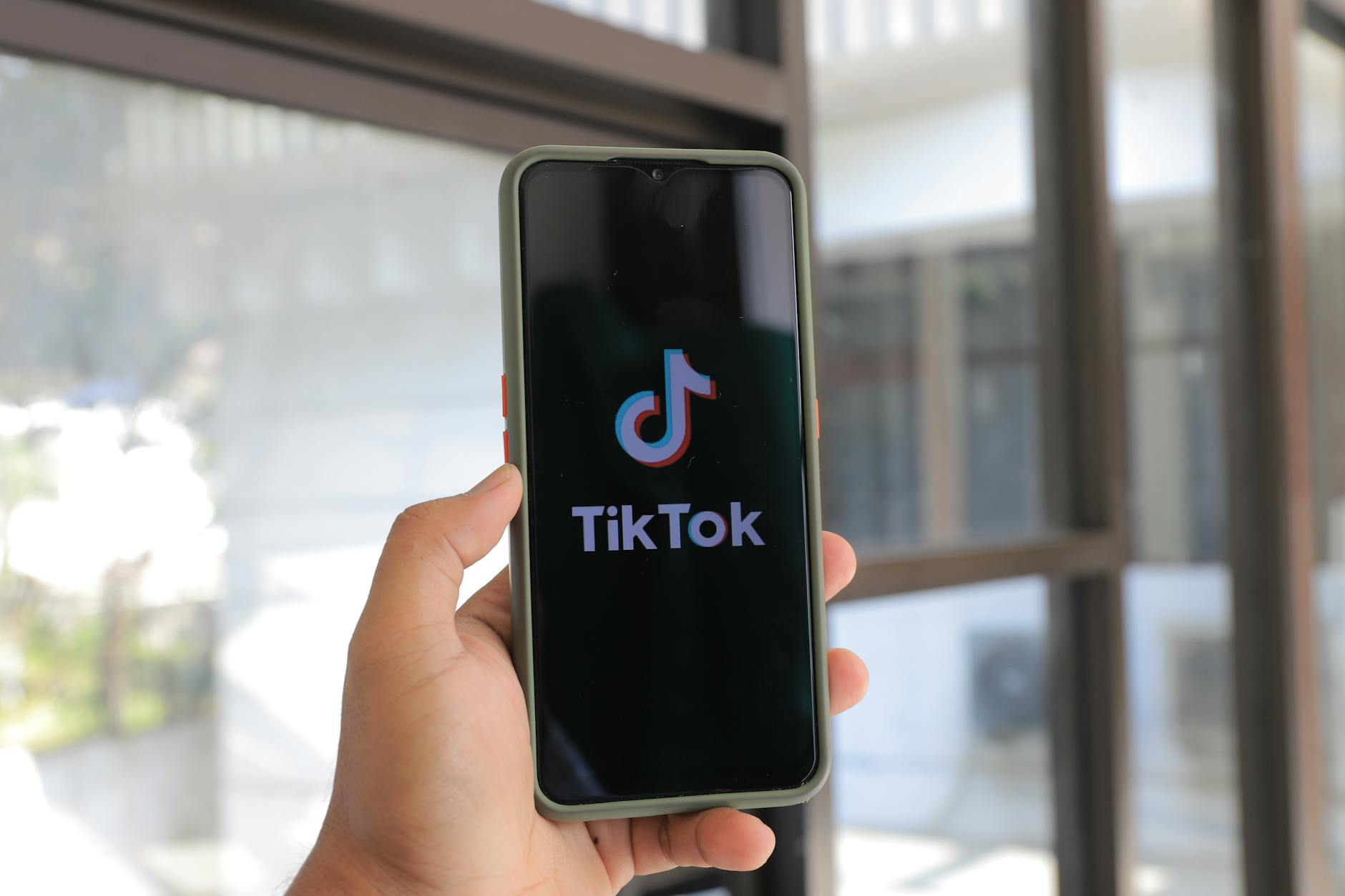
Perhaps most striking is TikTok’s penetration in the United States, where the platform now commands a 38% market share among social media users. This figure places TikTok in direct competition with legacy platforms that have dominated the American digital landscape for over a decade. The market share gains are particularly pronounced among users aged 18-34, where TikTok has become the primary social media platform for content discovery and consumption.
This US market dominance carries significant implications for advertisers and marketers. With more than one-third of American social media users actively engaging with TikTok, brands can no longer treat the platform as an experimental channel. It has become a core component of comprehensive digital marketing strategies, particularly for companies targeting Gen Z and younger Millennial consumers.
Resilience Amid Regulatory Headwinds
TikTok’s growth trajectory becomes even more impressive when viewed against the backdrop of ongoing regulatory scrutiny. The platform has faced potential bans, forced divestiture proposals, and restrictions on government devices across multiple countries. In the United States alone, TikTok has navigated congressional hearings, state-level restrictions, and persistent calls for national security reviews.
Yet these challenges haven’t translated into user attrition. The platform’s monthly active users have continued climbing even as headlines warned of imminent shutdowns. This resilience suggests that TikTok has achieved a level of cultural entrenchment that makes it difficult to dislodge through regulatory action alone. Content creators have built careers on the platform, small businesses have found new customer acquisition channels, and users have formed communities that don’t exist elsewhere in the social media ecosystem.
Implications for Platform Competition
TikTok’s continued expansion is reshaping the competitive dynamics of social media. Meta’s aggressive pivot toward short-form video through Instagram Reels and Facebook’s video features represents a direct response to TikTok’s market share gains. YouTube Shorts has similarly emerged as Google’s answer to the TikTok phenomenon, while Snapchat has doubled down on its Spotlight feature.
This competitive pressure has effectively transformed the entire social media landscape. Platforms that once prioritized different content formats have been forced to adopt TikTok’s short-form, algorithm-driven video model. The result is a more homogeneous social media environment where vertical video and AI-powered content recommendations have become industry standard.
For digital advertisers, this shift creates both opportunities and challenges. TikTok’s advertising platform has matured rapidly, offering sophisticated targeting capabilities and creative formats that drive strong performance metrics. However, the platform’s unique content culture requires advertisers to adapt their creative approaches, moving away from polished brand content toward more authentic, trend-driven material.
What This Means for Marketers and Investors
Social media marketers can no longer afford to ignore TikTok’s reach and engagement levels. The platform’s 1.2 billion monthly active users represent a massive addressable audience, while its 38% US market share indicates deep penetration in one of the world’s most valuable advertising markets. Brands that haven’t yet developed TikTok strategies risk ceding significant ground to more agile competitors.
For investors and platform watchers, TikTok’s growth metrics validate the company’s business model despite ongoing uncertainty about its regulatory future. The platform has demonstrated an ability to monetize attention effectively while continuing to expand its user base—a combination that has proven elusive for many social media challengers.
Looking Ahead
TikTok’s achievement of 1.2 billion monthly active users and 38% US market share represents more than statistical milestones. These figures reflect a fundamental shift in how people consume and create content online. The platform has successfully challenged incumbent social networks, forced industry-wide product changes, and created new opportunities for creators and businesses alike.
As regulatory debates continue, TikTok’s user growth and market penetration provide the platform with its strongest defense: cultural relevance and user loyalty that transcends political considerations. For marketers, advertisers, and platform observers, the message is clear—TikTok has moved beyond emerging platform status to become an essential pillar of the digital media landscape, one that will shape social media strategies for years to come.
Send free SMS worldwide
Reach any mobile number in 200+ countries from your browser. No signup, no app.
Send a free SMS →