Microsoft Commits $3.2B to Expand AI Data Center Infrastructure in Wisconsin
The race for AI compute capacity just intensified in America’s heartland. Microsoft’s announcement of a $3.2 billion investment to expand its AI data center footprint in Wisconsin marks one of the largest single infrastructure commitments in the region’s history and signals a fundamental shift in how hyperscalers are positioning themselves for the next phase of enterprise AI adoption.

This isn’t just another data center expansion. It’s a strategic play in an increasingly competitive landscape where access to compute infrastructure has become the defining constraint for organizations seeking to deploy large-scale AI workloads.
The Strategic Imperative Behind the Investment
Microsoft’s decision to commit billions to Wisconsin reflects a calculated response to surging demand for enterprise AI capabilities. As organizations move beyond experimental AI projects to production deployments, the bottleneck has shifted from model availability to compute capacity. The company’s investment addresses this constraint directly, positioning Microsoft to capture enterprise workloads that require proximity, reliability, and scale.
The Wisconsin expansion represents more than infrastructure buildout—it’s a competitive advantage. By establishing substantial compute infrastructure in the Midwest, Microsoft gains strategic positioning in latency-sensitive applications, data sovereignty requirements, and regional market penetration. For enterprise technology leaders evaluating cloud providers, geographic distribution of AI-capable infrastructure increasingly factors into vendor selection criteria.
Regional Competition Heats Up for Compute Capacity
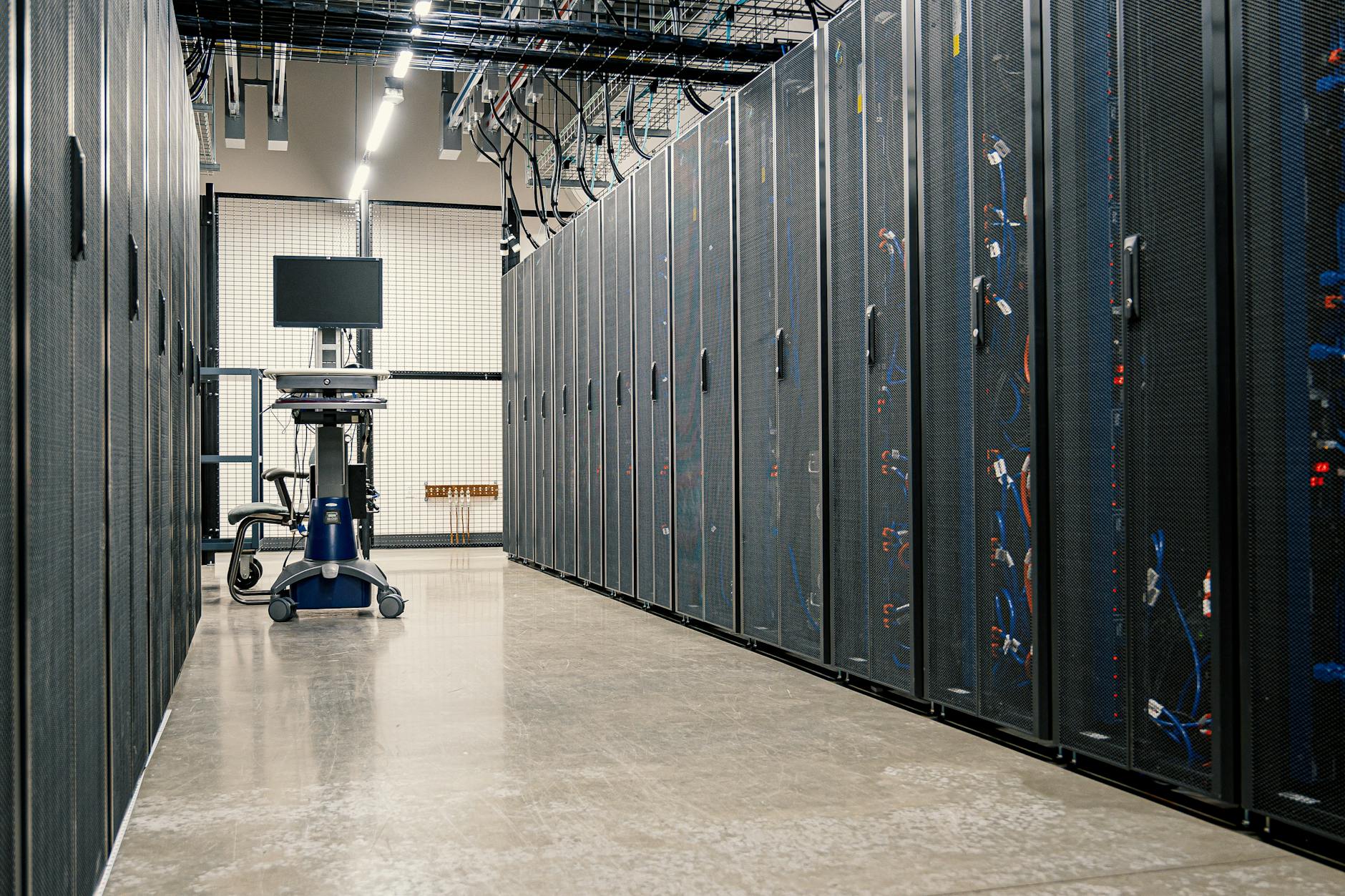
This announcement arrives amid intensifying regional competition among hyperscalers for AI data center locations. Amazon Web Services, Google Cloud, and Oracle have all announced significant infrastructure investments across secondary markets, moving beyond traditional coastal hubs. The pattern reveals a strategic recognition: the next wave of enterprise AI adoption will be geographically distributed, driven by organizations across industries and regions.
Wisconsin’s selection reflects several competitive advantages that infrastructure investors are prioritizing. The state offers reliable power infrastructure, favorable climate conditions for cooling efficiency, and proximity to major Midwest enterprise markets. These factors combine to create operational efficiencies that translate directly to cost advantages in delivering AI compute at scale.
The regional dimension carries particular significance for enterprise AI deployment. Organizations in manufacturing, healthcare, financial services, and agriculture—sectors with substantial Midwest presence—increasingly require low-latency access to AI compute infrastructure for real-time applications. Microsoft’s investment positions the company to serve these workloads more effectively than competitors relying on distant data center regions.
Implications for Enterprise AI Adoption
For enterprise technology leaders, Microsoft’s infrastructure commitment sends a clear signal about the maturation of AI from experimental technology to production-critical infrastructure. The scale of investment—$3.2 billion—reflects confidence that enterprise AI workloads will justify massive compute infrastructure expansion.
This has practical implications for IT strategy. Organizations planning multi-year AI roadmaps can now factor in expanded regional compute availability when architecting solutions. The proximity of AI data center capacity reduces latency concerns for real-time inference workloads and simplifies data governance for organizations with regional data residency requirements.
The investment also validates the economic viability of distributed AI infrastructure. Rather than concentrating compute capacity in a handful of mega-regions, hyperscalers are betting that enterprise demand will support geographically distributed AI data center networks. This distribution model aligns with how enterprises actually operate—with facilities, customers, and data spread across regions rather than concentrated in coastal tech hubs.
Infrastructure Investment Implications
From an infrastructure investment perspective, Microsoft’s commitment provides a valuable signal about capital allocation priorities in the AI era. The company is placing a substantial bet that demand for AI compute infrastructure will grow faster than general-purpose cloud computing—a thesis that carries significant implications for data center REITs, power infrastructure providers, and networking equipment manufacturers.
The investment scale also highlights the capital intensity required to compete in AI infrastructure. Building out compute infrastructure capable of supporting large-scale model training and inference requires not just data center space, but specialized cooling systems, high-density power delivery, and advanced networking fabric. The barriers to entry are rising, potentially consolidating the market around players capable of making billion-dollar commitments.
Economic Development and Workforce Implications
Beyond the technology implications, Microsoft’s investment represents a significant economic development win for Wisconsin. The project will create construction jobs during buildout and permanent positions for data center operations, while establishing the state as a recognized AI infrastructure hub. This positioning can attract complementary investments from AI startups, enterprise software vendors, and professional services firms seeking proximity to major compute resources.
The workforce development dimension deserves particular attention. As AI data center infrastructure expands into new regions, demand grows for technicians, engineers, and operators with specialized skills in high-performance computing infrastructure. Educational institutions and workforce development programs in Wisconsin now have clear signals about skills that will command premium value in the regional economy.
The New Geography of AI Infrastructure
Microsoft’s $3.2 billion Wisconsin investment marks an inflection point in the geography of AI infrastructure. The era of centralized, coastal data center concentration is giving way to a distributed model that reflects where enterprises actually operate and where power, cooling, and operational efficiencies can be optimized.
For enterprise technology leaders, this shift expands options for deploying AI workloads with appropriate latency, governance, and cost characteristics. For infrastructure investors, it validates the thesis that AI compute represents a distinct asset class with different geographic and technical requirements than traditional cloud infrastructure. And for regional economic development stakeholders, it demonstrates that strategic advantages in power, climate, and connectivity can attract transformational technology investments.
The race for AI compute capacity is no longer just about who can build the biggest models—it’s about who can deliver the infrastructure to run them at enterprise scale, across diverse geographies, with the reliability that production workloads demand. Microsoft’s Wisconsin commitment shows the company is prepared to compete on all these dimensions.
Send free SMS worldwide
Reach any mobile number in 200+ countries from your browser. No signup, no app.
Send a free SMS →