Major ISPs Face FCC Investigation After Fiber Network Outages Affect 8M Users
When millions of Americans lost internet access during a series of cascading fiber network failures last month, it exposed critical vulnerabilities in the nation’s digital infrastructure—and now federal regulators are demanding answers.
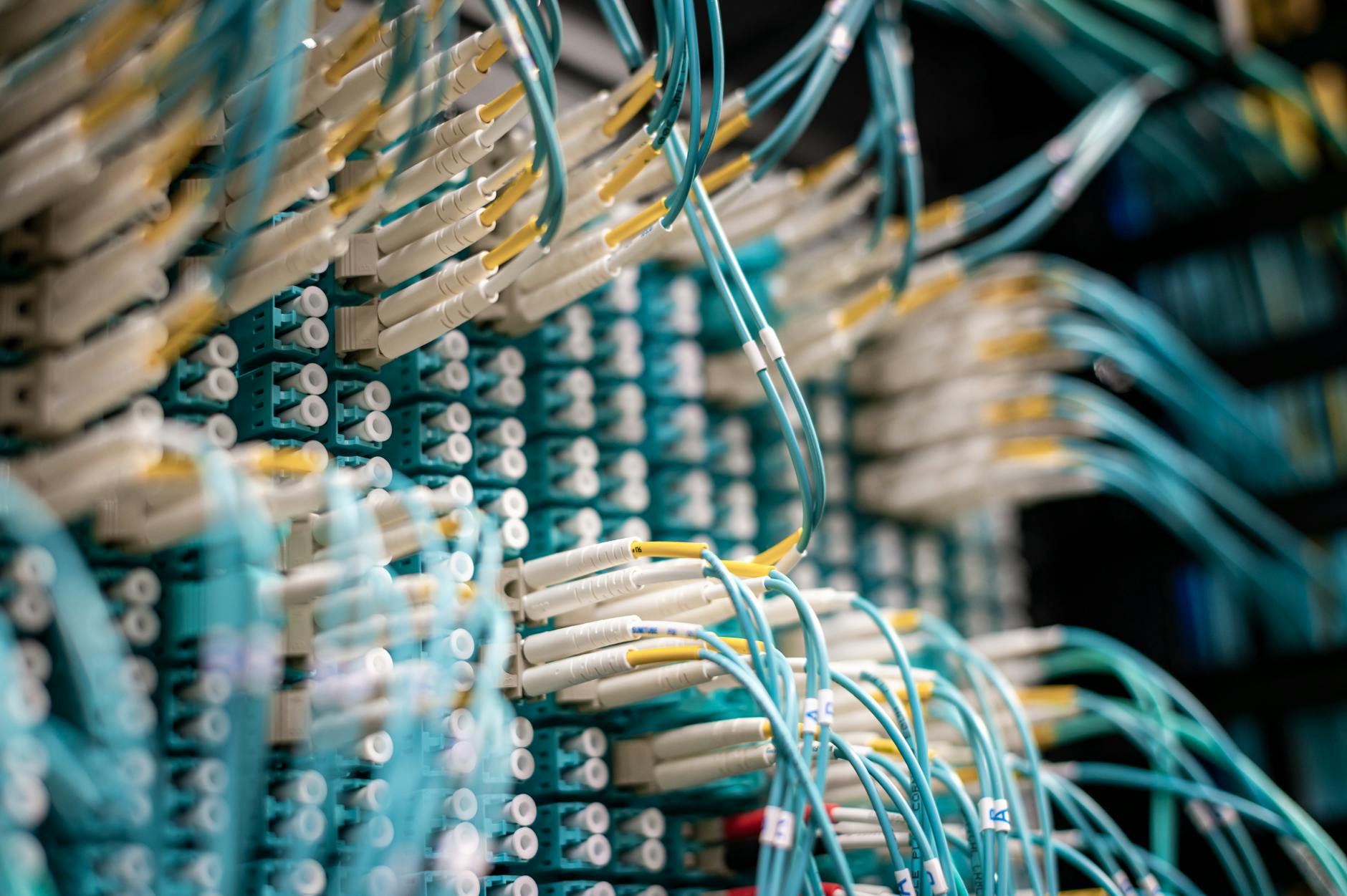
The Federal Communications Commission has launched a formal investigation into multiple major internet service providers following widespread outages that disrupted connectivity for approximately 8 million users across 14 states. The probe marks one of the most significant regulatory actions targeting ISP infrastructure reliability in recent years, with potential implications for how carriers design, maintain, and report on their networks.
The Scope of the Disruption
The outages, which occurred over a 72-hour period, affected both residential and business customers, forcing school closures, disrupting healthcare services, and halting operations at thousands of small businesses. Unlike typical localized service interruptions, these failures revealed systemic weaknesses in how fiber networks are architected and maintained.
According to preliminary reports, the cascading failures began when a fiber cut in the Midwest triggered automatic failover systems that were either improperly configured or lacked sufficient backup capacity. As traffic rerouted through alternative pathways, those secondary routes became overwhelmed, creating a domino effect that propagated across regional networks.
The incident has raised serious questions about internet reliability at a time when connectivity has become essential infrastructure, comparable to electricity and water service. Remote work, telehealth, online education, and digital commerce all ground to a halt in affected areas, underscoring the economic and social costs of network failures.
FCC Investigation Takes Center Stage

The FCC investigation will examine whether the affected ISPs violated network reliability standards and whether current regulations adequately address modern infrastructure vulnerabilities. Commissioner Jessica Rosenworcel emphasized that “Americans deserve internet service they can count on, especially as our economy and daily lives increasingly depend on reliable connectivity.”
The investigation will focus on several key areas:
**Network Architecture and Redundancy**: Regulators are scrutinizing whether ISPs maintained adequate backup systems and diverse routing paths to prevent single points of failure from cascading into widespread outages.
**Maintenance Practices**: The probe will examine whether carriers followed industry best practices for infrastructure maintenance, including regular testing of failover systems and timely replacement of aging equipment.
**Incident Response**: The FCC is evaluating how quickly providers identified problems, communicated with customers, and restored service. Several consumer advocacy groups have complained that affected ISPs provided inadequate or misleading information during the outages.
**Reporting Requirements**: Current rules may not require sufficiently detailed or timely reporting of network failures, leaving regulators and the public without clear visibility into infrastructure vulnerabilities.
Infrastructure Vulnerabilities Exposed
The fiber network outages have illuminated several structural weaknesses in how ISPs build and operate their networks. Industry analysts point to decades of underinvestment in network redundancy, particularly in rural and suburban markets where competitive pressures are lower.
Many fiber networks were designed with cost optimization as the primary consideration, sometimes at the expense of resilience. While urban cores often benefit from multiple diverse fiber routes, suburban and rural areas frequently rely on single fiber paths with inadequate backup options.
The incident also highlighted the risks of automated network management systems. While automation can improve efficiency and response times, improperly configured systems can amplify rather than contain failures. In this case, automatic traffic rerouting appears to have overwhelmed backup capacity that existed on paper but proved insufficient under real-world conditions.
Potential Regulatory Outcomes
The FCC investigation could lead to significant changes in how ISP infrastructure is regulated and monitored. Policy analysts anticipate several possible outcomes:
**Enhanced Redundancy Requirements**: The Commission may establish minimum standards for network redundancy, requiring ISPs to maintain diverse routing paths and backup capacity sufficient to handle specified failure scenarios.
**Improved Monitoring and Reporting**: New rules could mandate real-time reporting of significant outages and require carriers to maintain detailed records of network architecture, maintenance activities, and incident response procedures.
**Financial Penalties**: If the investigation finds that ISPs violated existing regulations or failed to meet reasonable care standards, substantial fines could follow. The FCC has authority to impose penalties of up to $2 million per violation.
**Infrastructure Investment Mandates**: Regulators might require carriers to develop and implement multi-year infrastructure improvement plans, particularly in areas where single points of failure pose unacceptable risks.
Industry Response and Consumer Implications
The major ISPs under investigation have pledged cooperation with regulators while defending their infrastructure investments and maintenance practices. Several providers have announced accelerated network upgrade programs, though consumer advocates question whether these initiatives represent genuine commitments or public relations responses.
For consumers and businesses, the outages serve as a stark reminder of internet reliability risks. Organizations that depend on connectivity are reassessing their backup strategies, including secondary internet connections from different providers using diverse physical infrastructure.
The investigation also raises questions about the state of America’s digital infrastructure. Despite billions in federal broadband investment, these outages suggest that reliability and resilience have not kept pace with expanding coverage and increasing speeds.
Looking Ahead
As the FCC investigation proceeds, the telecommunications industry faces a potential inflection point. The outcome could reshape how carriers approach network design, maintenance, and transparency for years to come.
The investigation’s findings will likely influence not only enforcement actions against specific providers but also broader policy debates about infrastructure regulation, universal service obligations, and the true cost of reliable connectivity in an increasingly digital society. Whether this moment leads to meaningful improvements in internet reliability remains to be seen, but the pressure on ISPs and policymakers to act has never been greater.
Send free SMS worldwide
Reach any mobile number in 200+ countries from your browser. No signup, no app.
Send a free SMS →