Columbus City Council Approves $45M Infrastructure Bond for East Side Road Repairs
For thousands of Columbus residents who navigate pothole-riddled streets and crumbling pavement on the city’s east side, relief is on the horizon. The Columbus City Council has unanimously approved a $45 million infrastructure bond dedicated exclusively to comprehensive road repairs across eastern neighborhoods—marking one of the largest single investments in local transportation infrastructure in recent years.

Breaking Down the $45 Million Investment
The infrastructure bond represents a strategic approach to addressing years of deferred maintenance on east side roadways. City council members emphasized that this funding package focuses on complete street reconstruction rather than temporary patches, ensuring longer-lasting results for taxpayers.
The allocation breaks down into several key categories: approximately 60% will fund full-depth pavement reconstruction on major arterial roads, 25% will address residential street resurfacing, 10% will cover drainage improvements to prevent future deterioration, and the remaining 5% will support traffic management during construction phases.
This comprehensive approach reflects input from neighborhood associations and traffic engineers who identified the interconnected nature of the east side’s infrastructure challenges.
Neighborhood-by-Neighborhood Funding Allocation
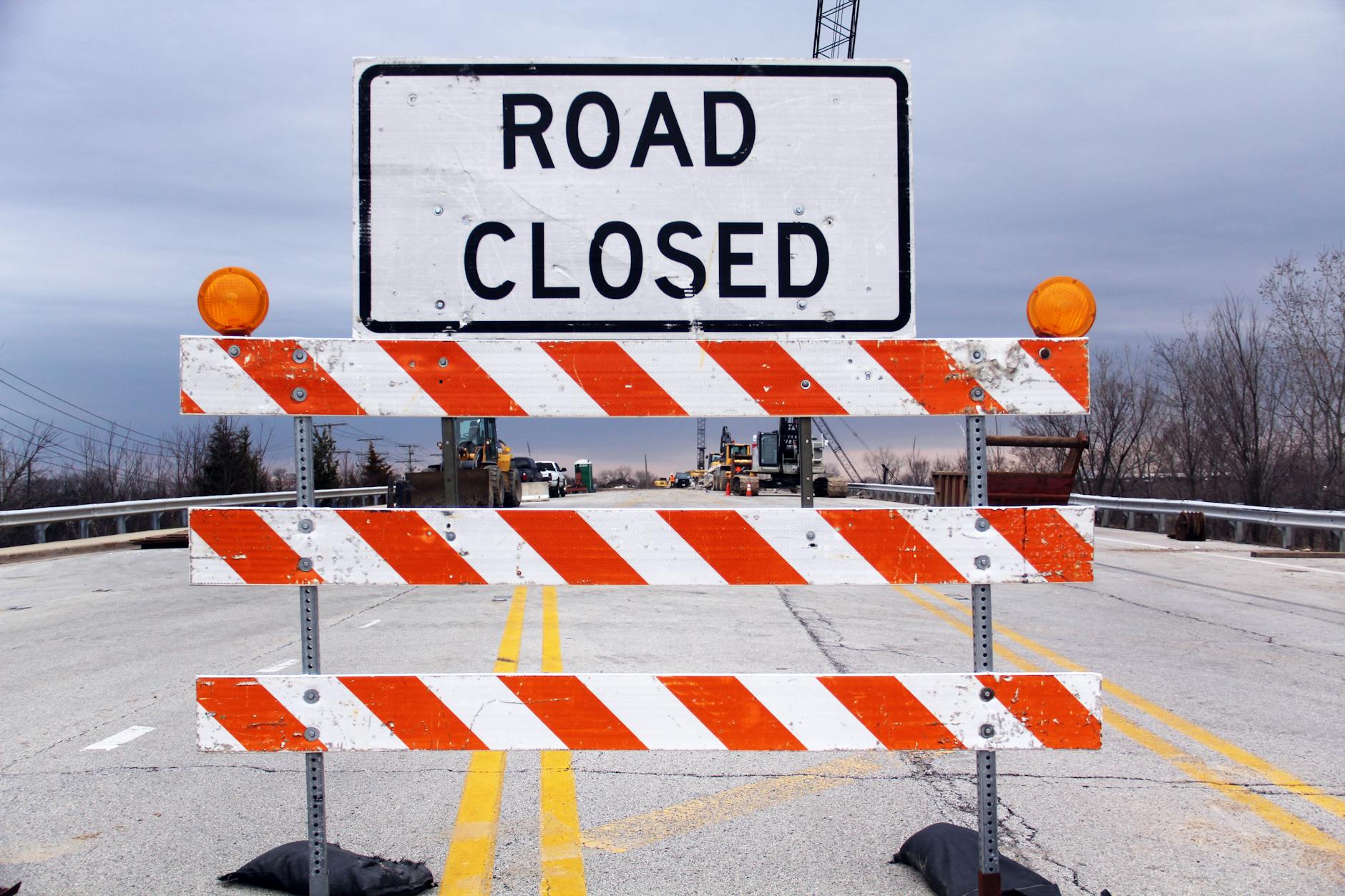
The city council worked with transportation planners to distribute funding based on road condition assessments and traffic volume data. The $45 million will be allocated across east side neighborhoods as follows:
**Eastland Area**: $12 million for major corridor reconstruction along key commercial routes and connecting residential streets.
**Bexley Border Communities**: $9 million focusing on heavily-traveled commuter routes that serve as primary access points to downtown Columbus.
**Whitehall Adjacent Neighborhoods**: $8 million targeting residential streets with the most severe pavement failure ratings.
**Far East Columbus**: $11 million for arterial road improvements and intersection upgrades on rapidly developing corridors.
**Reynoldsburg Road Corridor**: $5 million dedicated to this critical east-west connector serving multiple neighborhoods.
Each allocation was determined through a scoring system that weighted factors including pavement condition index ratings, traffic counts, proximity to schools and emergency services, and the number of years since last major maintenance.
Construction Timeline and Phased Approach
Road repairs under this infrastructure bond will roll out in carefully planned phases to minimize disruption while maximizing efficiency. The city council approved a three-year construction timeline with specific seasonal considerations.
**Phase One (Spring-Fall 2025)**: Initial work will focus on arterial roads in the Eastland Area and Reynoldsburg Road Corridor. These high-priority routes will be tackled first to provide immediate relief to the largest number of commuters.
**Phase Two (Spring-Fall 2026)**: Residential street reconstruction will begin in Whitehall Adjacent Neighborhoods and Bexley Border Communities, with work scheduled during optimal weather conditions.
**Phase Three (Spring-Fall 2027)**: The final phase addresses remaining residential streets in Far East Columbus and completes any punch-list items from earlier phases.
Winter months will be reserved for planning, utility coordination, and preparation for the next construction season. This approach acknowledges Ohio’s climate realities and ensures quality workmanship that won’t be compromised by cold-weather paving.
Traffic Impact and Detour Planning
Columbus transportation officials acknowledge that significant road repairs inevitably create temporary inconveniences. However, the city council mandated comprehensive traffic management plans to minimize disruption for residents and commuters.
Each project will include clearly marked detour routes, with signage installed at least one week before construction begins. Major arterial work will be scheduled to avoid peak commuting hours whenever possible, with some overnight and weekend work planned for the busiest corridors.
The city will launch a dedicated website and mobile app providing real-time construction updates, interactive detour maps, and estimated project completion dates. Residents can sign up for text alerts specific to their neighborhood to receive advance notice of road closures affecting their daily routes.
Local businesses along construction corridors will receive special support, including “Open During Construction” signage programs and temporary parking accommodations to maintain customer access.
Community Input and Ongoing Communication
The infrastructure bond approval followed months of community meetings where east side residents voiced frustrations about deteriorating road conditions. City council members credited this public engagement with shaping both the funding amount and the project prioritization process.
Neighborhood associations will have designated liaisons within the city’s transportation department to address concerns as construction progresses. Quarterly public meetings will provide updates on spending, timeline adherence, and any necessary adjustments to the work plan.
Long-Term Infrastructure Planning
While this $45 million infrastructure bond addresses immediate needs, Columbus city council members emphasized that sustainable road maintenance requires ongoing investment. The approval of this bond package includes provisions for establishing a dedicated street maintenance fund to prevent future deterioration and reduce the need for costly emergency repairs.
The success of this east side initiative may serve as a model for similar infrastructure investments in other Columbus neighborhoods facing comparable challenges. City officials indicated that comprehensive assessments are already underway for north and south side corridors.
What It Means for Residents
The Columbus City Council’s approval of this $45 million infrastructure bond signals a commitment to addressing long-neglected road repairs on the east side. For residents who have endured years of deteriorating pavement, the detailed funding allocations, realistic construction timelines, and thoughtful traffic management plans offer tangible improvements to daily commutes and neighborhood connectivity.
As construction begins in 2025, the measure of success will be whether this infrastructure investment delivers lasting improvements that justify taxpayer confidence. With transparent communication, community engagement, and professional project management, Columbus has an opportunity to demonstrate that strategic infrastructure spending can meaningfully improve quality of life for thousands of residents who depend on safe, well-maintained roads.
Send free SMS worldwide
Reach any mobile number in 200+ countries from your browser. No signup, no app.
Send a free SMS →